2026
WILD CITY
Entrant
Chongqing Inspiration Garden Brand Management Co., Ltd.
Category
Interior Design - Restaurants & Bars
Client's Name
-
Country / Region
China
Gallery




About The Entry
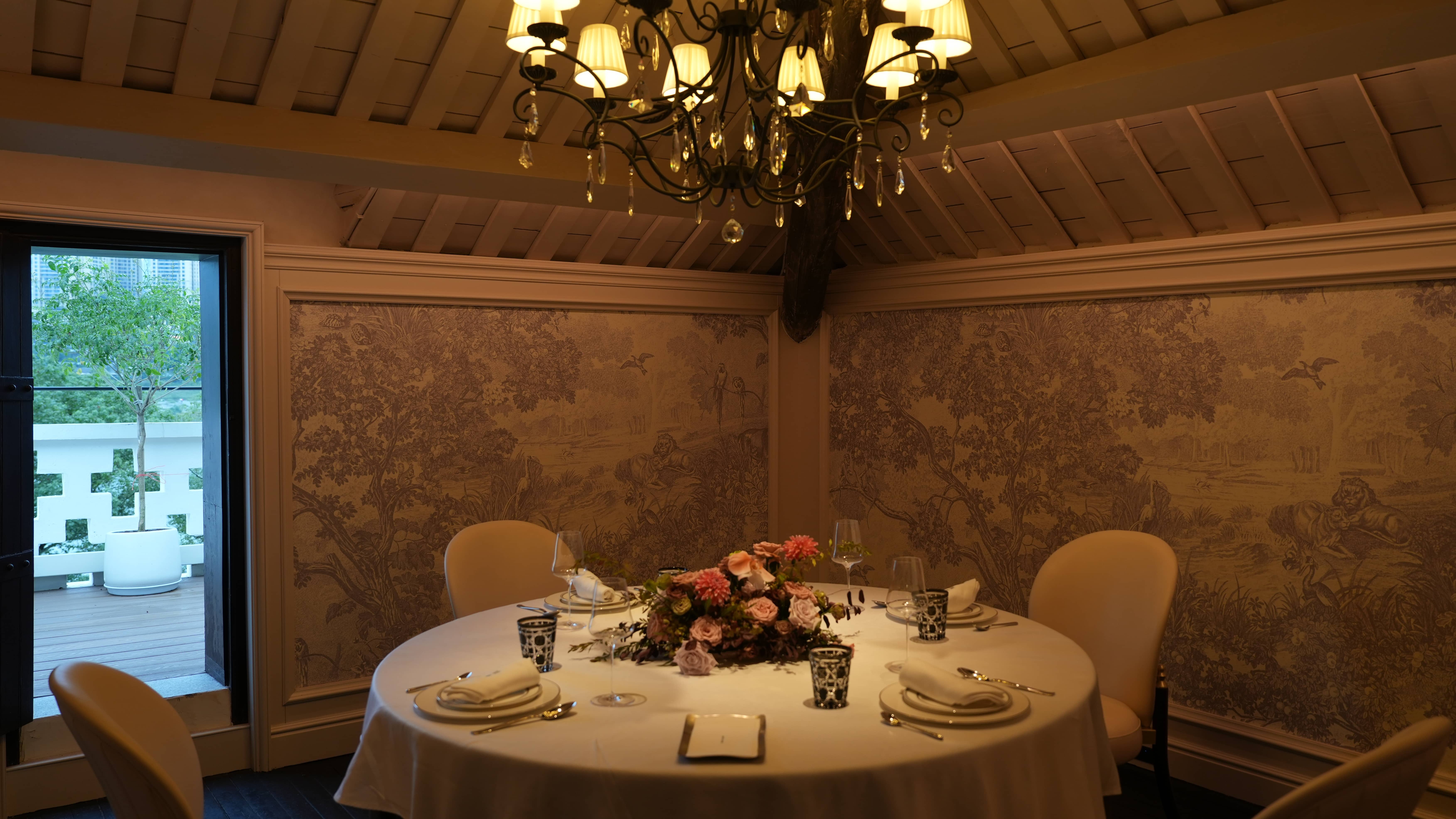
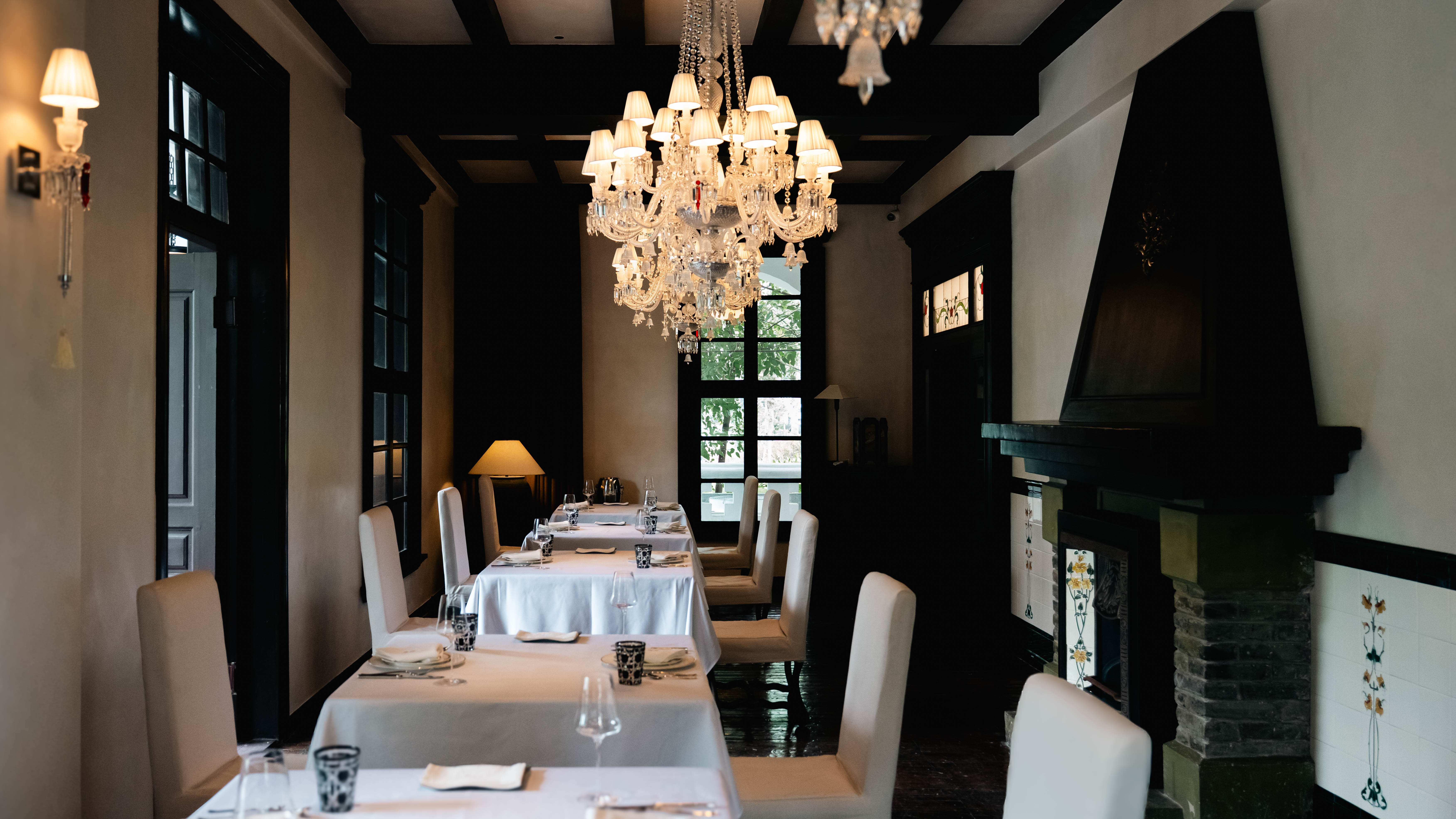
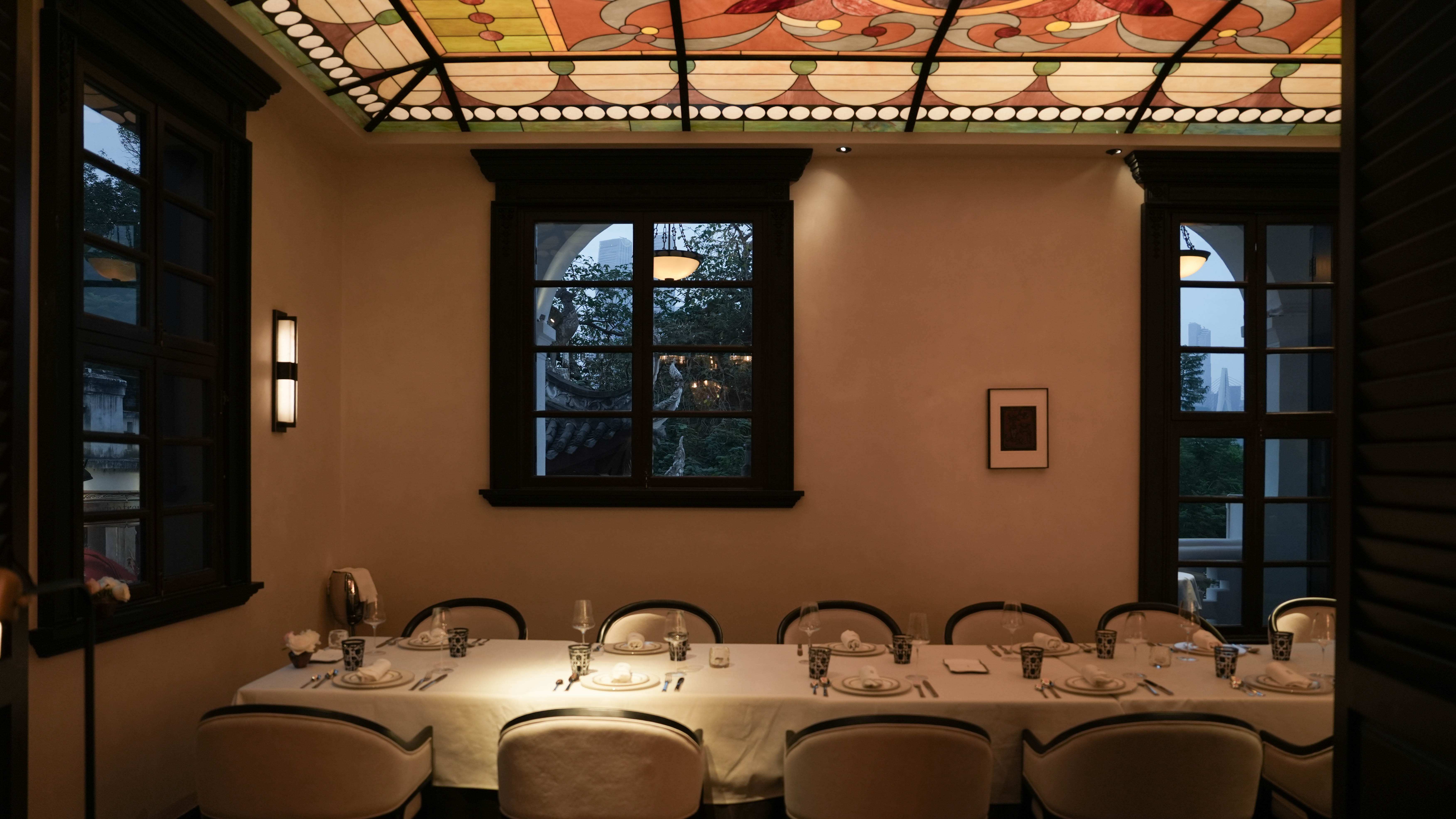
The French Naval Barracks is an integral component of the "Former Sites of Allied Diplomatic Missions in Chongqing," a Major Historical and Cultural Site Protected at the National Level. Situated at the intersection of Nanbin Road and Qiantai Road on the south bank of the Yangtze River, it stands directly opposite prominent Chongqing landmarks such as Chaotianmen and Jiangbeizui.
The architecture is dignified, elegant, and gracefully restrained. Its site selection and spatial layout thoroughly integrate traditional Chinese Feng Shui principles. Internally, it artfully incorporates traditional carvings and stucco reliefs; externally, it seamlessly combines European-style arches and colonnades with traditional Chinese elements—such as triple-tiered hip-and-gable paifang (ceremonial gateways) and grey-brick masonry—forging an exemplary blend of Eastern and Western architectural styles infused with local Chongqing mountainous architectural characteristics. As a rare surviving modern landmark in Chongqing, it vividly illustrates the convergence of Chinese and Western architectural cultures. According to historical records, the complex was built around the 19th century under the auspices of Commander Potel of the French Far East Fleet as a diplomatic and military barracks compound. Like other Western-style buildings in Chongqing from that era, it adopted traditional Chinese architectural motifs while breaking away from local vernacular layouts, further underscoring the integration of Eastern and Western building traditions.
Following its restoration in 2019, the barracks was leased by the Nan'an District Housing Administration to Hongkong Land and subsequently subleased. Today, it primarily accommodates commercial operations such as restaurants, Shu embroidery boutiques, cafés, and antique furniture galleries. More than just a century-old Western-style heritage building, the French Naval Barracks stands as an urban landmark blending historical legacy, architectural aesthetics, and contemporary lifestyle culture.
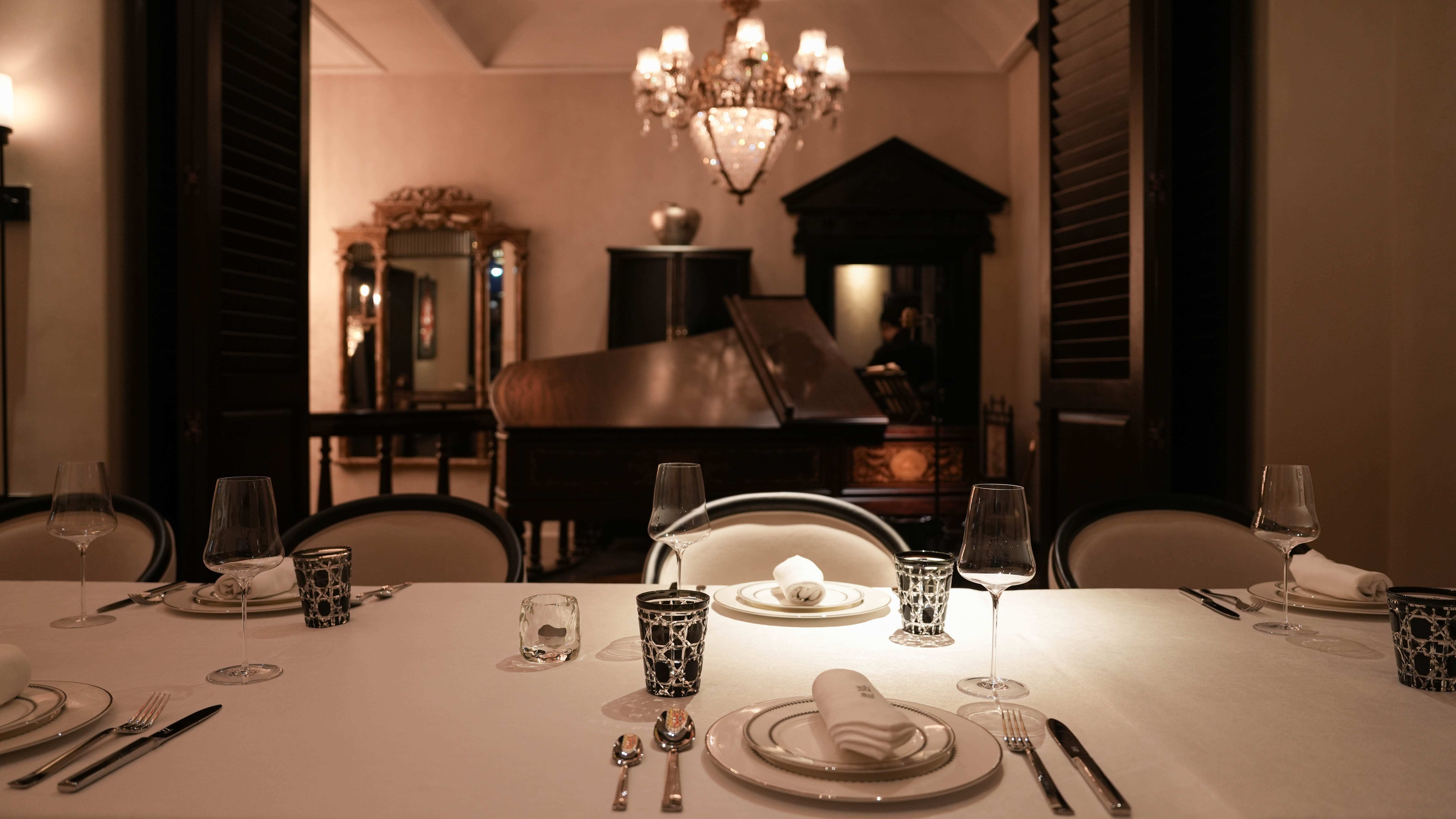
We envision coexisting with this heritage through "inspiration," crafting a unique cultural and artistic salon exclusive to Chongqing. First, through the adaptive reuse of this century-old structure, every visitor will enjoy an immersive "living local museum" experience that seamlessly integrates dining, drinking, and social interaction. Second, the interior will feature exquisite private dining rooms, a Western restaurant, and a café offering premium afternoon tea.
Credits


Entrant
Second Curve Technology (Dongguan) Co., Ltd.
Category
Product Design - Home Appliances