
2025
Exhibition Design for Mojiang Confucian Temple in Yunnan
Entrant
kong cen wei
Category
Interior Design - Exhibits, Pavilions & Exhibitions
Client's Name
-
Country / Region
China
Gallery
About The Entry
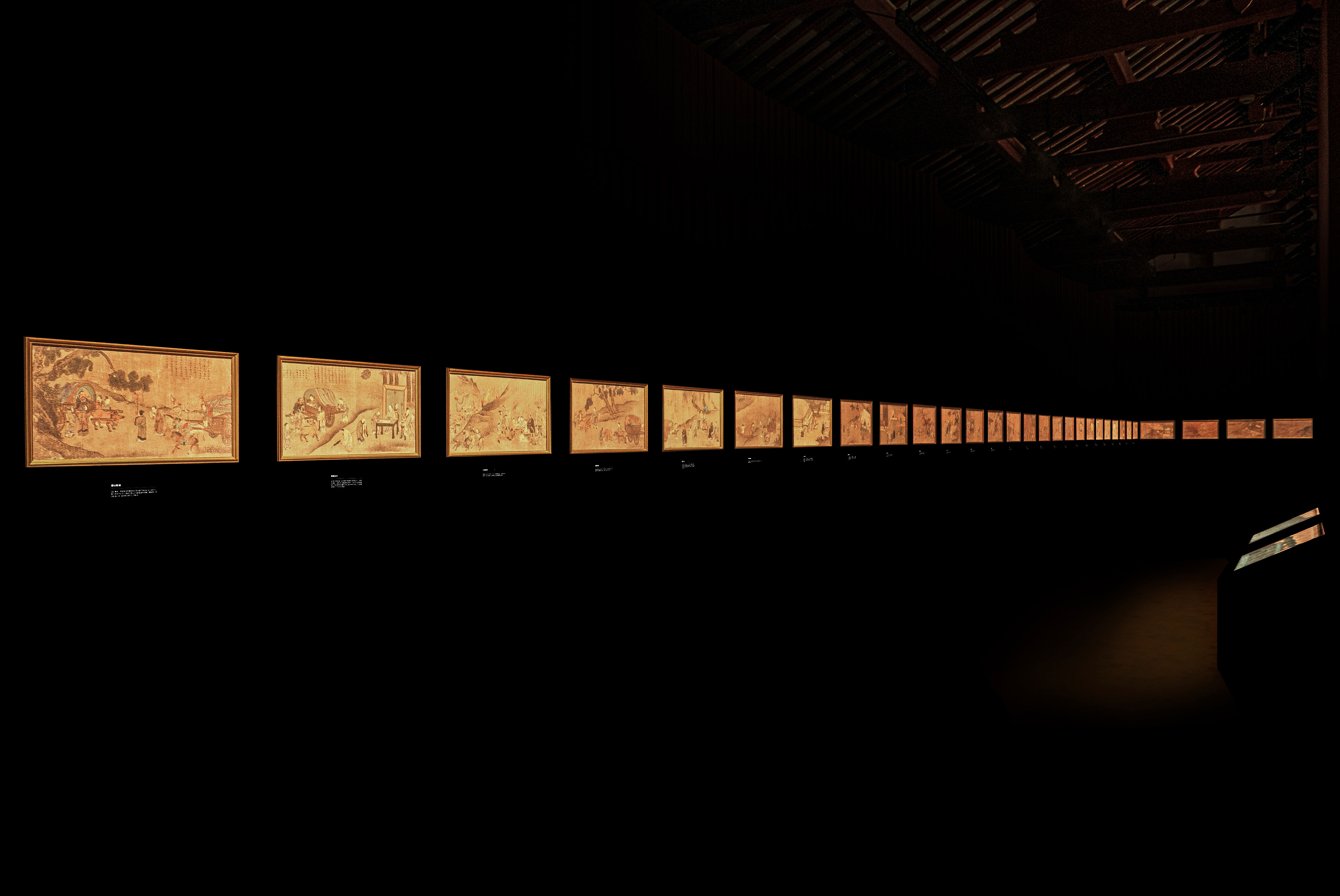
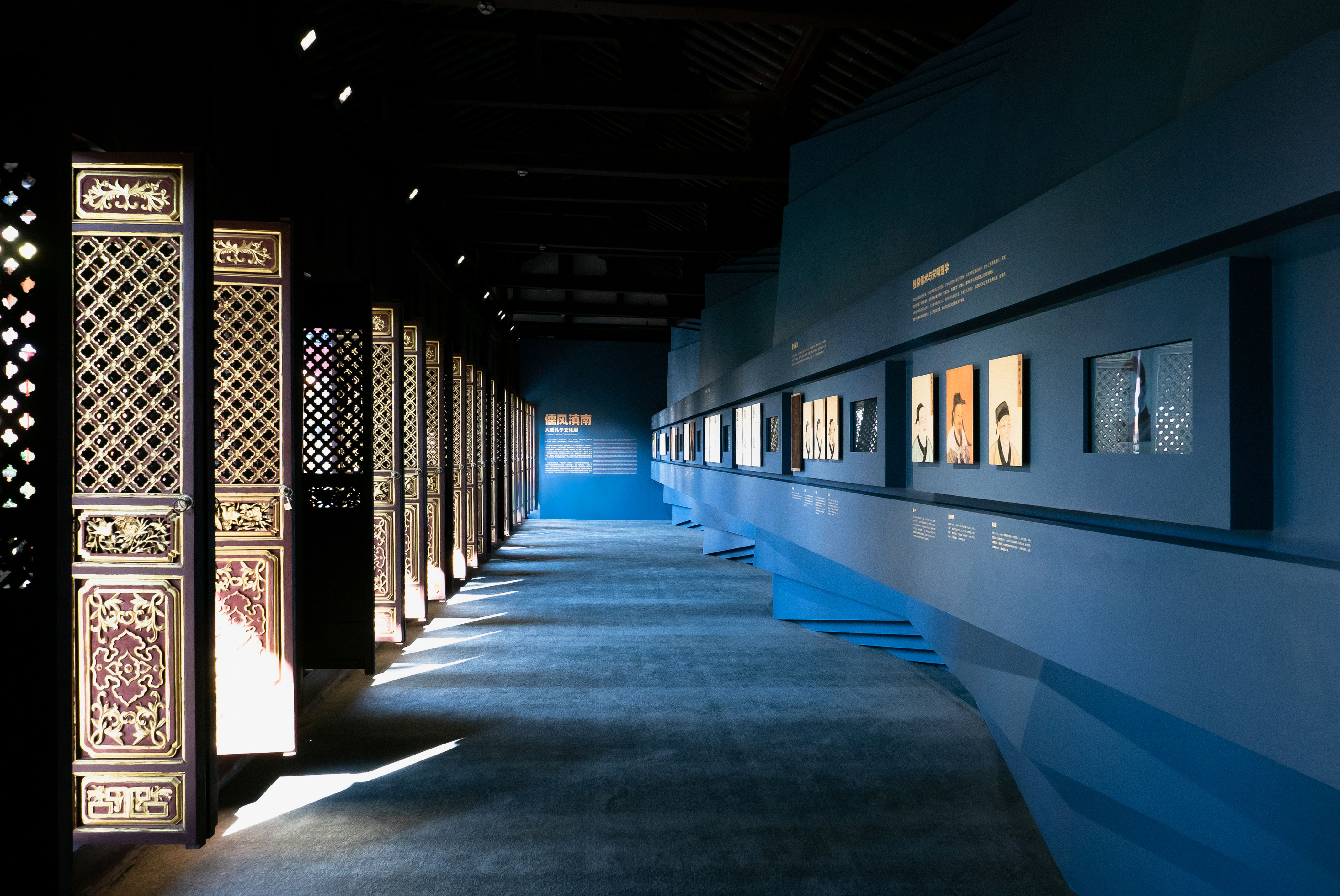
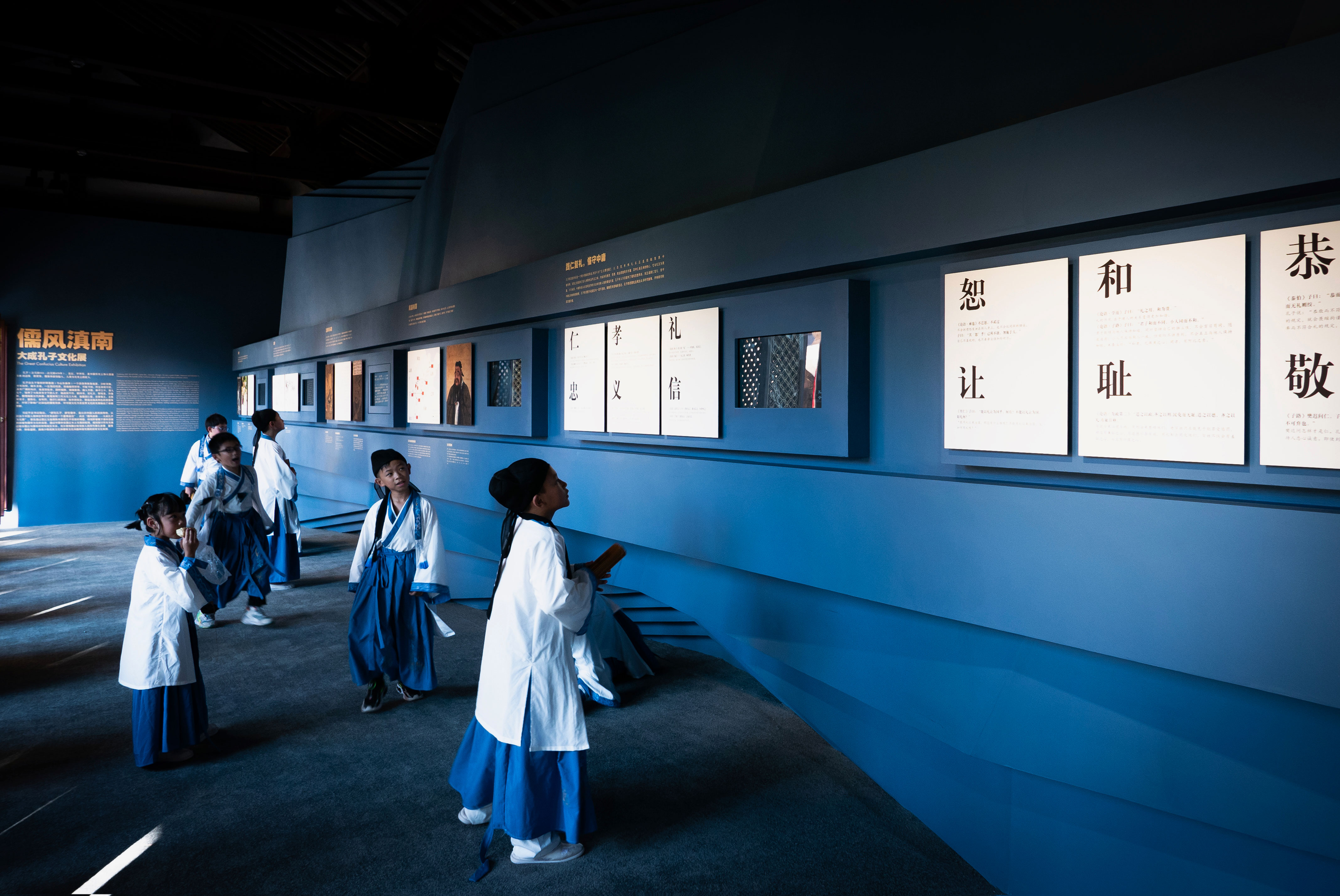
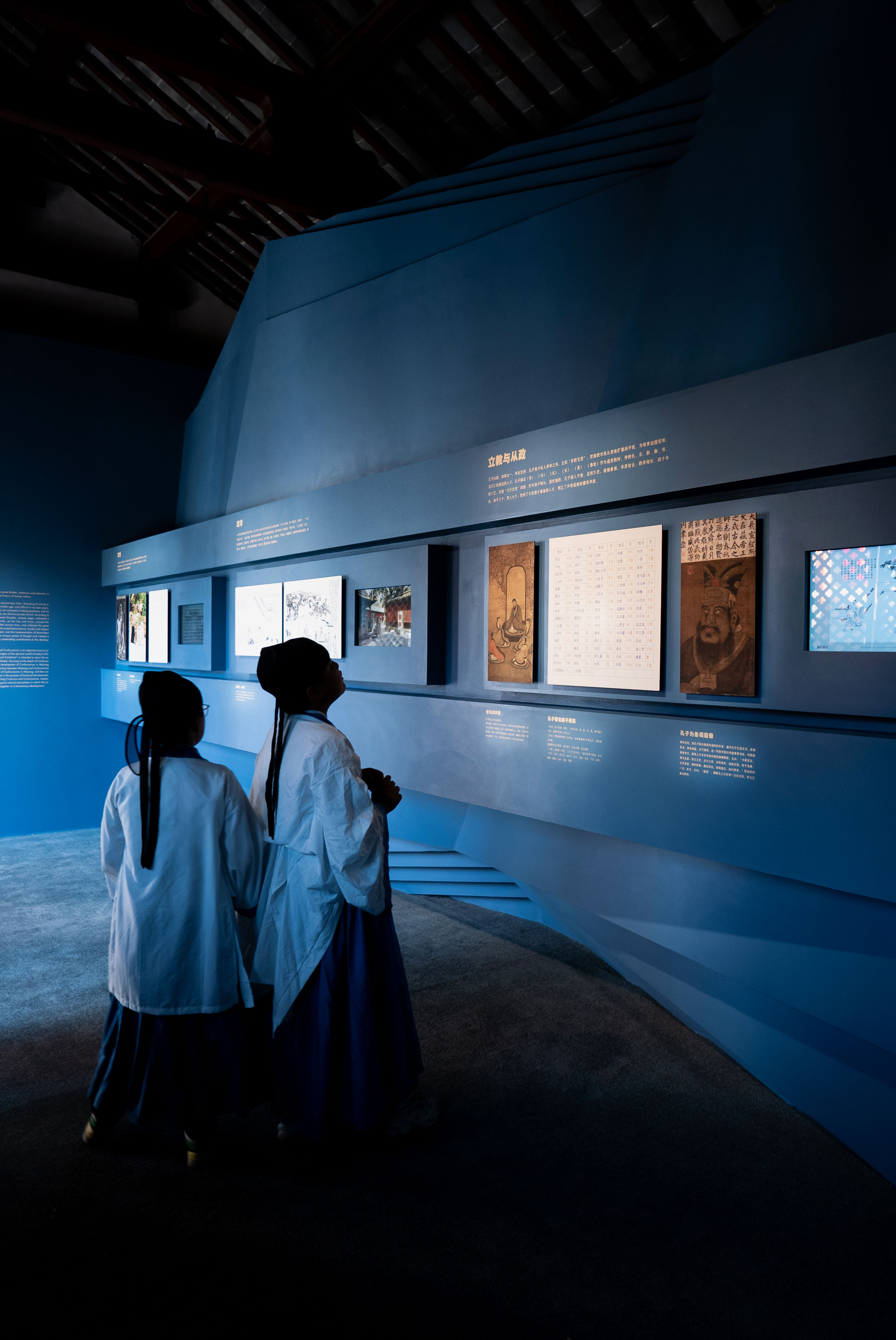
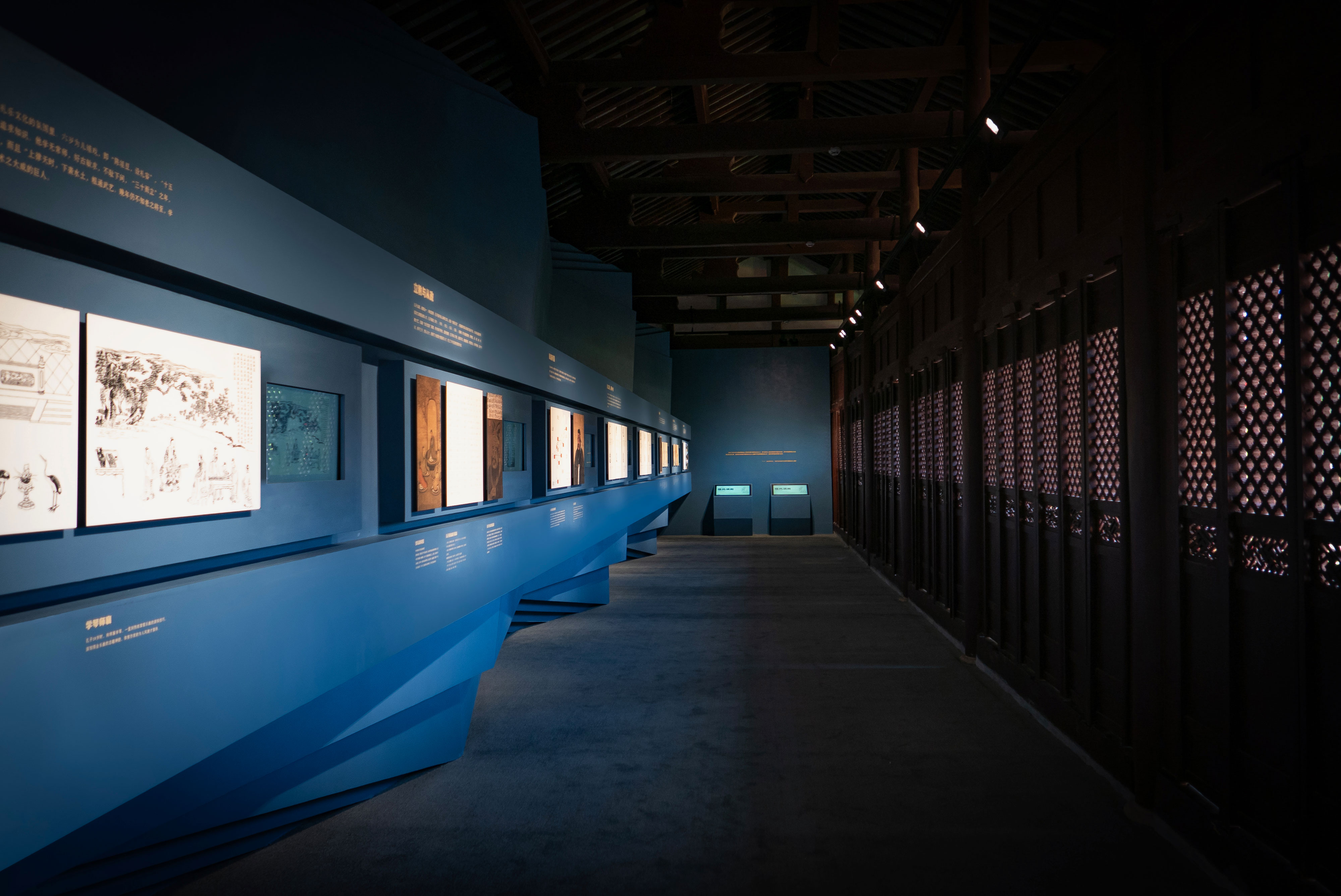
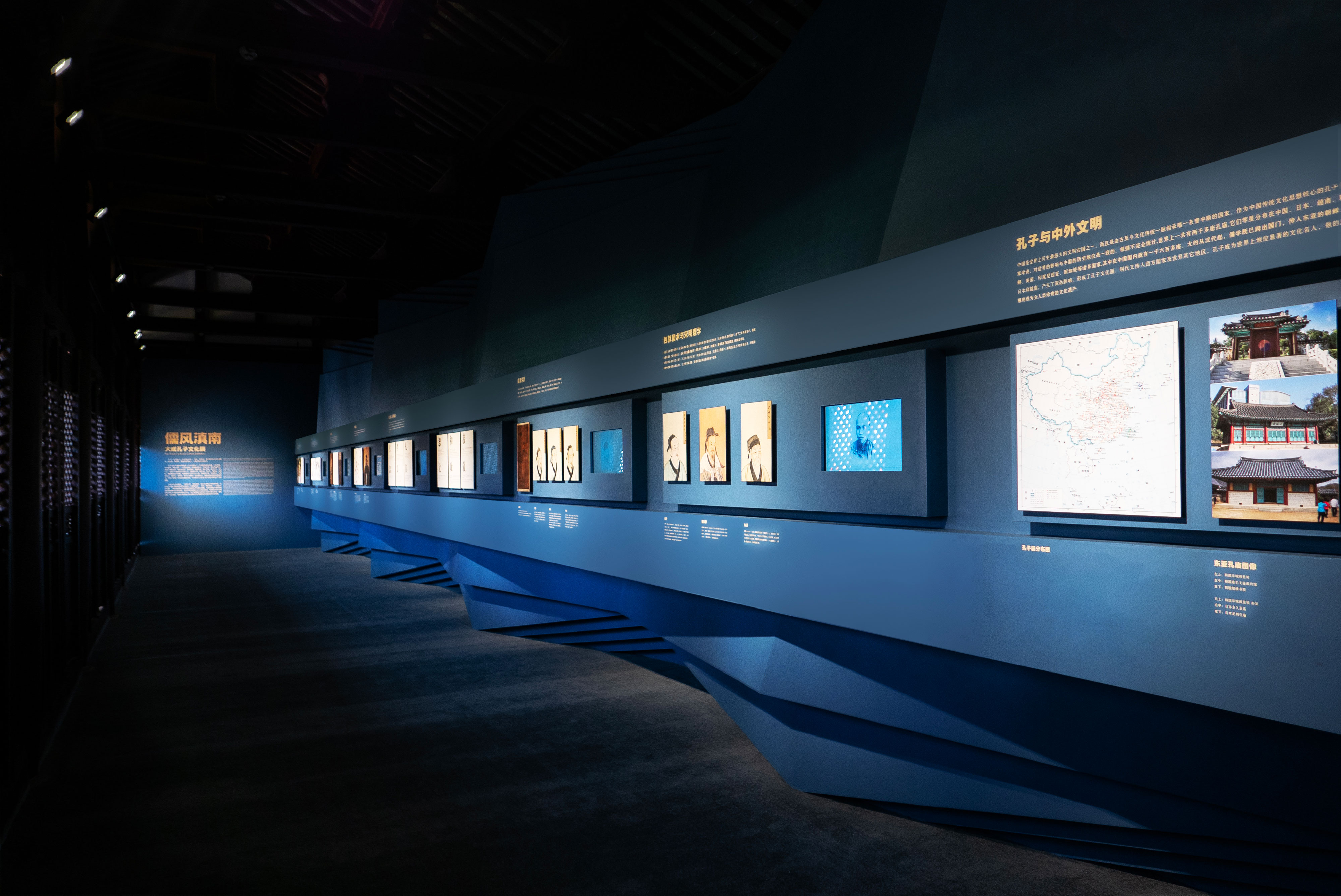
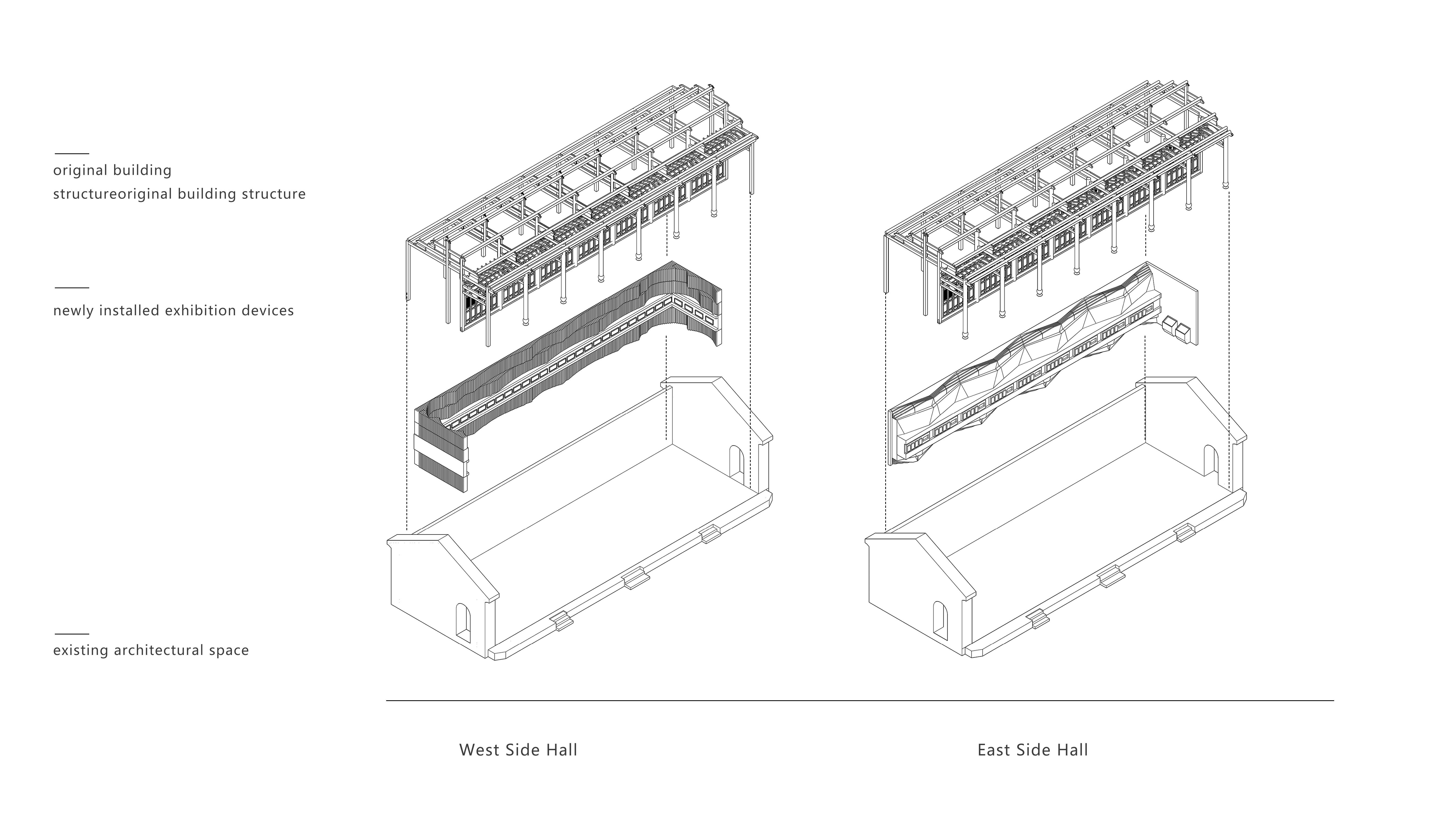
The Mojiang Confucian Temple, located in Mojiang Hani Autonomous County of Pu’er City, Yunnan Province, China, was originally built in the first year of the Daoguang period of the Qing Dynasty (1821). The current exhibition program is developed under the theme “Landscapes of Meaning · Confucian Ideals in Southern Yunnan.” The east wing hall is curated as an exhibition on Confucian culture, while the west wing hall presents the illustrated chronicles of Confucius’ life and teachings.
The exhibition design adopts “landscape imagery” as its core concept. By abstracting and transforming the forms of “water gestures” and “mountain silhouettes,” the design extracts a spatial vocabulary rooted in the natural terrain of Mojiang. This approach not only shapes the spatial framework of the exhibition but also explores the dialogue between the regional landscape and the cultural depth of the Confucian Temple.
The design language emphasizes clarity, restraint, and conceptual abstraction. All spatial interventions are calibrated to echo the temple’s solemn, serene, and timeless atmosphere, ensuring that the exhibition experience resonates with both the historical context and the cultural spirit of the site.
Credits

Entrant
VVdesine Landscape Architecture
Category
Landscape Design - Residential Landscape
Entrant
Beijing Shanhe Jinyuan Art and Design Stock Co., Ltd.
Category
Interior Design - Hospitality

Entrant
Kechang Electric Co., Ltd.
Category
Product Design - Industrial