
2026
Arcadia
Entrant
POKER INTERIOR DESIGN
Category
Interior Design - Residential
Client's Name
-
Country / Region
Taiwan
Gallery




About The Entry
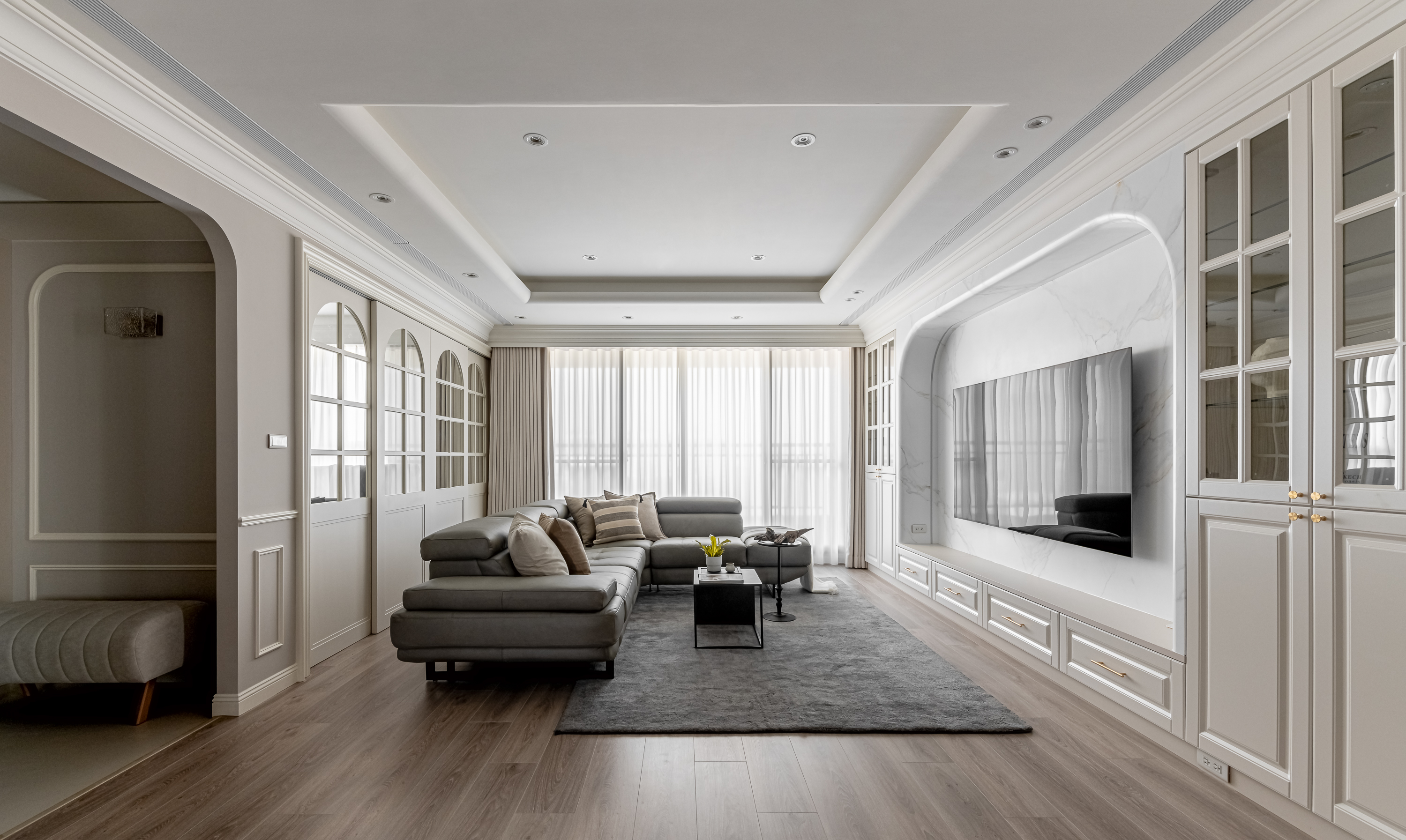
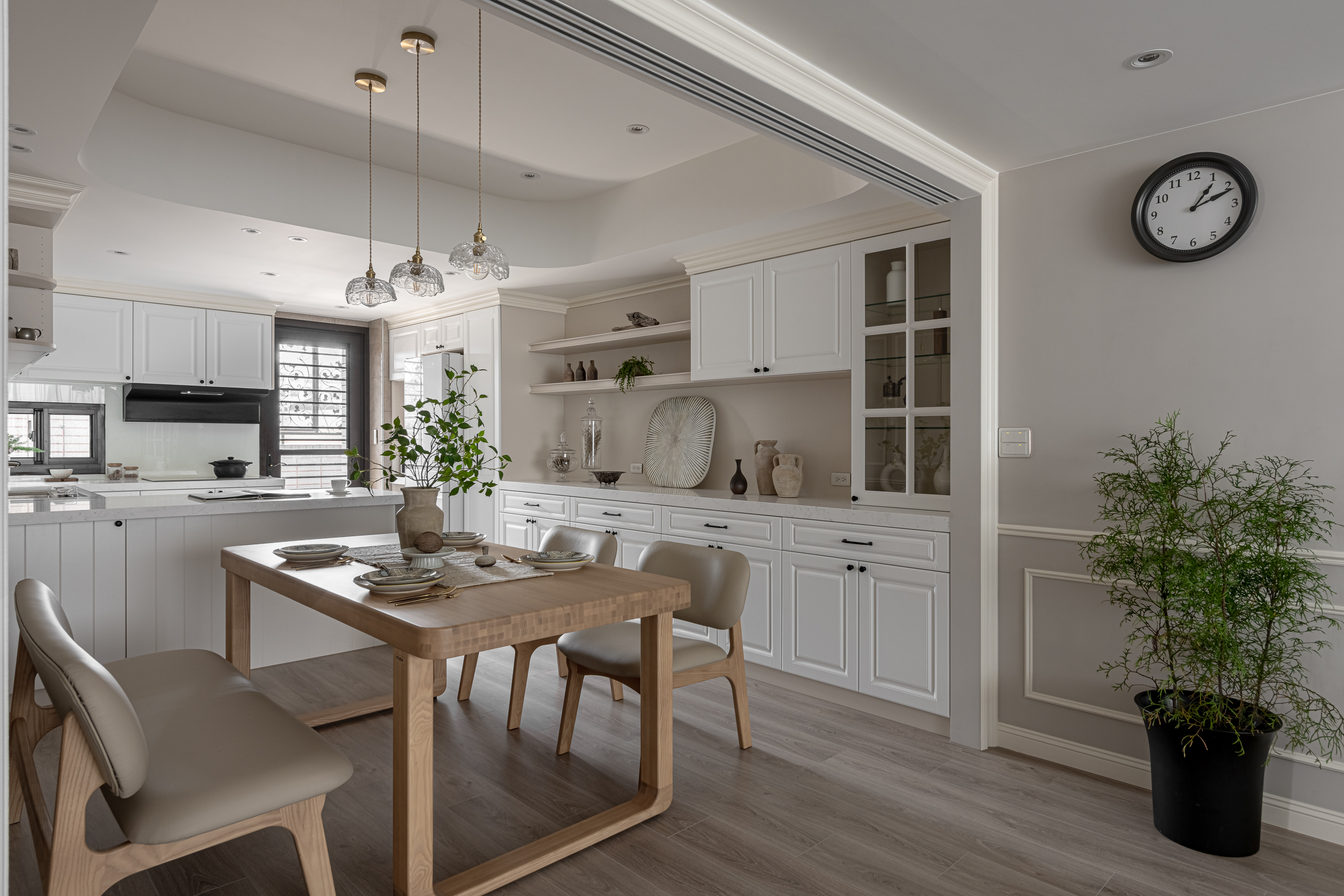
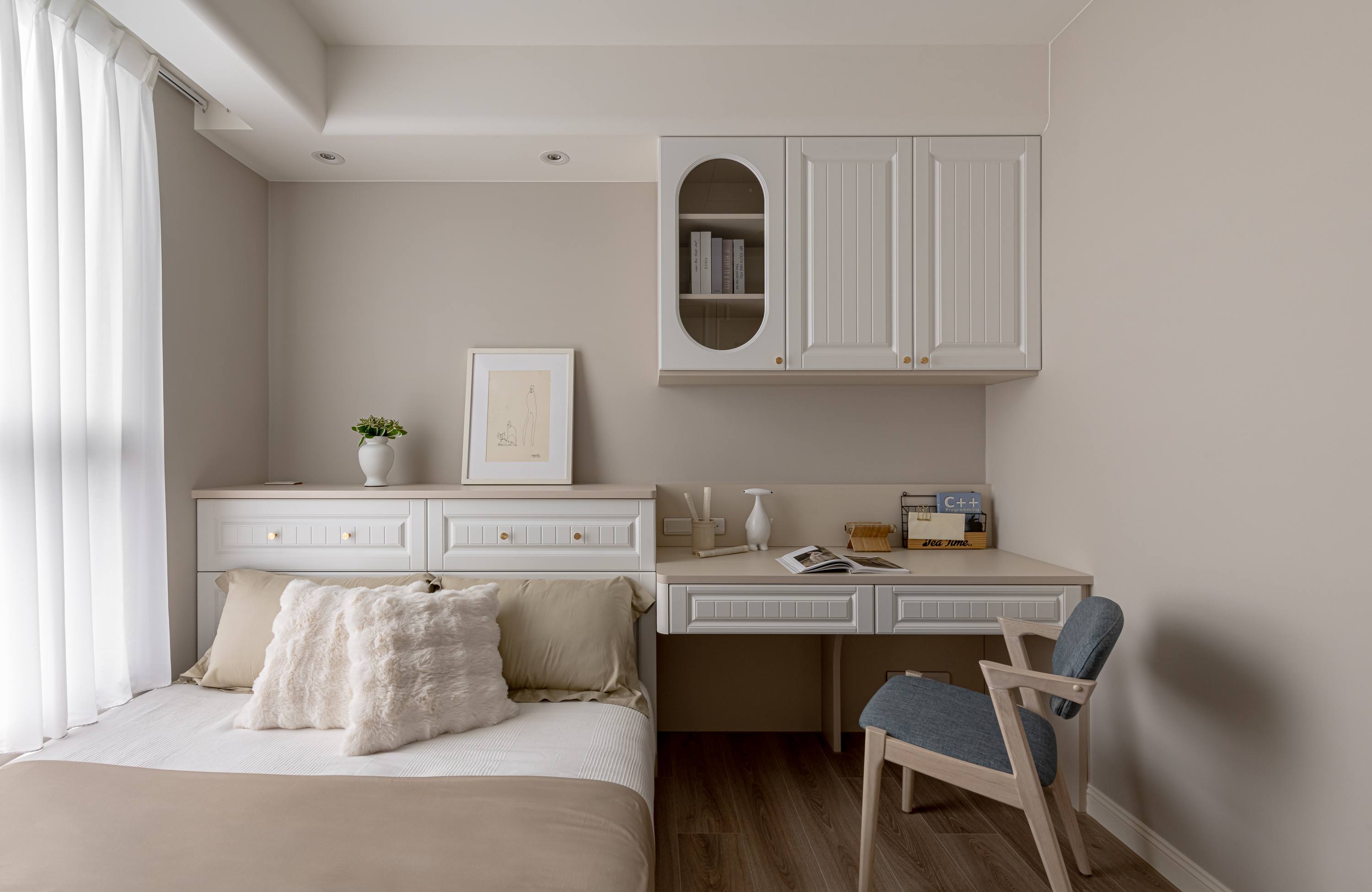
In terms of functional planning, the design emphasizes flexible zoning and integrated functionality, responding to the homeowners’ diverse daily scenarios while balancing openness and practicality through adaptable mechanisms and durable materials. Behind the living room, a raised floor combined with sliding doors transforms the area into an independent multipurpose room, easily accommodating work, play, or overnight guests as needed. In the kitchen, the original partition wall was removed and replaced by an island that defines the space while maintaining visual continuity. Sliding door systems allow the level of openness to be adjusted according to usage habits. Both the countertop and sideboard are finished in quartz stone, offering scratch resistance, stain resistance, and ease of maintenance—enhancing everyday convenience while elevating the overall material quality and refinement of the space.
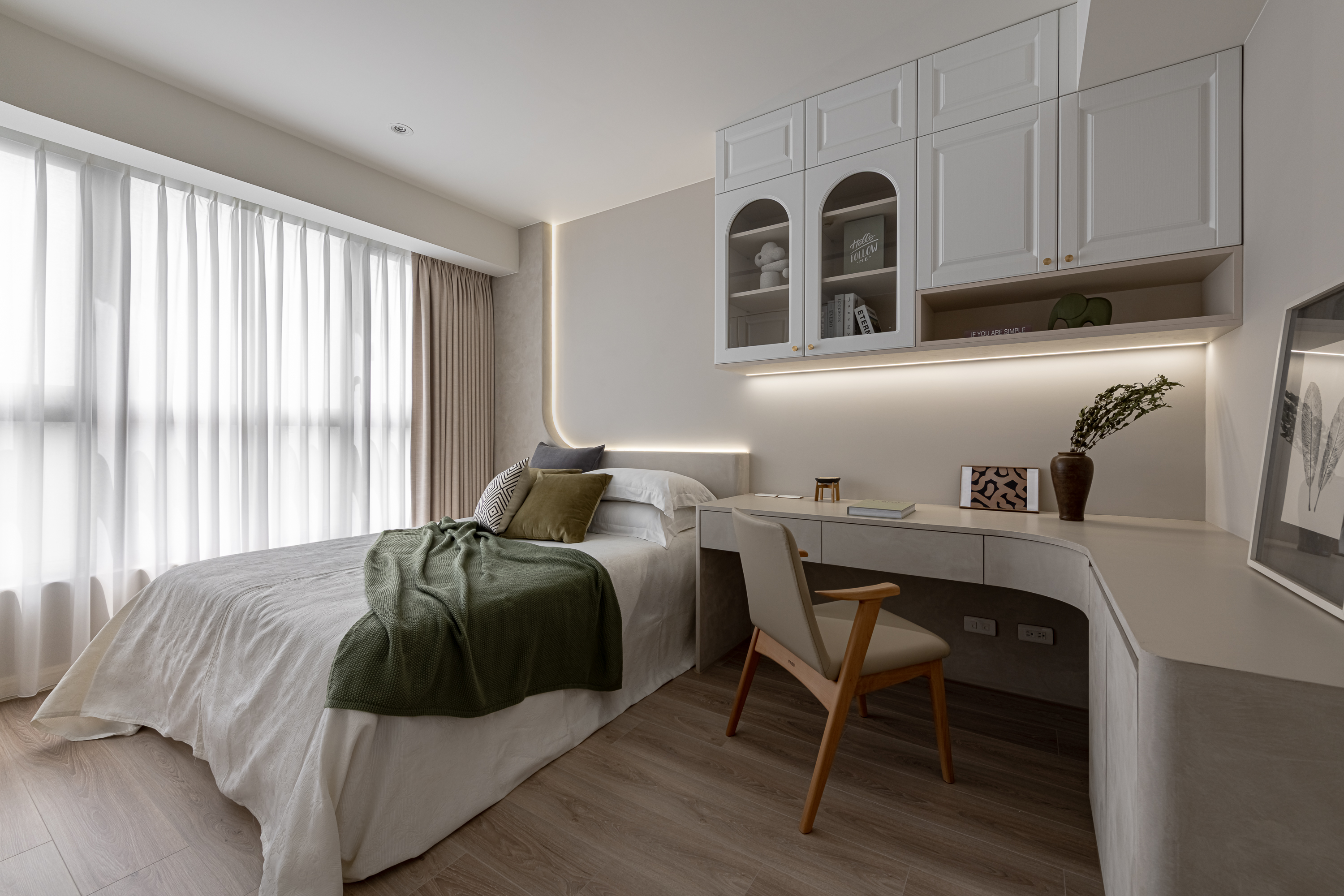
The space is grounded in a palette of soft, light tones, incorporating low-saturation hues such as beige and milky tea to create a warm and translucent residential atmosphere. This restrained color scheme visually expands the space while accentuating the refined details of the molding language. In terms of materiality, wood flooring, marble textures, and microcement are carefully combined to express both tactile richness and long-lasting performance through natural surfaces. The lighting strategy adopts a non-centralized approach, complemented by indirect illumination. Concealed light strips are integrated into arched openings and the main feature wall, allowing light itself to become part of the spatial contouring—shaping gentle, layered shadows that enhance the atmosphere without creating visual pressure.
The project is rooted in the principles of human-centered well-being and sustainable coexistence, integrating non-toxic, low–formaldehyde materials with natural daylight and effective ventilation to create a daily living environment that supports both physical and mental health. In response to the needs of elderly family members, circulation paths are carefully refined to eliminate level changes and sharp corners, while provisions are made for future handrail installation—enhancing residential safety and inclusivity.
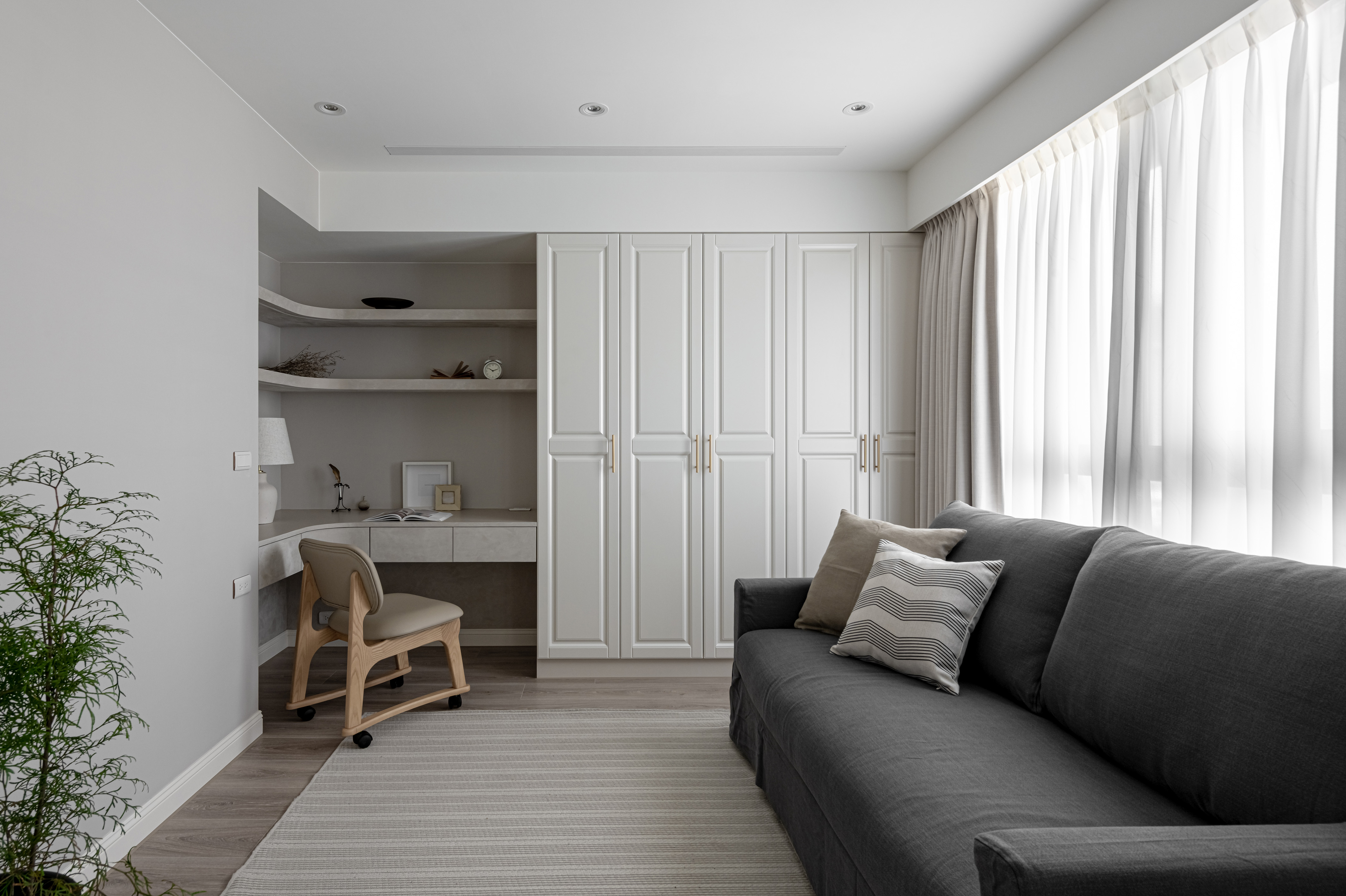
Spatial planning incorporates sliding doors and modular cabinetry, offering flexibility and adaptability to accommodate changes in family structure and usage scenarios.
Credits

Entrant
Jiangsu Xuanzi Jewelry Co., Ltd.
Category
Product Design - Accessories

Entrant
Shanghai Xibubu Technology Co., Ltd.
Category
Product Design - Bedding & Sleep Products