2026
POTIONS
Entrant
WISH INTERIOR DESIGN
Category
Interior Design - Spa / Fitness
Client's Name
-
Country / Region
Taiwan
Gallery
About The Entry
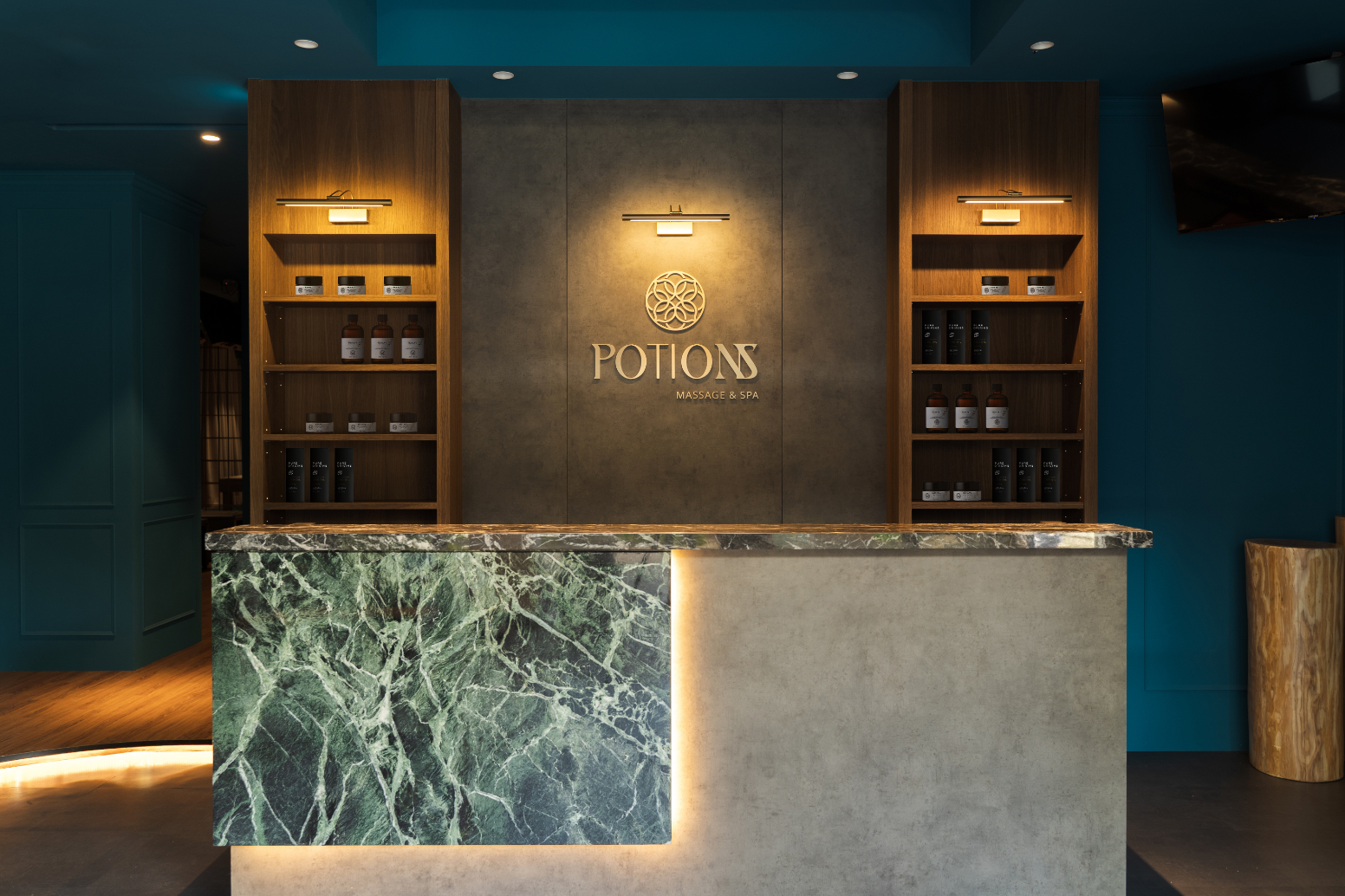
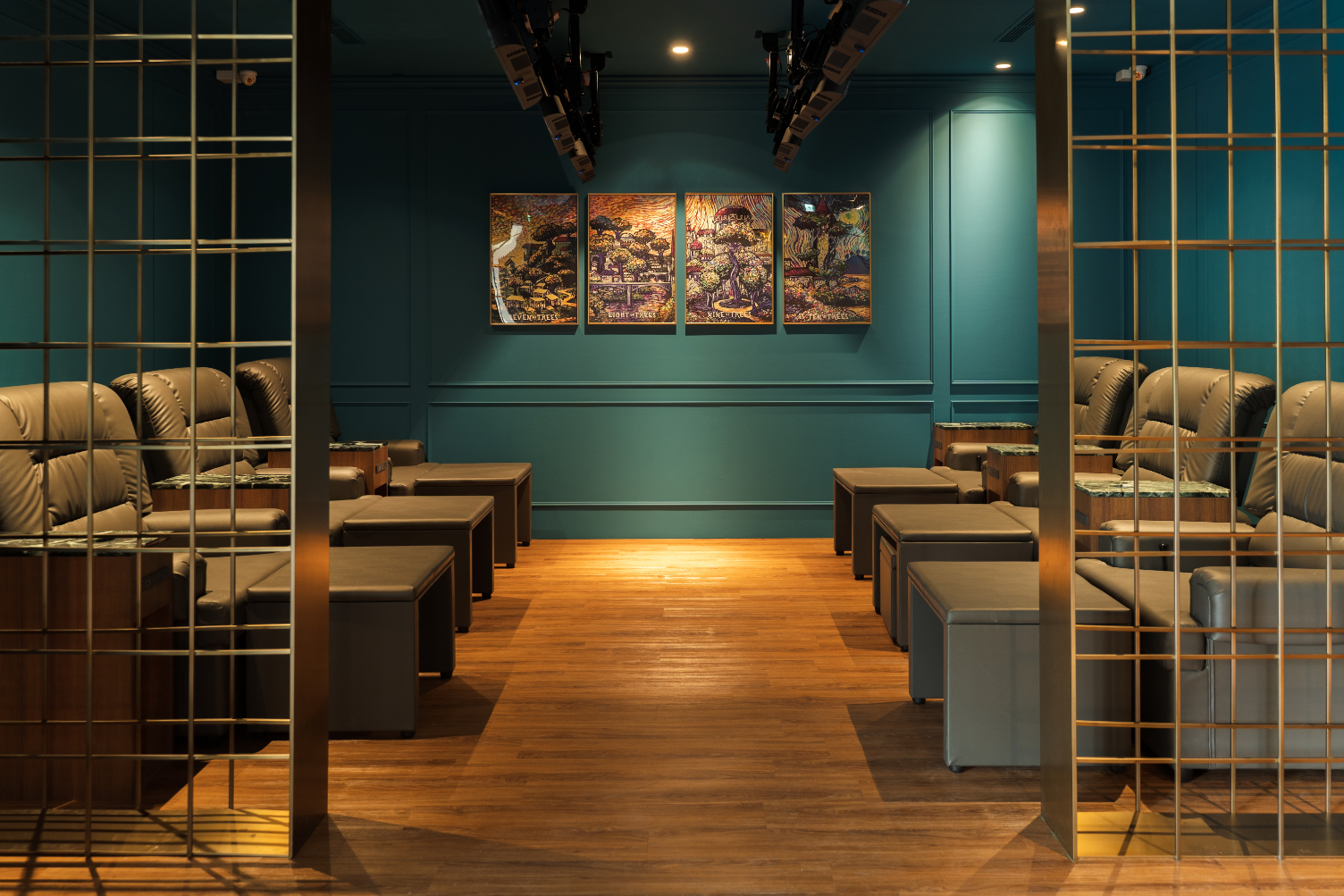
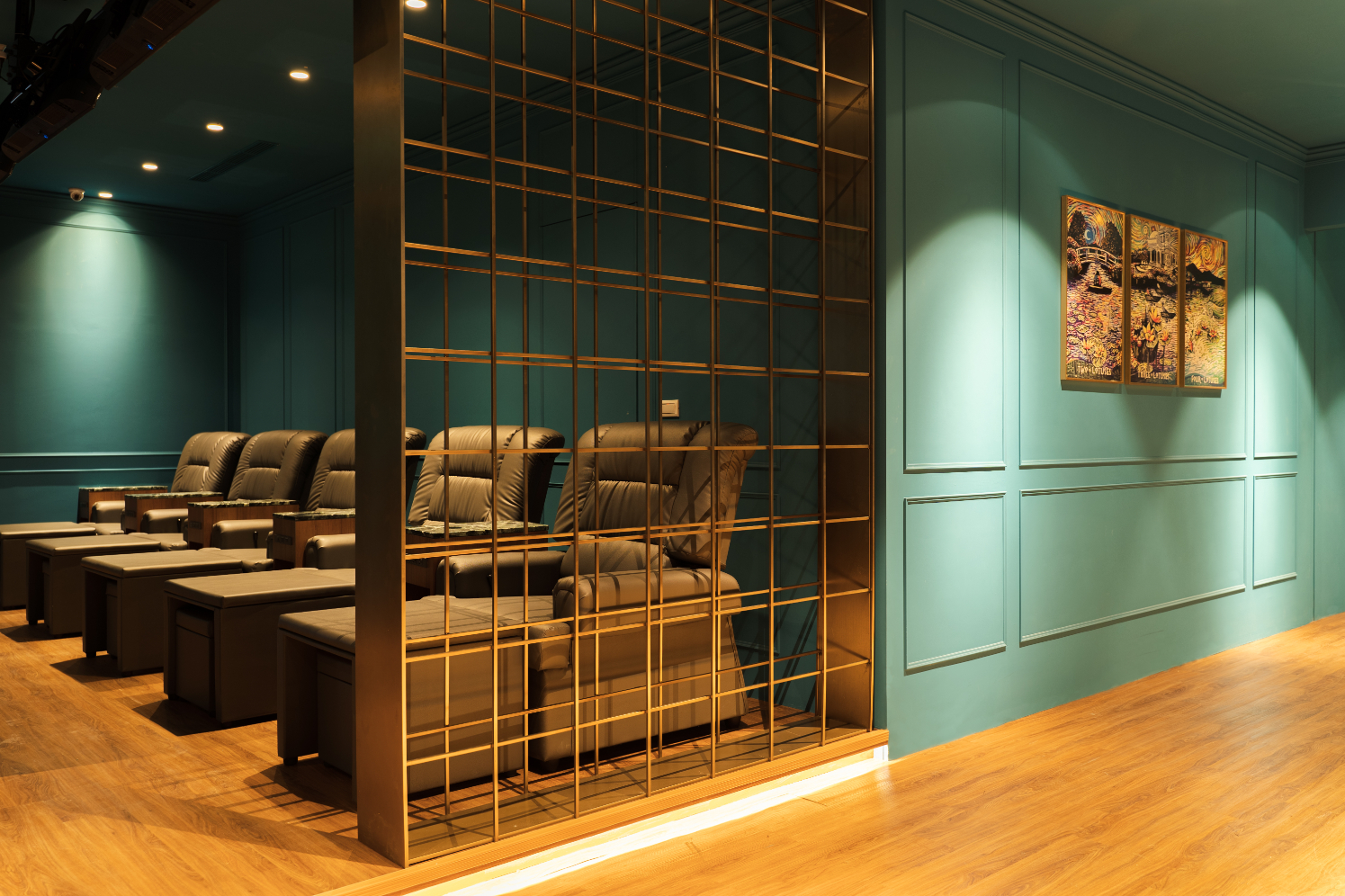
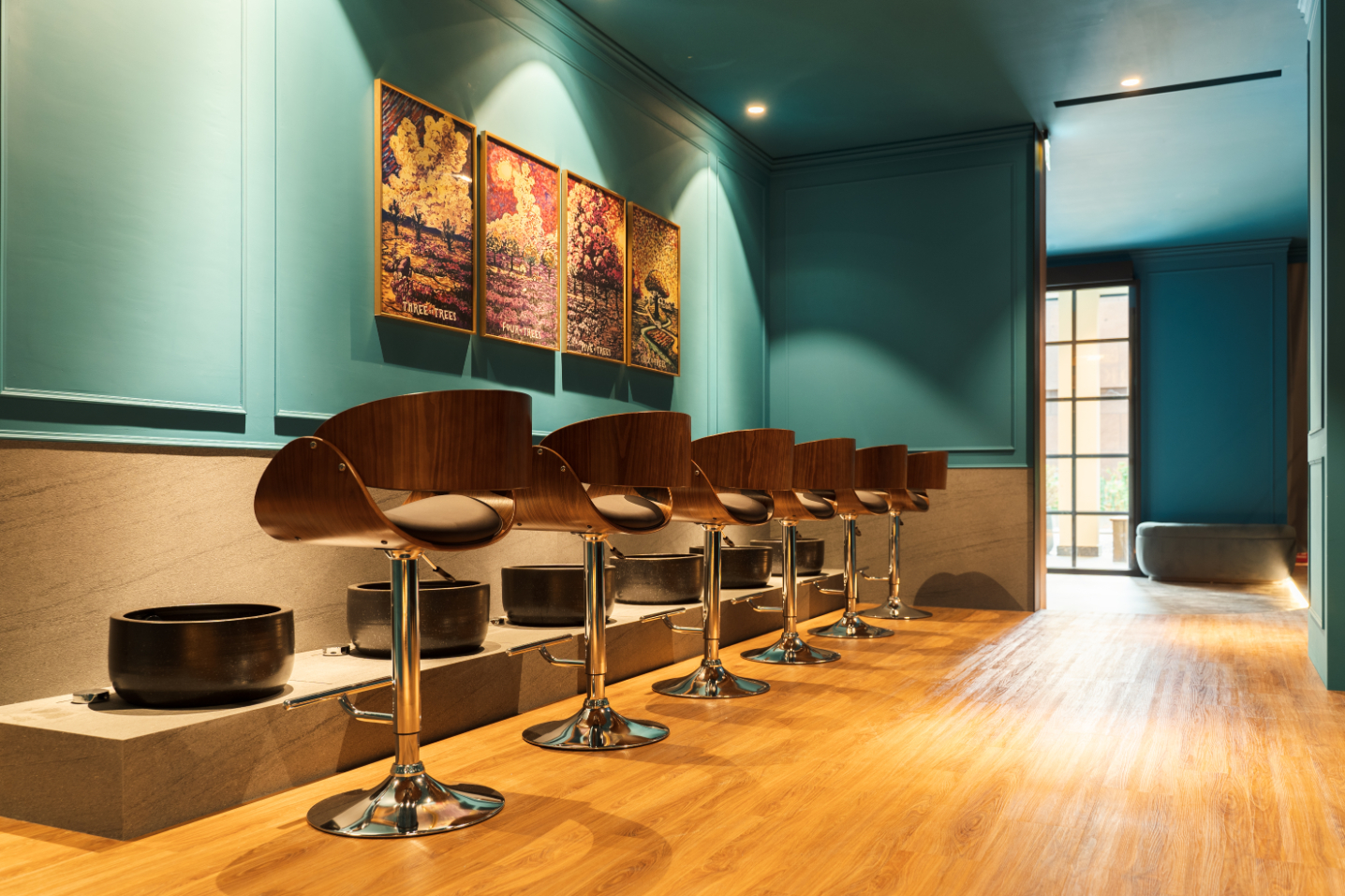
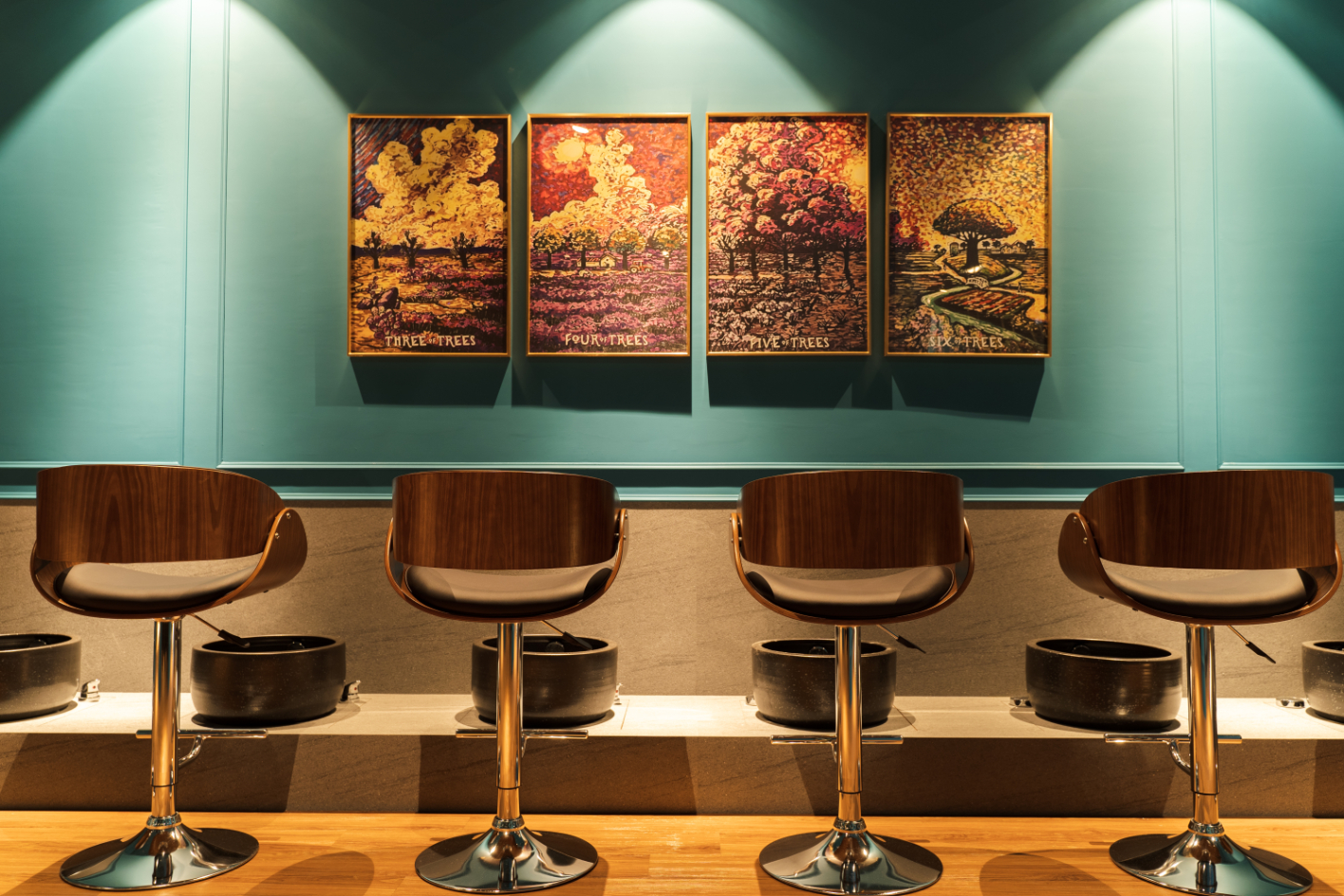
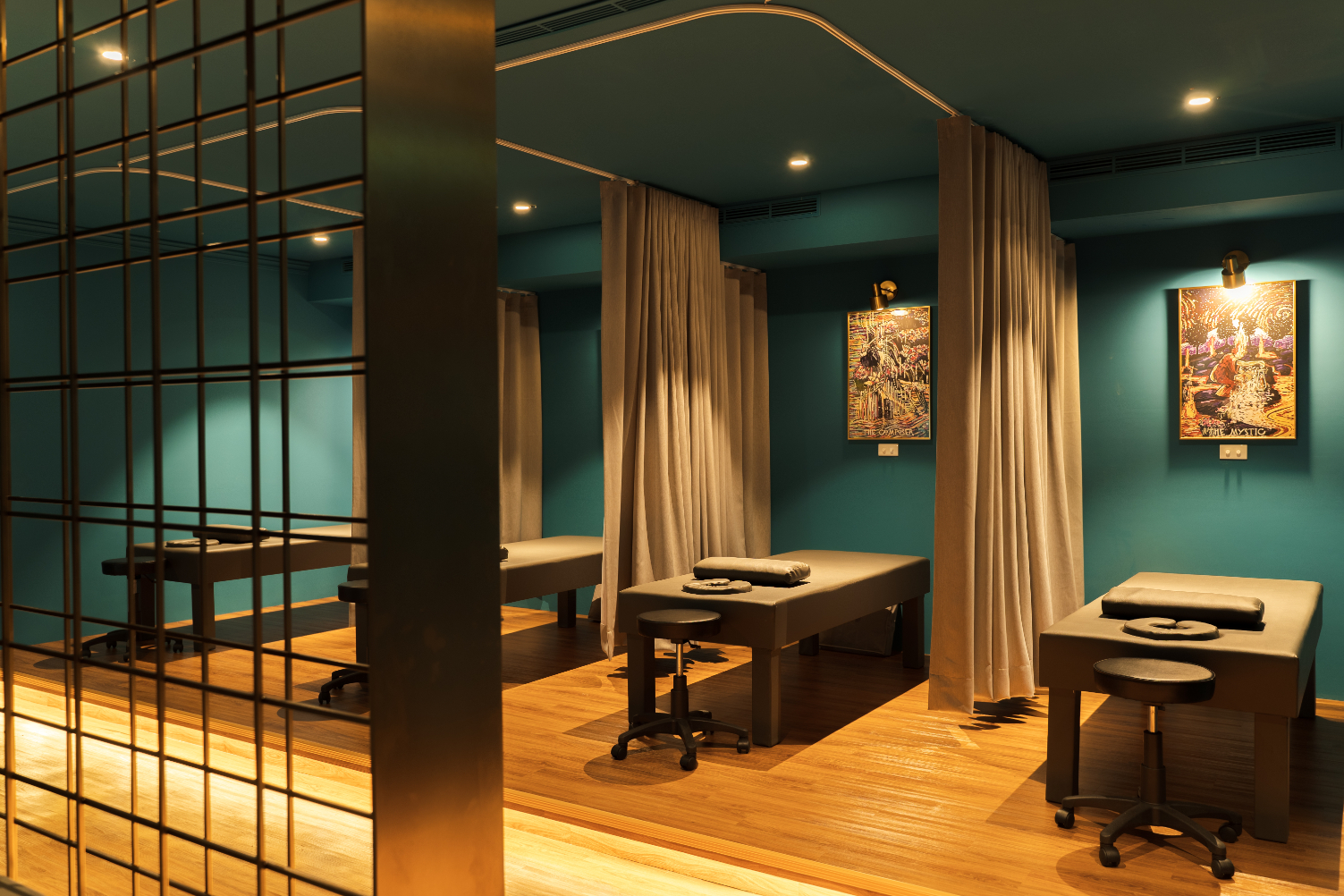
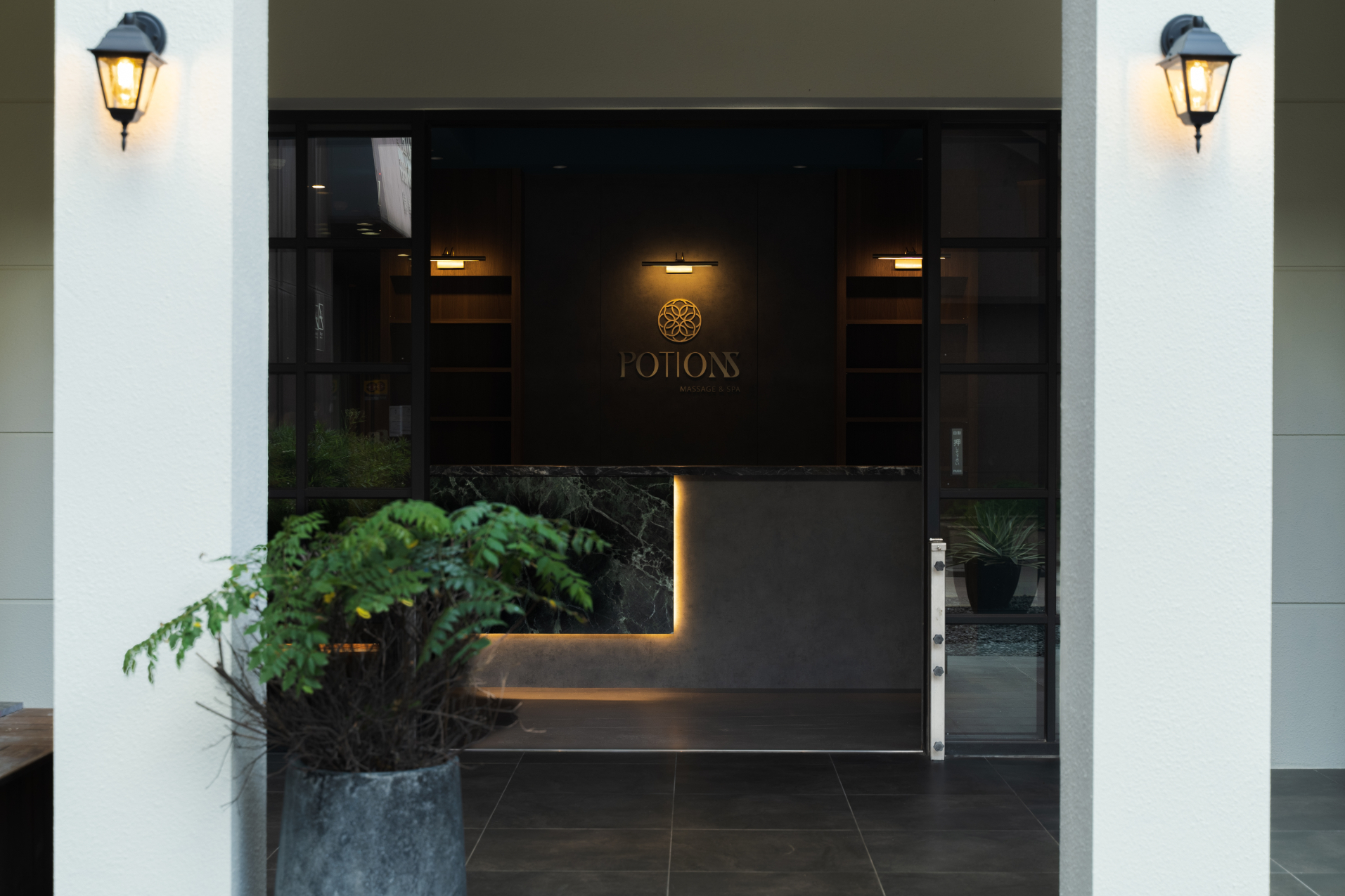
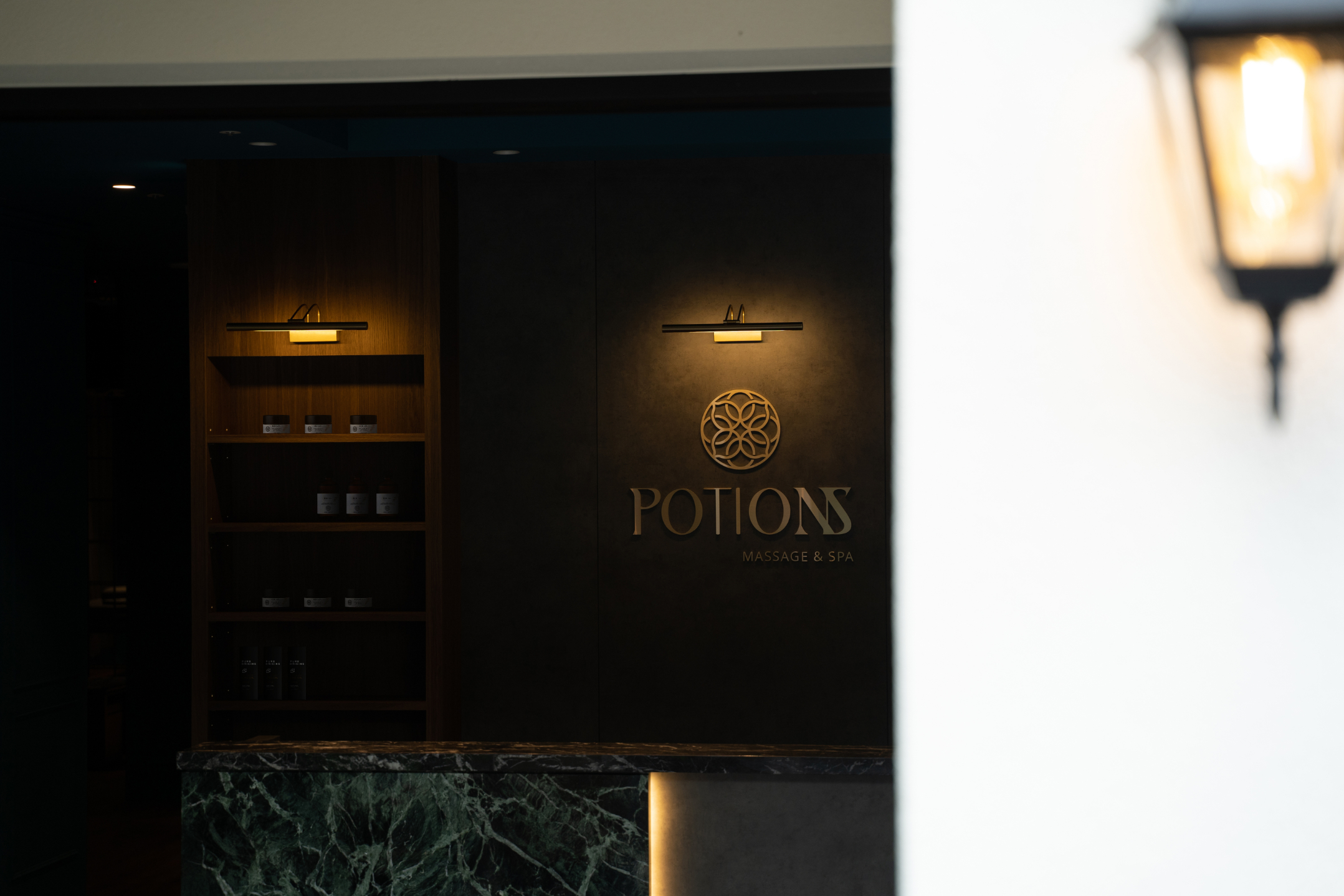
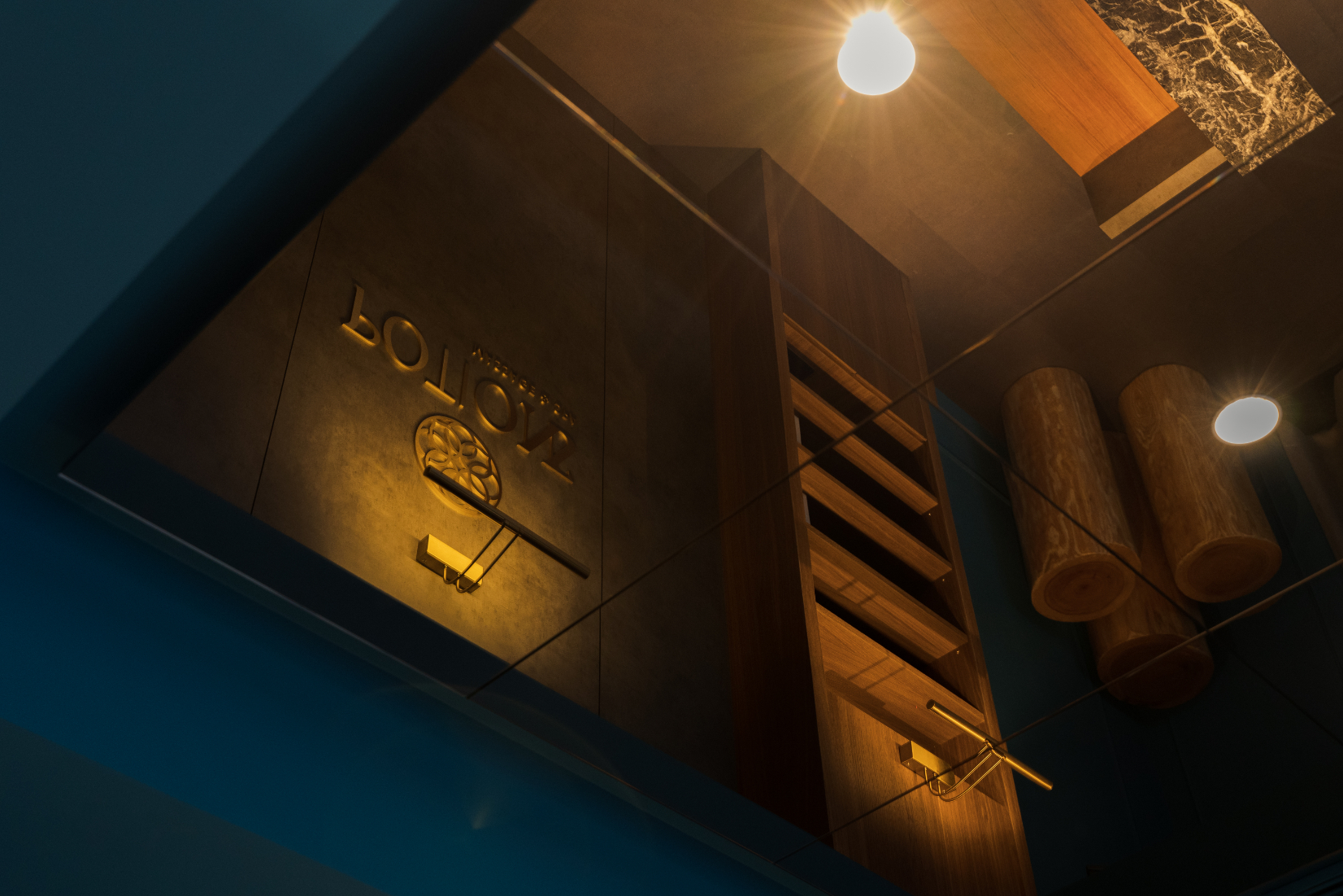
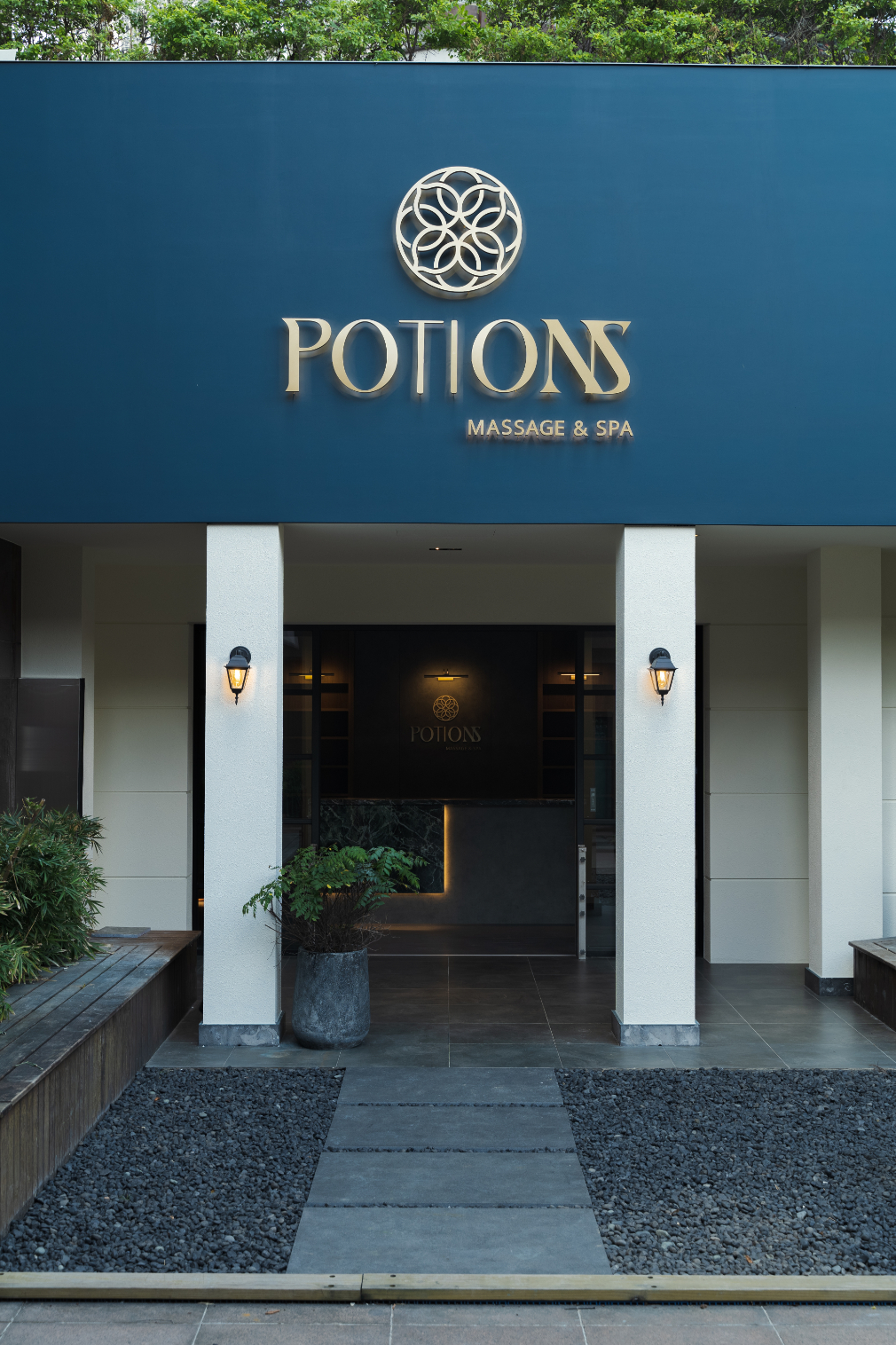
Most wellness spaces promote relaxation through light, white-toned palettes, which often end up feeling very similar to a standard home environment. In contrast, this project adopts modern design language to craft a dark alchemical aesthetic, combining a deep teal color scheme and subtle mystical symbols to construct a mesmerizing urban escape. Designed to transform therapeutic routines into mindful rituals, the vision turns the interior into a modern apothecary of stillness. This rich, enveloping space serves as a spatial catalyst, inviting visitors to slow down from the city's frantic pace and restore personal harmony. By strategically moving away from pale, neutral trends, the layout embraces a deep, welcoming teal palette that transforms a windowless basement into a sensory sanctuary. Within this evocative dark environment, raw natural textures meet practical floor planning to deliver a soulful guest experience where high-contrast, low-brightness environments offer a profound sense of recovery.
Stepping down from the ground floor, entering this dark, textured retreat triggers an instant psychological transition, lowering heart rates and calming minds of the metropolitan. Culturally, the project revives a fading local serpentinite stone craft, weaving local heritage into a contemporary commercial lexicon to ensure lasting design value. The project demonstrates that severe physical limitations can be completely hidden by a calm, low-brightness atmosphere. It offers a welcome break from everyday commercial environments while supporting the long-term well-being of city dwellers. This beautiful, highly functional space establishes a reliable, adaptive framework, allowing the brand to expand across multiple urban locations while keeping its premium sensory quality highly balanced with construction costs. By beautifully integrating brand narrative and architectural form, the design redefines how people experience physical and emotional recovery in the modern city.
Credits
Entrant
Shenzhen Root Innovation Technology Co., Ltd.
Category
Product Design - Baby, Kids & Children Products
Entrant
SHENZHEN FREEFORM DESIGN CO .,LTD .
Category
Interior Design - Commercial

Entrant
Tu Wenhui, Lin Ye, Wang Yiming
Category
Conceptual Design - Gaming, AR & VR