2025
Zhishentang Ganoderma Lucidum Smart Super Factory
Entrant
Qianzhu (Luoyang) Planning and Design Co., Ltd/ He Kehong, Zhang Haoxiang
Category
Architectural Design - Mix Use Architectural Designs
Client's Name
Anhui Zhishentang Pharmaceutical Co., Ltd
Country / Region
China
Gallery

About The Entry
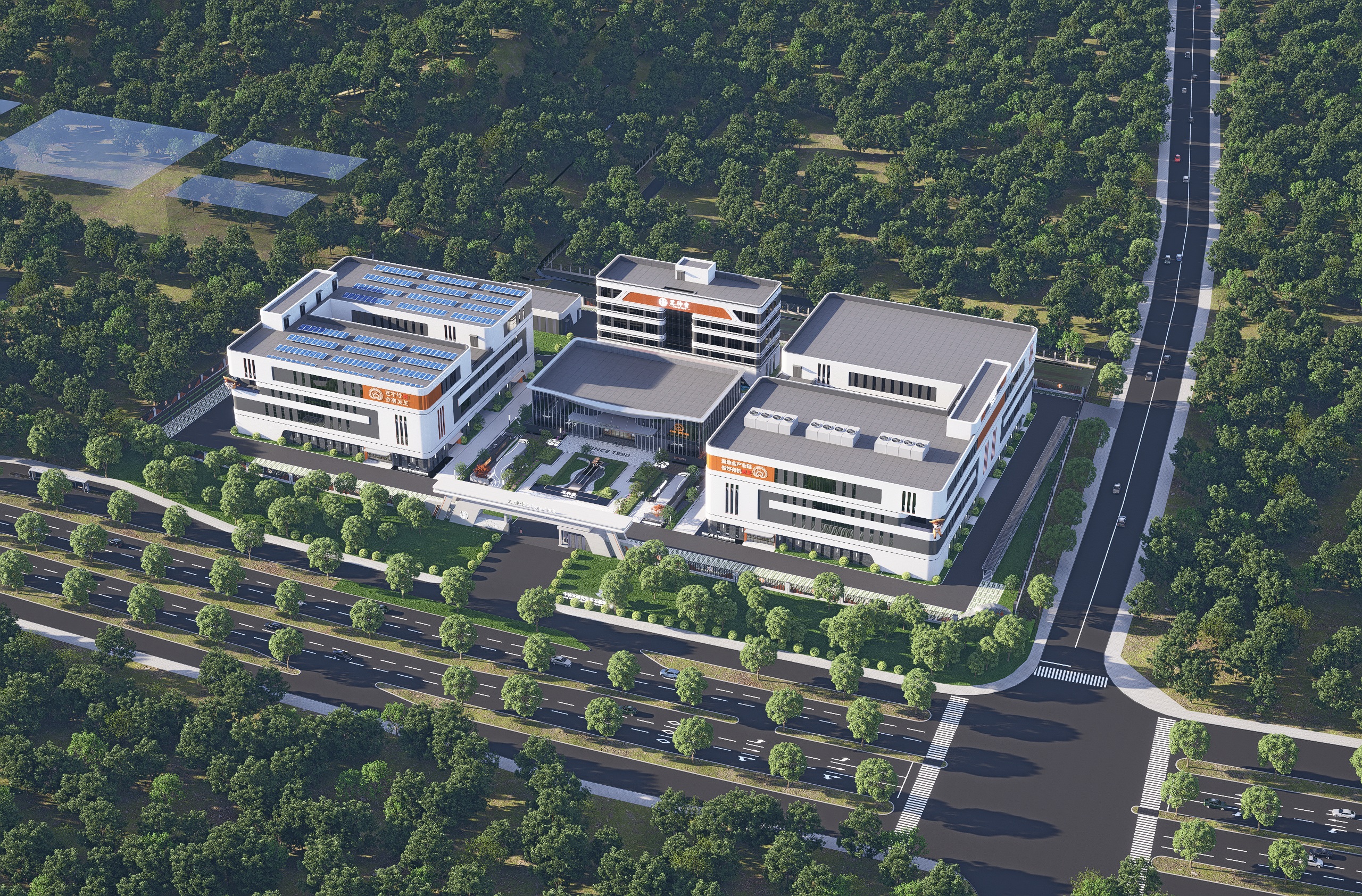
Located in the Dabie Mountains of Jinzhai County, Anhui Province, the Zhishentang Ganoderma Lucidum Smart Super Factory is guided by the design principles of “symbiosis between industrial order and natural growth.” This philosophy seamlessly integrates environmental stewardship and natural resonance, without compromising production efficiency or cost discipline.
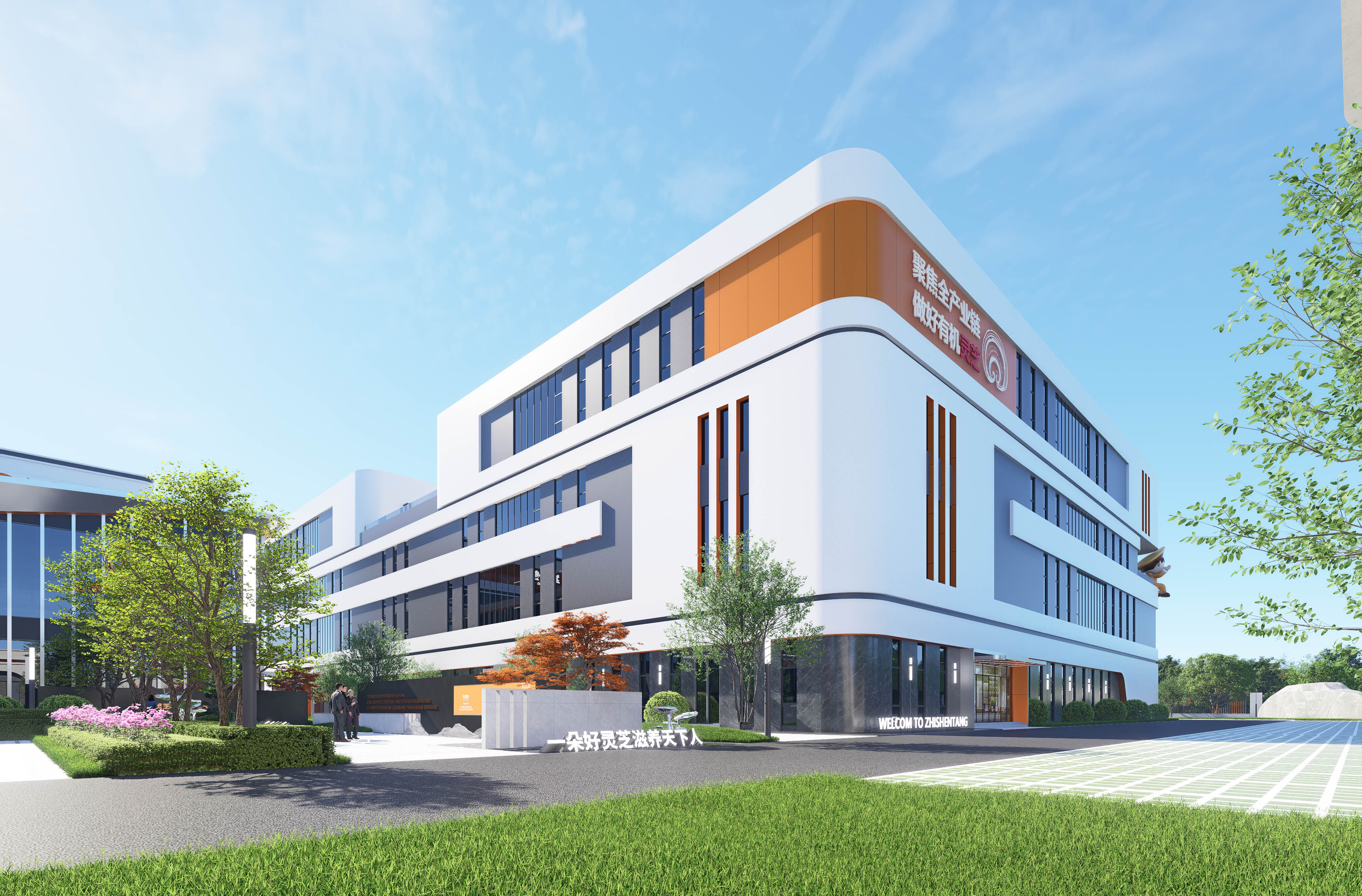
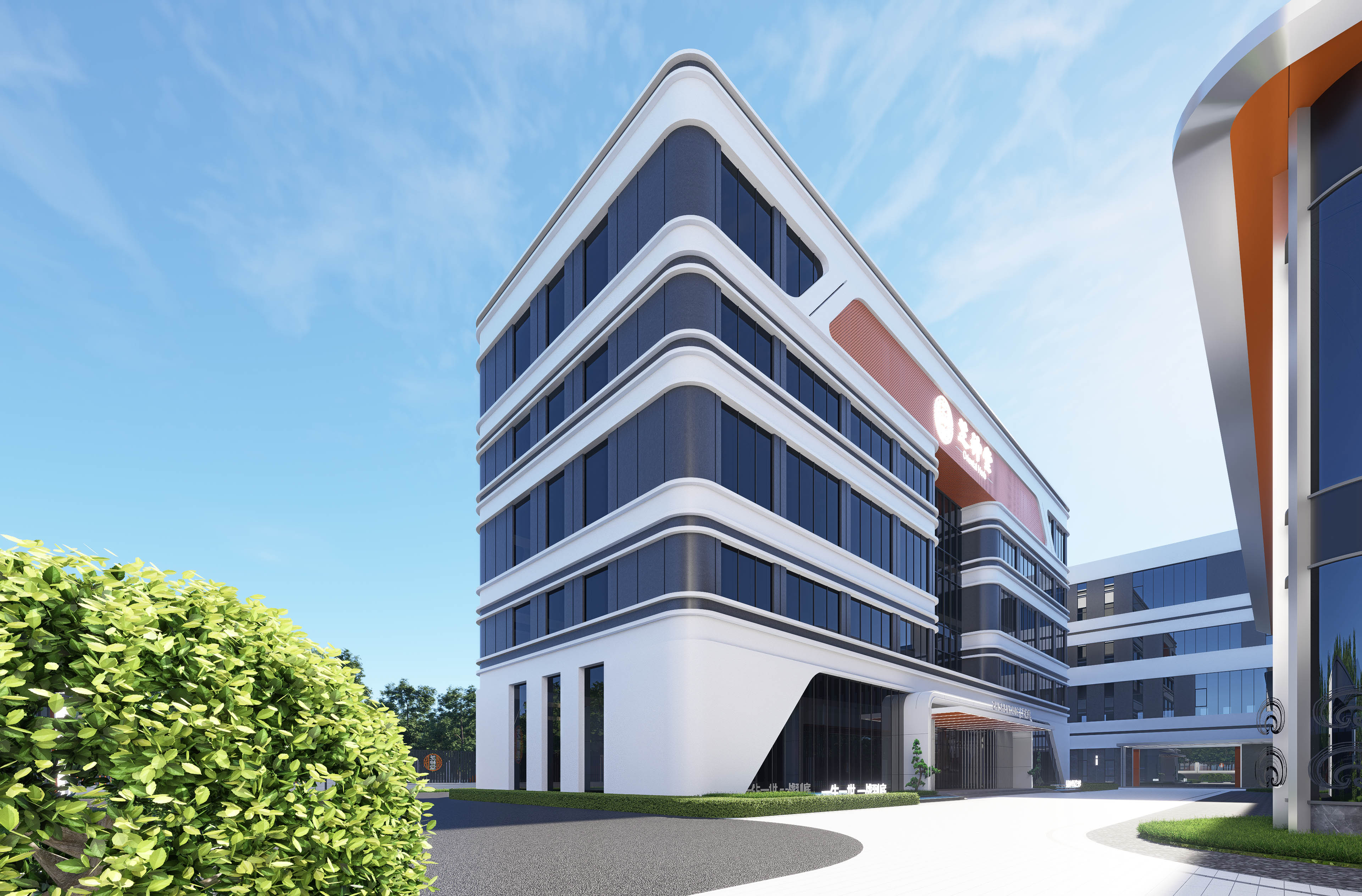
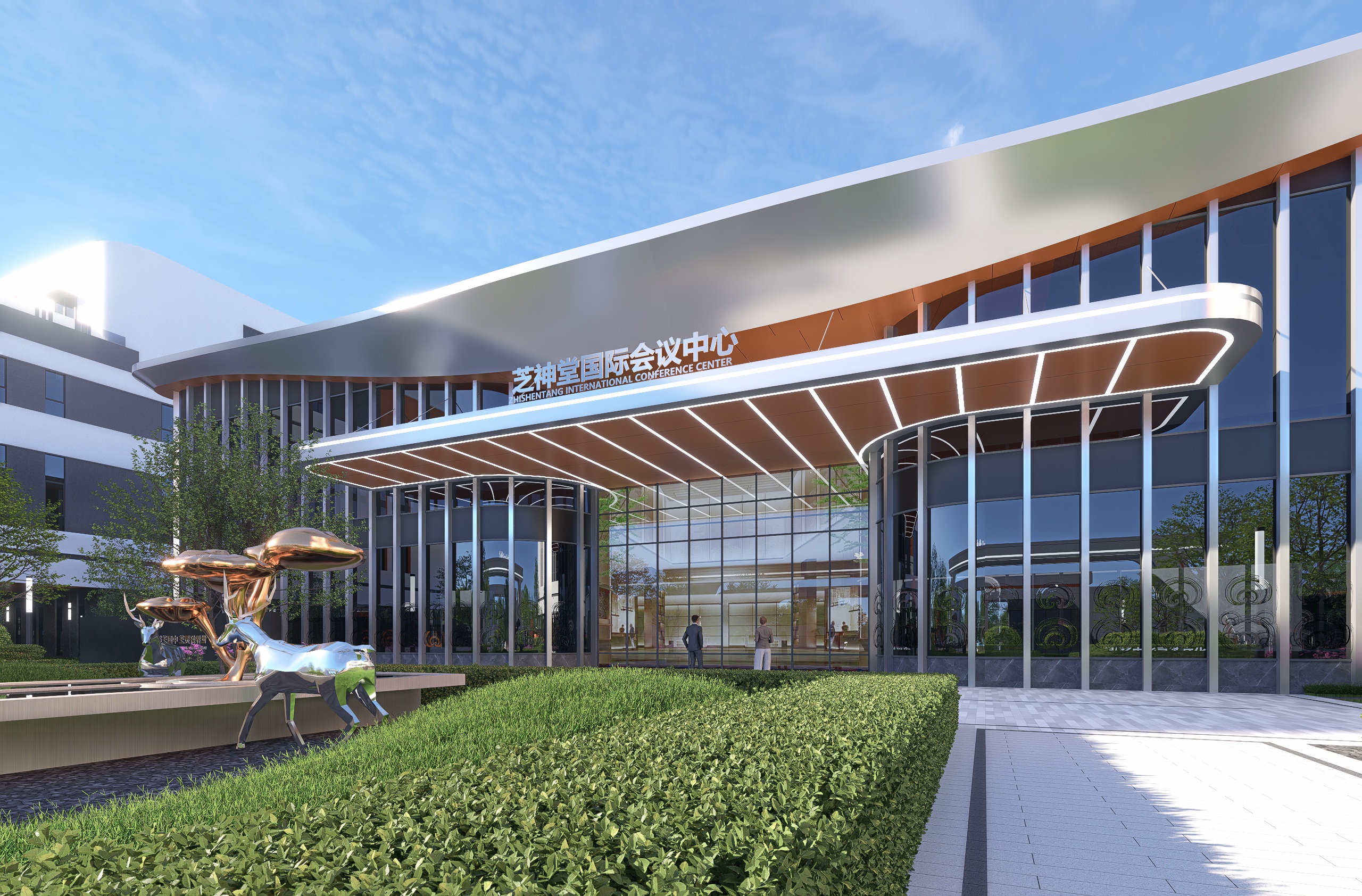
The site layout prioritizes operational clarity. The conference center occupies a central position, with administrative offices set toward the rear to streamline visitor access and reception. Production workshops are symmetrically arranged on either side and linked by corridors, enabling a closed-loop workflow while separating public circulation from operational zones—a key measure for enhancing safety and efficiency. The overall architectural form abstractly references the stem-and-cap morphology of Ganoderma lucidum, establishing a distinctive identity that avoids literal or excessive symbolism.
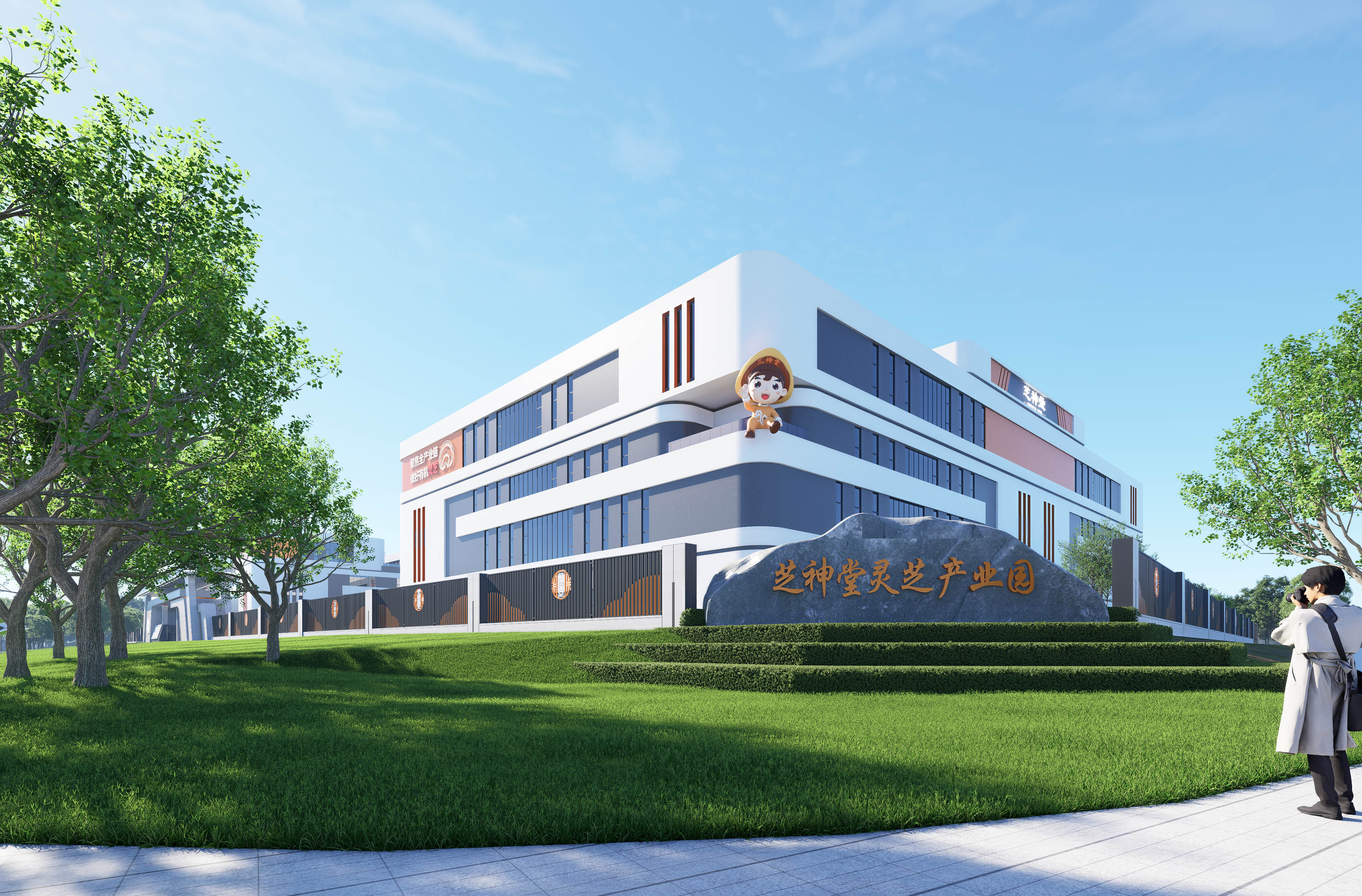
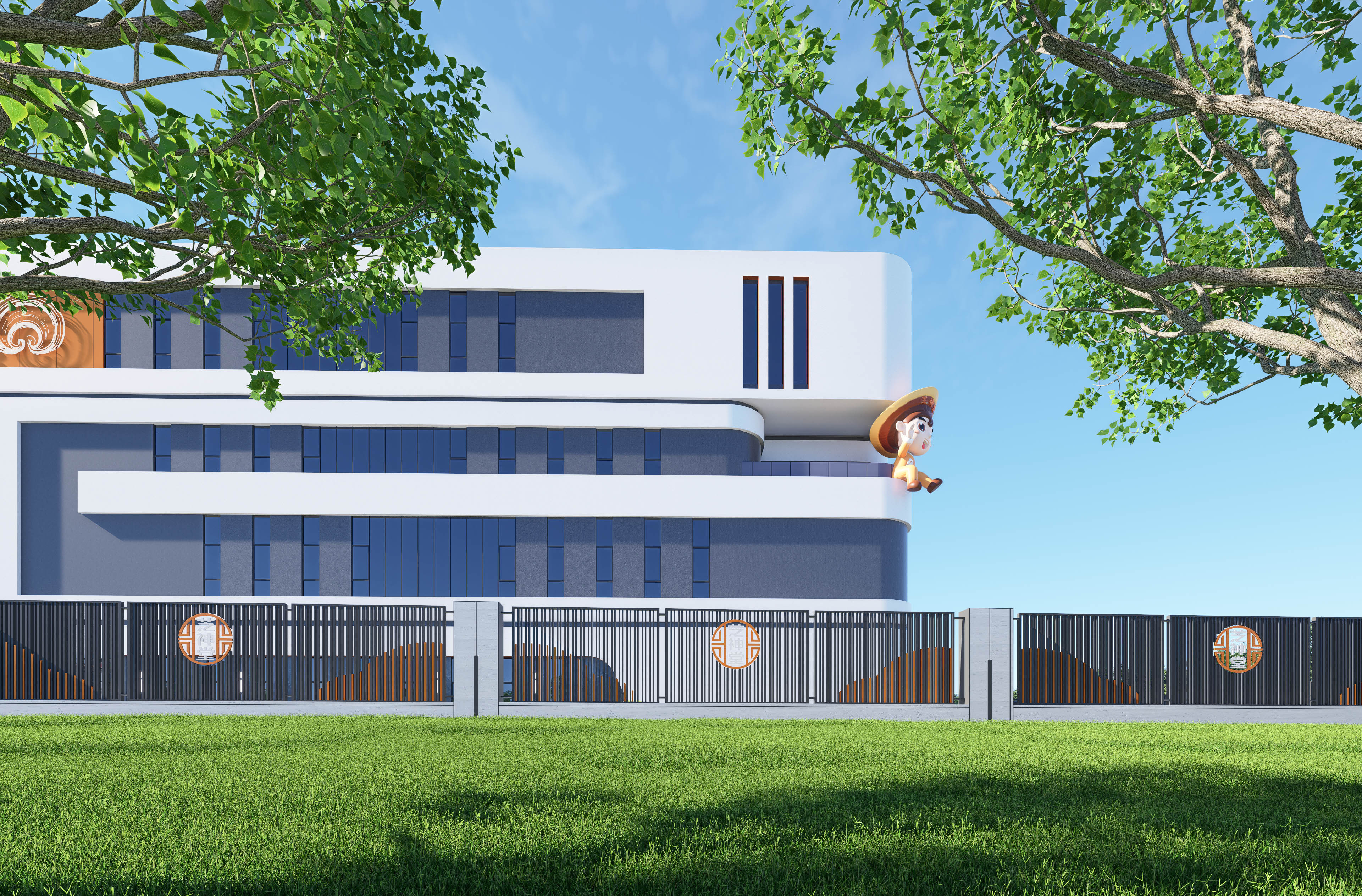
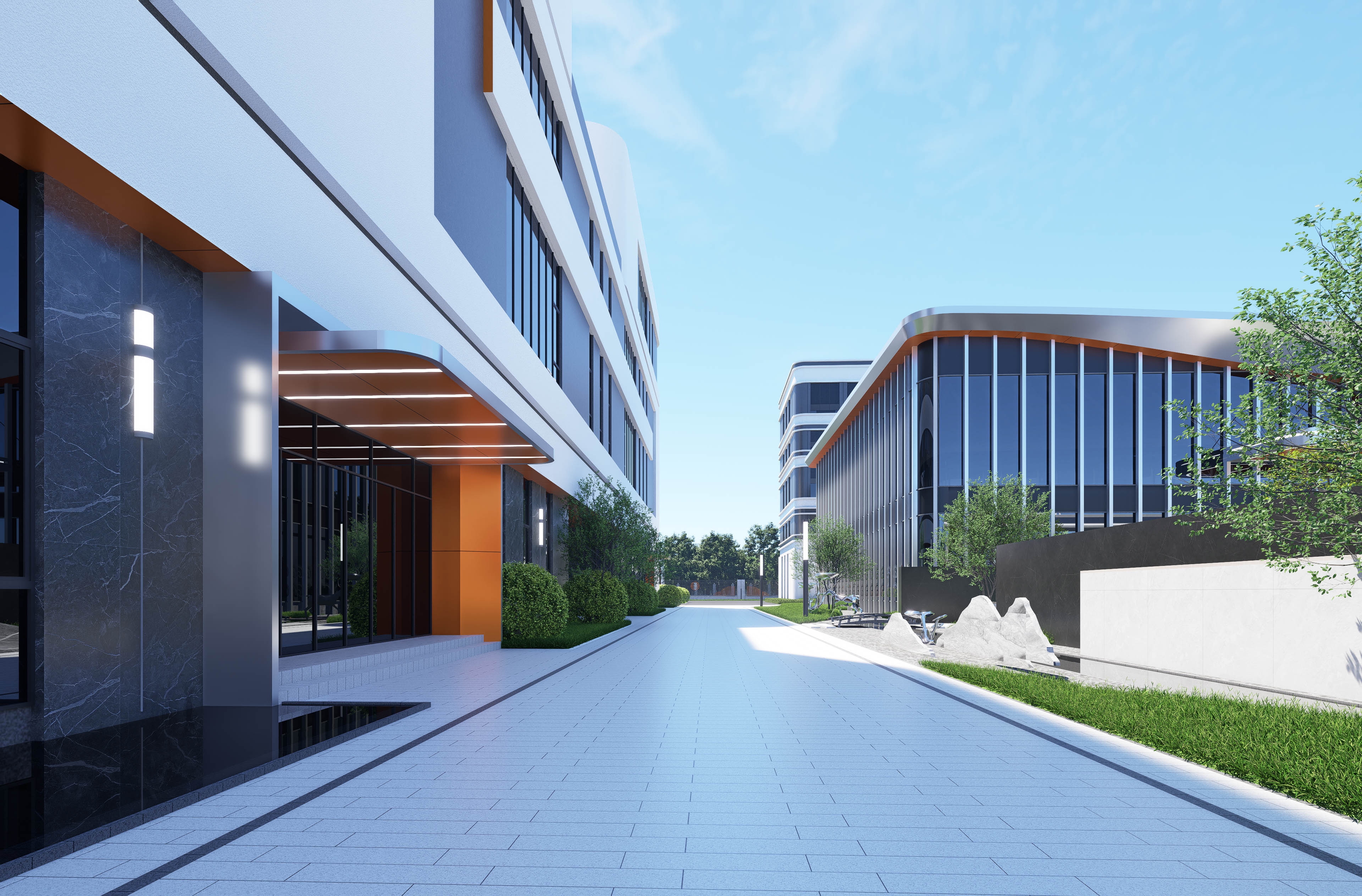
Facade material selection is guided by functional zoning and construction economy. The conference center employs glass curtain walls and aluminum panels to project a modern, high-quality image. On the factory buildings, stone cladding is used at the ground level where durability and appearance are most critical; the second and third floors feature durable, stone-effect coatings to control costs. At prominent corners, intersecting volumes add depth and visual articulation, enhancing architectural presence without overspending.
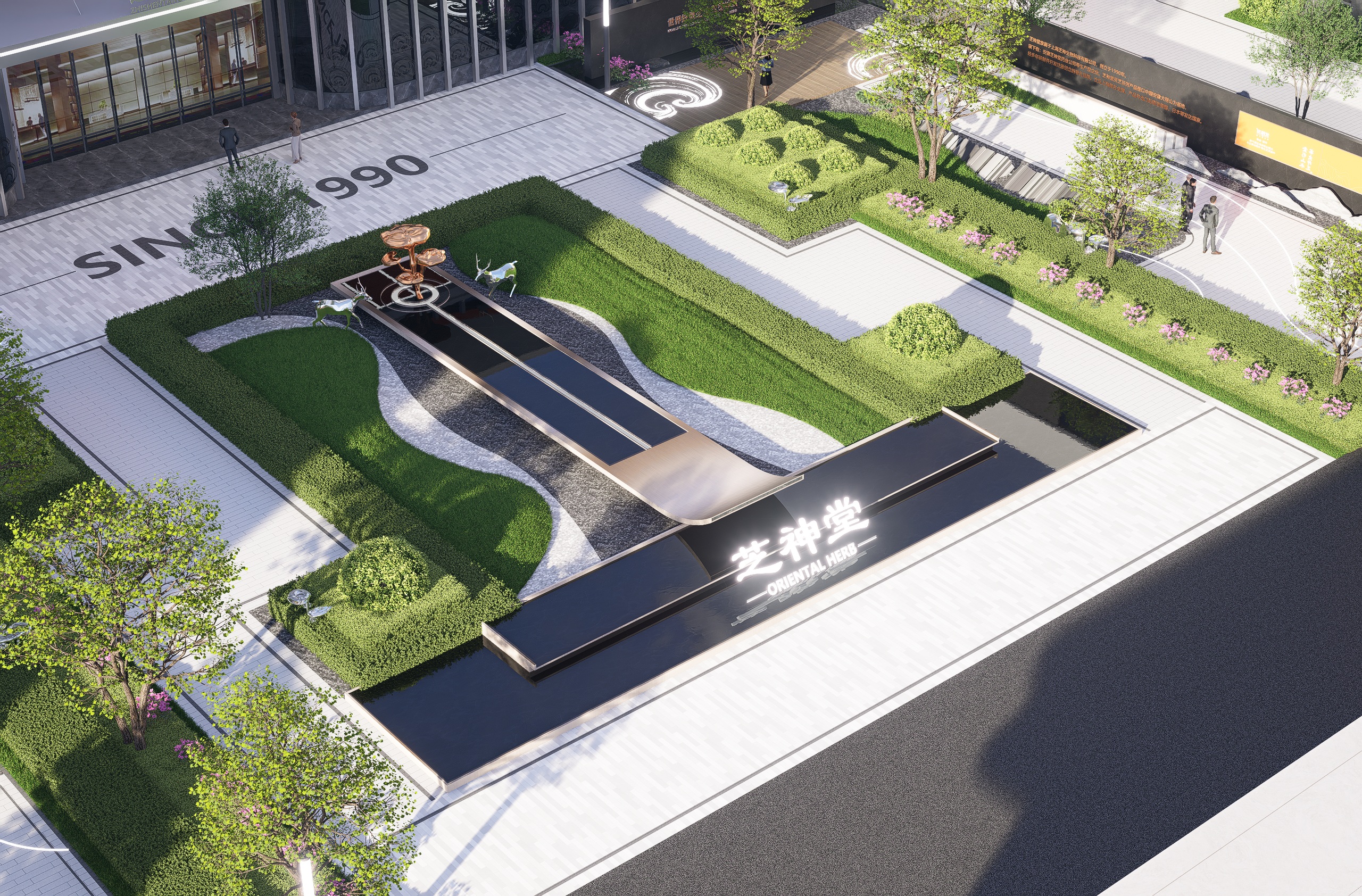
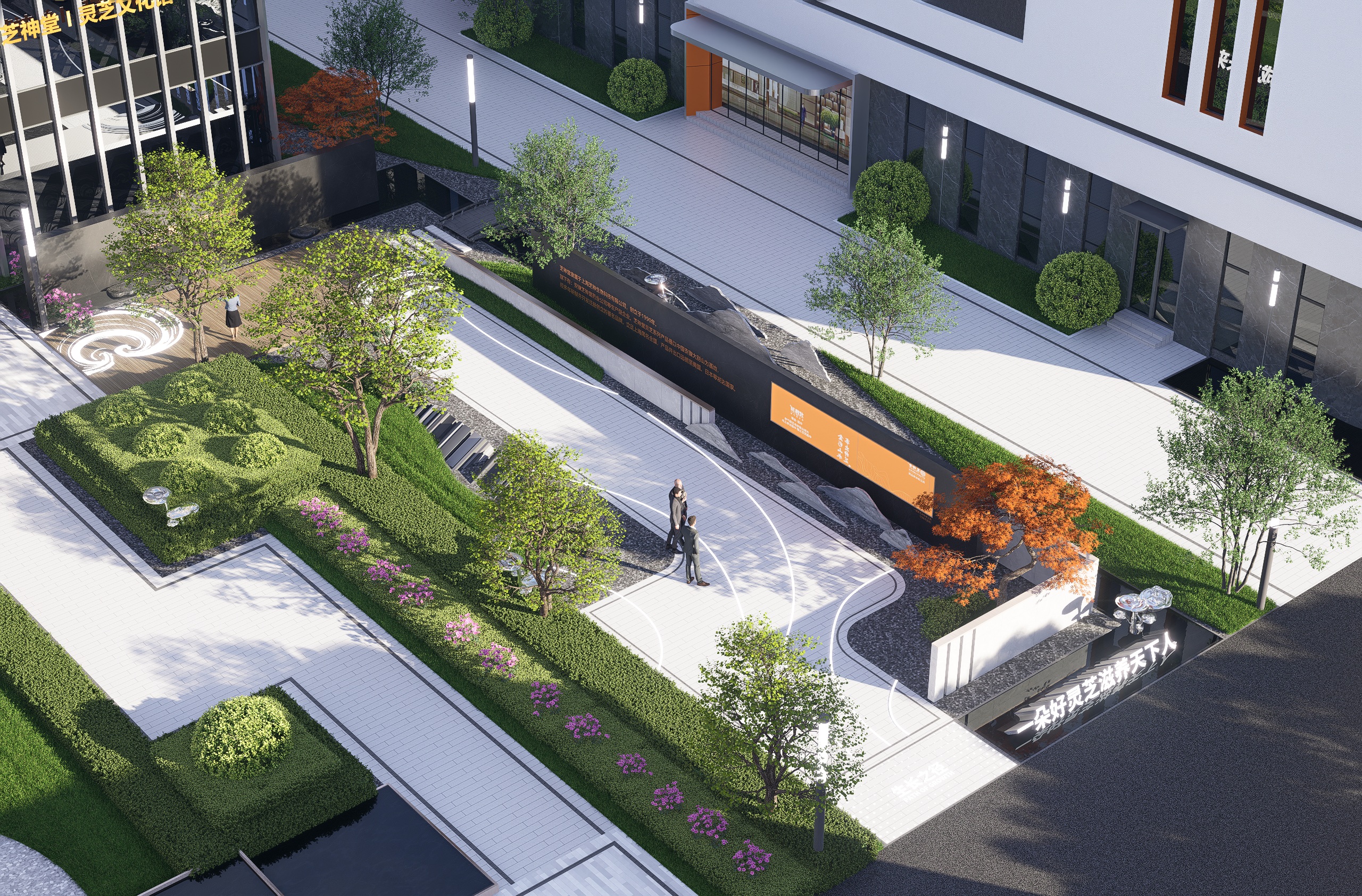
Landscape design avoids ornamental curves in favor of functional simplicity. Pathways follow the biological progression of mushroom development—from spores to mycelia to fruiting bodies—and subtly incorporate cultural motifs such as the “Fairy Deer” and “Golden Ganoderma.” This approach ensures low maintenance, visual clarity, and a coherent expression of the brand’s identity.
Sustainability strategies are implemented holistically. Rooftop photovoltaic panels generate on-site renewable energy; skylights in workshop roofs maximize daylighting to reduce artificial lighting loads; and a ground-source heat pump system delivers efficient heating and cooling. Waste is treated as a resource: spent mushroom substrate is composted on-site and reused as organic fertilizer; process wastewater undergoes multi-stage treatment before being repurposed for landscape irrigation; and exhaust air is purified through biofiltration systems to meet stringent emission standards. Green roofs and vertical greenery further enhance thermal comfort and microclimate regulation—all without imposing significant additional maintenance demands.
Credits
Entrant
Design Action
Category
Interior Design - Educational