
2025
Camélia Xinyi
Entrant
HERMES INTERIOR DECORATION DESIGN CO.,LTD.
Category
Interior Design - Informational / Transactional Kiosks & Terminals
Client's Name
-
Country / Region
Taiwan
Gallery
About The Entry
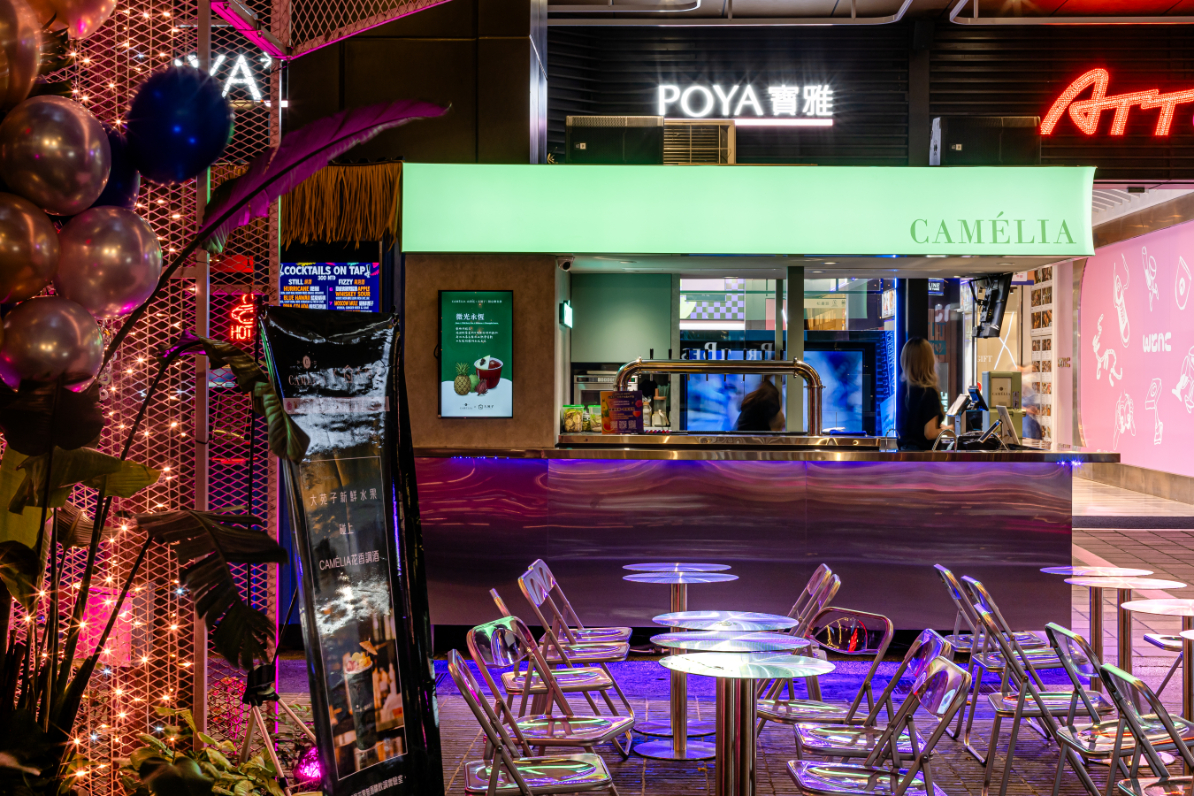
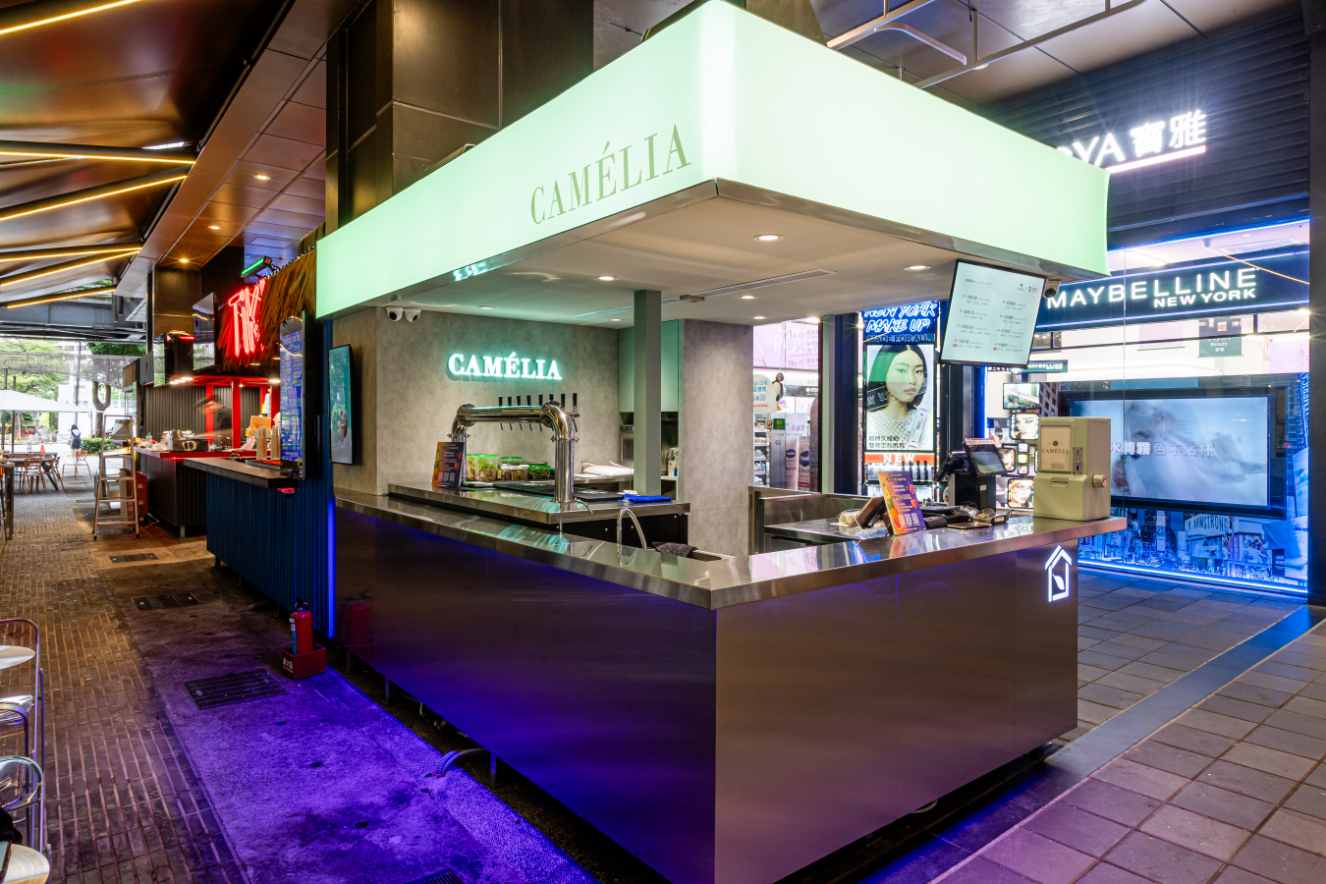
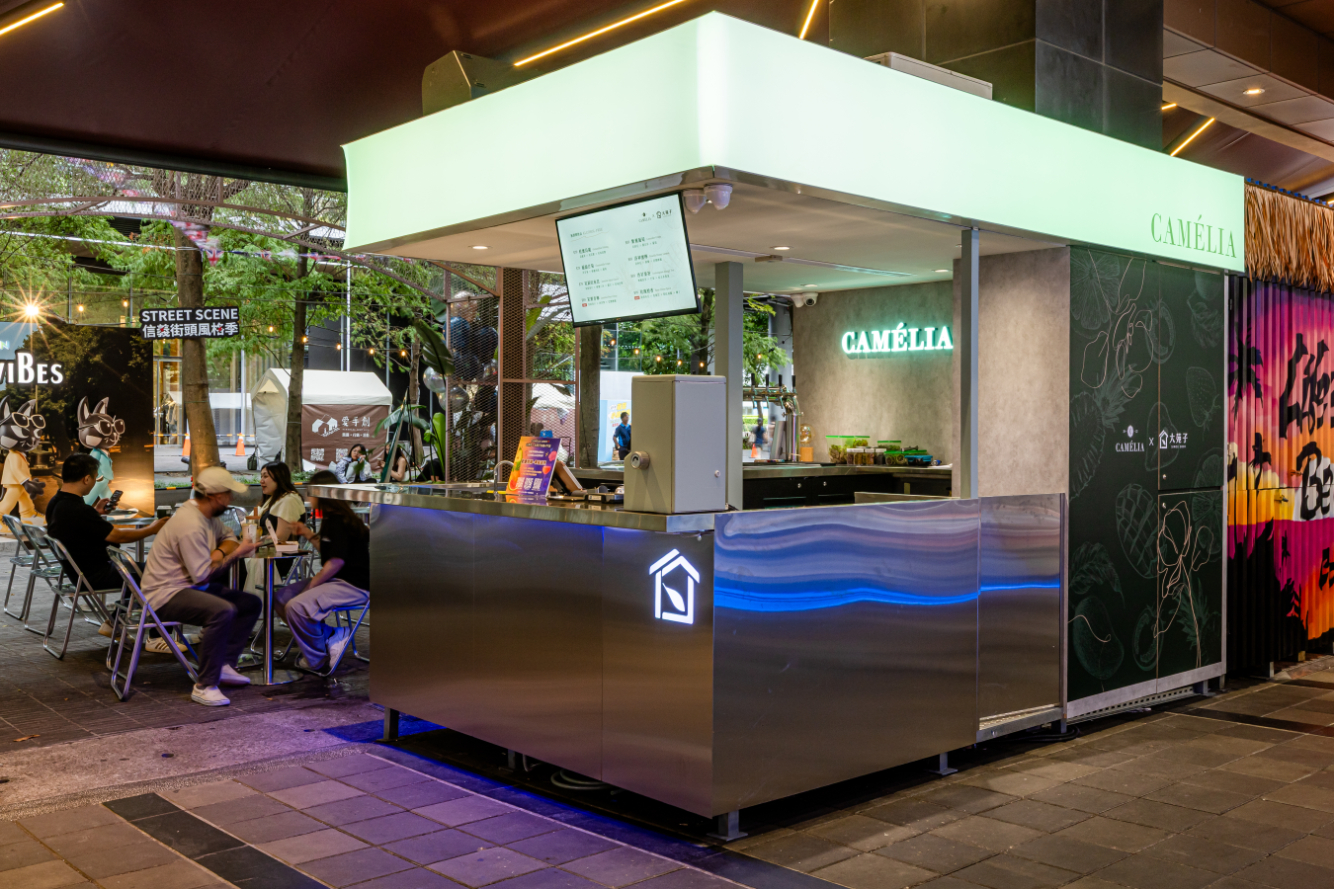
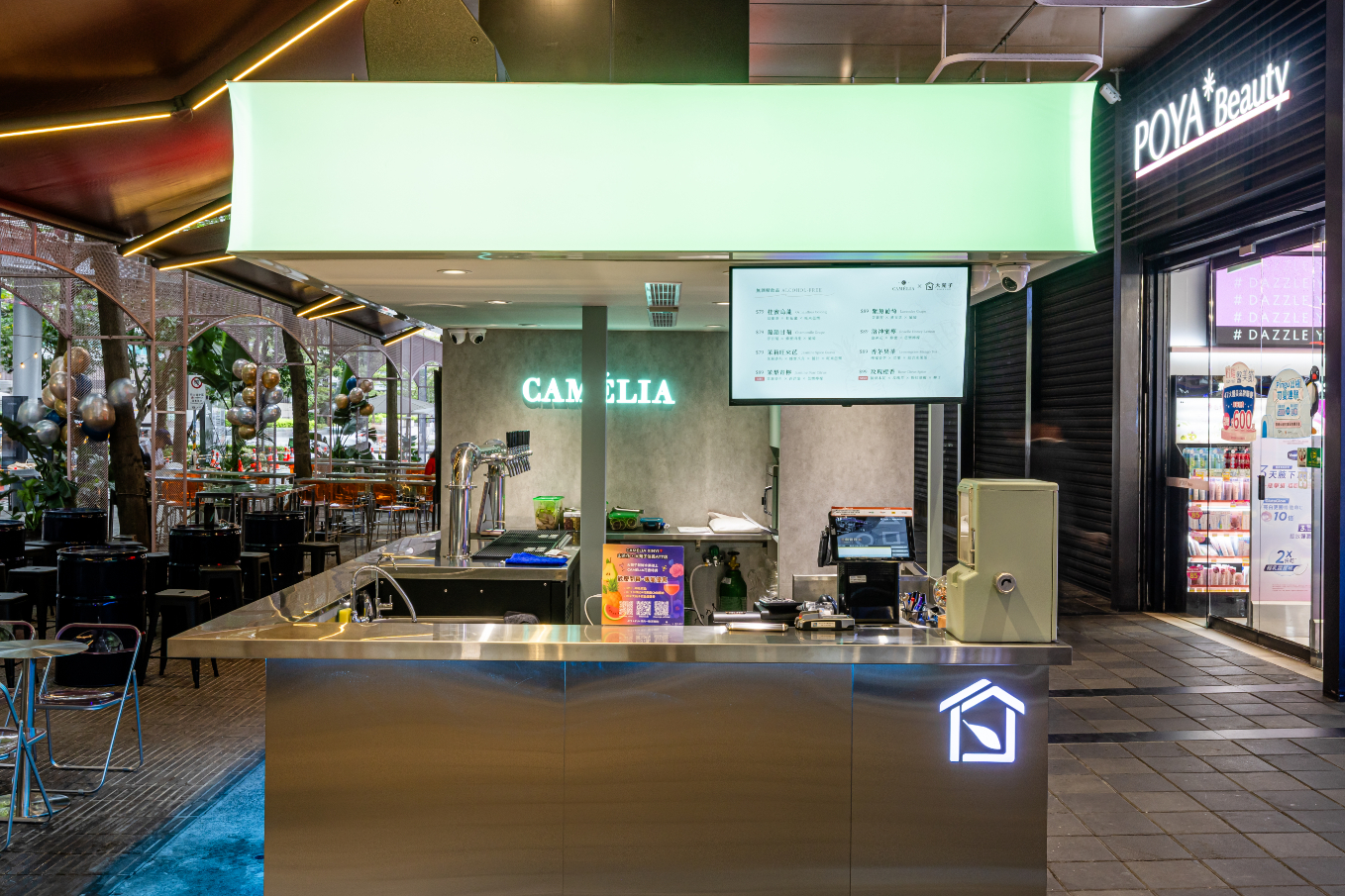
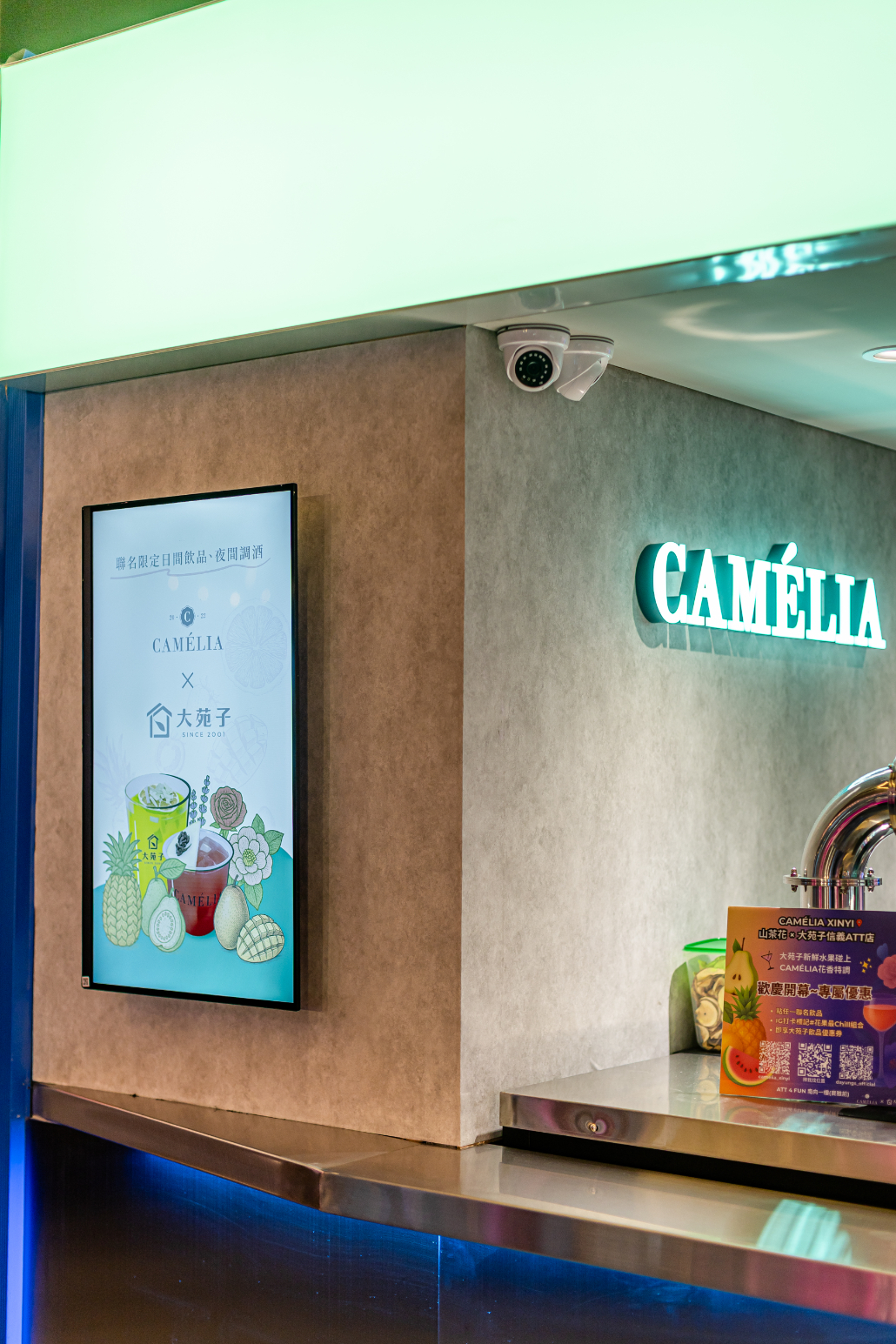
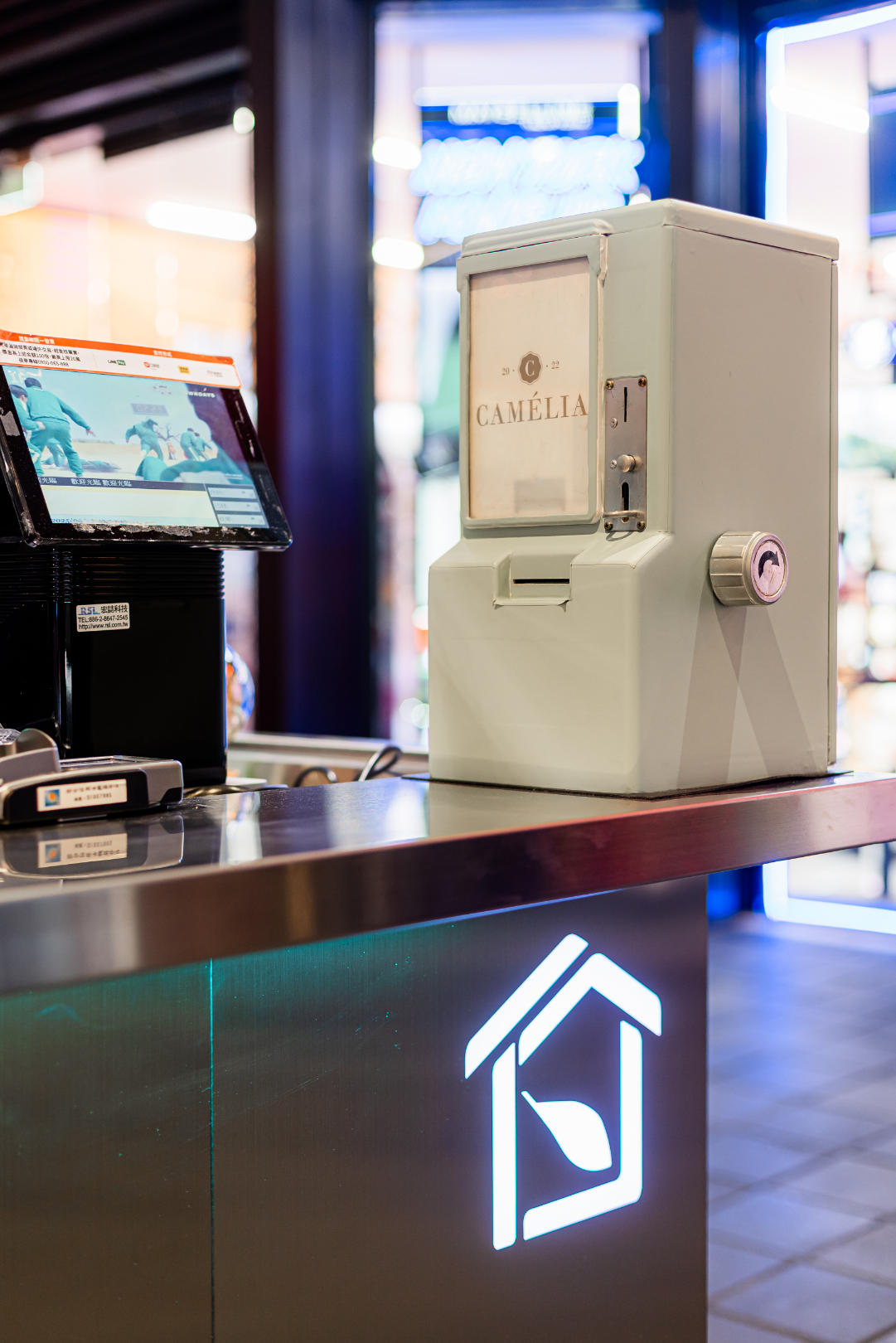
Sitting in the hyper-dense commercial core of Taipei’s Xinyi District, this project confronts a critical urban typology: the street-side kiosk. Conventionally, such structures are static, mono-functional entities designed solely for transactional efficiency. However, this site required a radical reimagining to accommodate a dual-brand operation with conflicting temporal logics: DaYung's, a brand synonymous with the rapid, high-volume consumption of fresh fruit tea by day, and Camélia, which introduces a slow-paced, ritualistic floral cocktail experience by night.
The design challenge extended beyond mere spatial compression; it necessitated a response to the shifting psychological needs of the contemporary urban dweller. In a post-pandemic context, the demand for outdoor social spaces has surged, yet the district lacked a medium capable of bridging the gap between daytime functionalism and nighttime leisure. The project, therefore, posits the kiosk not as a passive stall, but as a responsive urban micro-architecture that actively engages with the city’s metabolism.
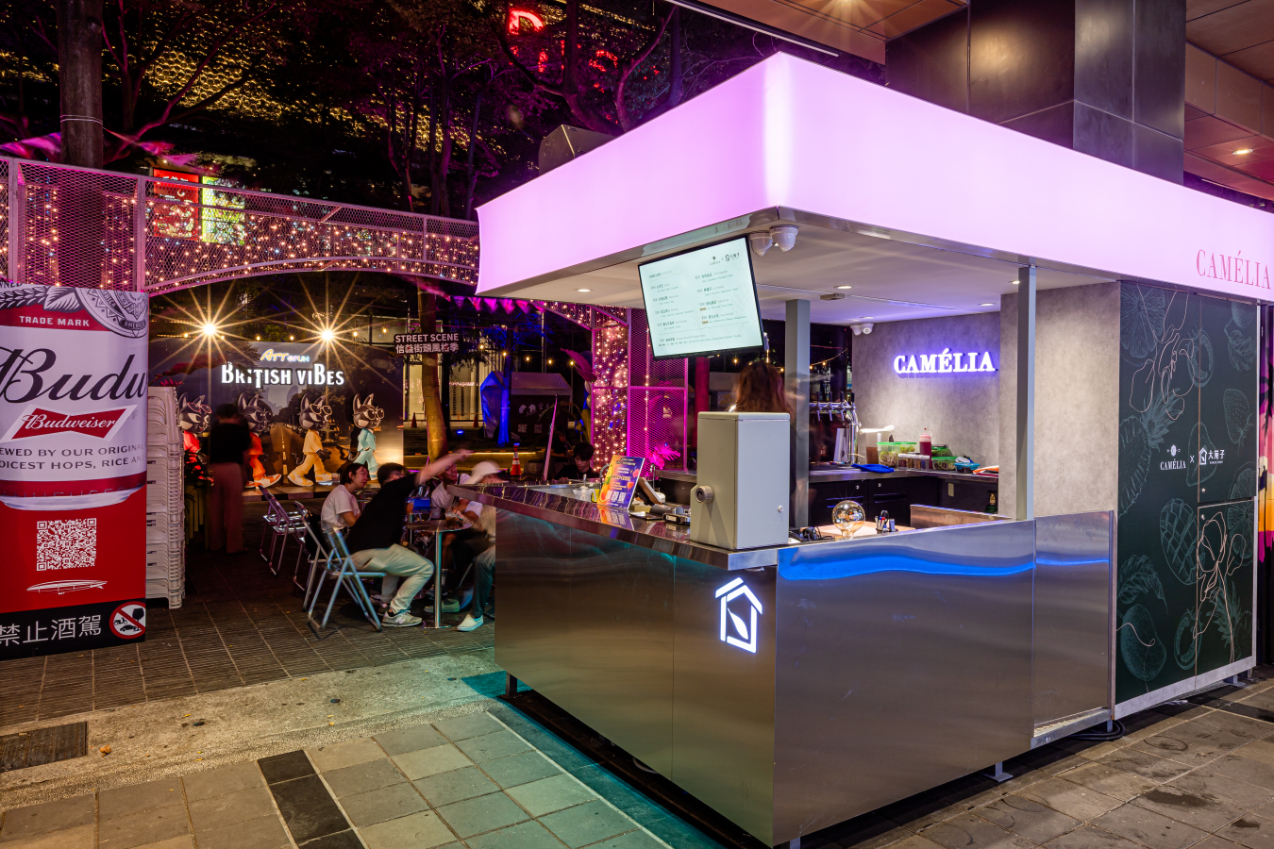
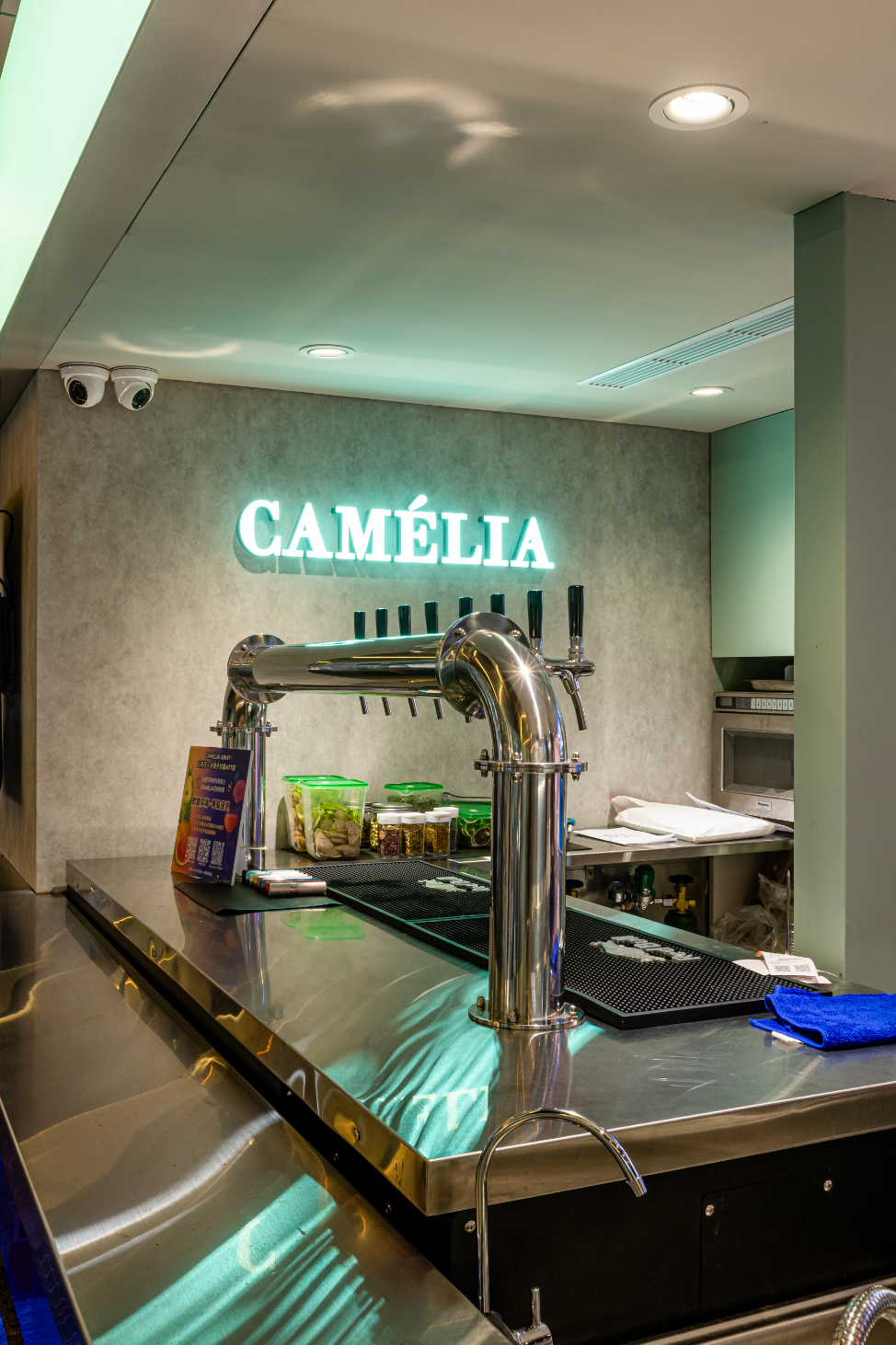
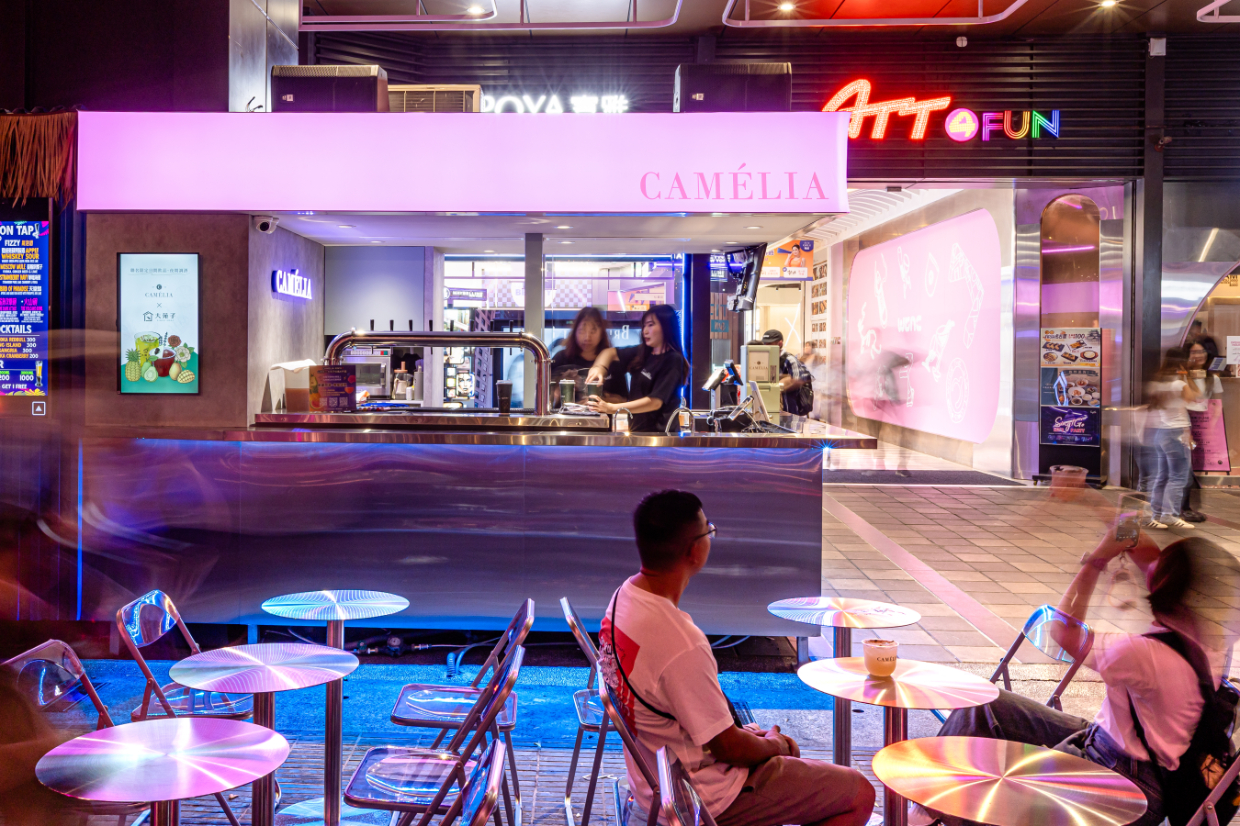
The strategy abstracts the core brand duality into a time-based spatial narrative: "Fruit" (Day) and "Flower" (Night). Rather than relying on physical partitions which would clutter the limited footprint, the design employs light and materiality as the primary architectural elements. By establishing a rigorous temporal zoning strategy, the interface transforms from a transparent, efficiency-driven service point into an immersive, neon-lit social hub as the sun sets. This calculated flexibility allows the architecture to mediate the transition from the frantic pace of the central business district to a suspended moment of urban intimacy.
Ultimately, the project transcends the traditional definition of a beverage stand. It aims to function as a temporary urban scene, a malleable interface that anchors a new rhythm of public drinking culture. By successfully integrating complex operational flows within a minimal intervention, the design demonstrates how micro-scale architecture can provoke a macro-scale shift in street-level interaction, offering a precise solution to the scarcity of adaptive public spaces in high-density Asian metropolises.


Entrant
Hangzhou Jingyi Technology Co., Ltd.
Category
Product Design - Lifestyle

Entrant
Layer.studio
Category
Landscape Design - Industrial Landscape