Wynn Chen (Wei-Ming Chen)
1. Congratulations on winning the London Design Awards! Can you introduce yourself and share about what inspired you to pursue design as a career?
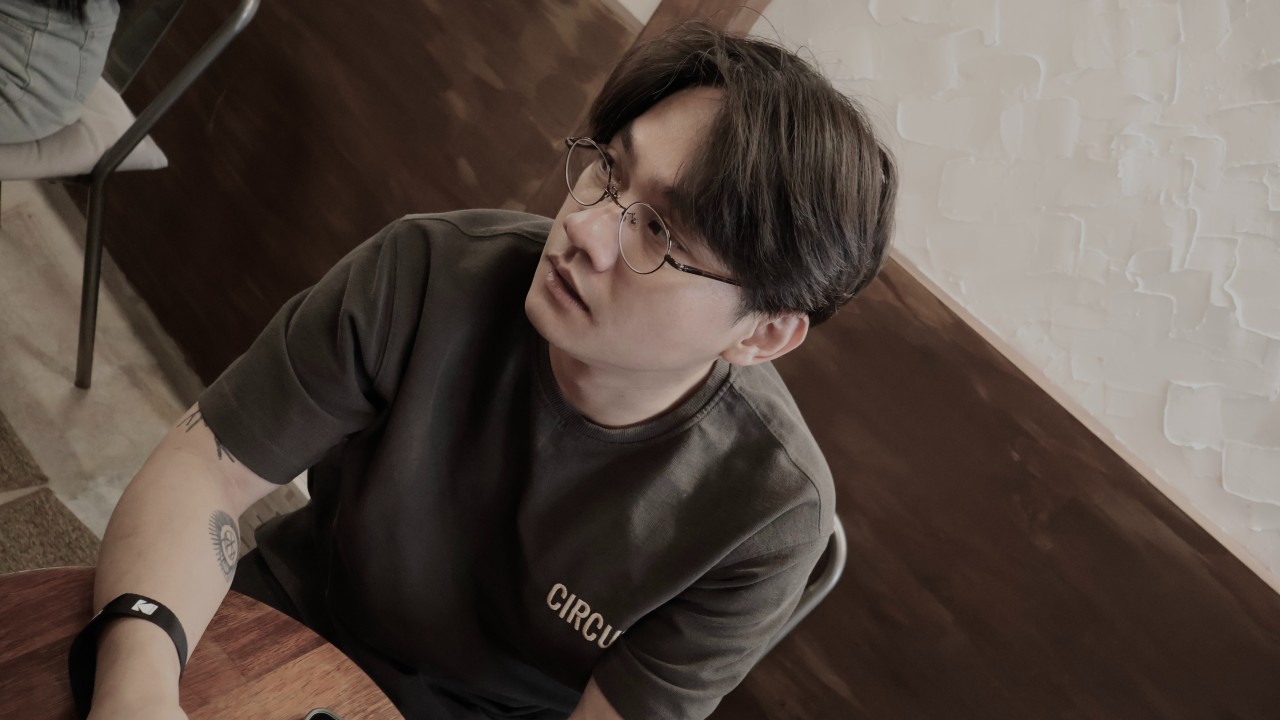
Hello to everyone who follows design and the creative industry. My name is Wynn Chen (Wei-Ming Chen), and I am from Taiwan. I serve as the Design Director at Does Visual Design Studio, which I co-run with my partner Joy Han, our Planning Director. Together, we focus on helping clients think, structure, and visually express their brand identity and related design assets.
I grew up in a rural village, and through a series of fortunate opportunities, I entered university majoring in Art History. Later on, I found myself increasingly drawn to design and creative practices, so I pursued a master’s degree in Visual Communication Design. Since then, I have continued learning, exploring, and working in the design field.
2. What does being recognised in the London Design Awards mean to you?
To me, this award is a meaningful affirmation of my long-term dedication to design, and it is also a recognition of our entire team. It feels truly special and rewarding that people from around the world can notice Taiwan’s design, and even our team’s work. It is both a wonderful experience and a source of pride.
3. How has this achievement impacted your career, team, or agency, and what opportunities has it brought so far?
We are now able to use the official London Design Awards badge to promote our work, which helps increase our credibility and strengthens client trust in our professional capability. It has already been a valuable opportunity for visibility and reputation building.
4. What role does experimentation play in your creative process? Can you share an example?
Experimentation is indispensable in every stage of our design process. We constantly challenge ourselves to introduce new visual thinking into different industries, especially traditional sectors or official institutions in Taiwan. We aim to balance traditional imagery with modern creativity.
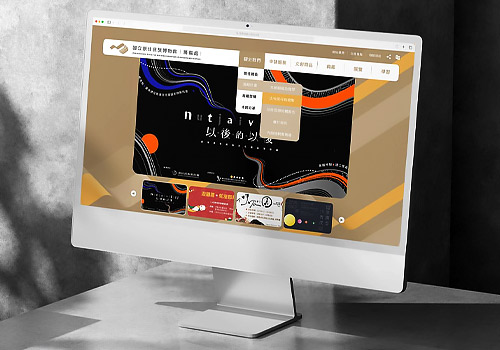
For example, in the visual identity design for the Preparatory Office of NMIP, visual identities for Taiwanese museums are generally built on traditional emblem structures. Instead, we transformed a series of abstract concepts into symbolic, minimal forms, developing a clean and contemporary visual identity system that still carries cultural meaning.
5. What's the most unusual source of inspiration you've ever drawn from for a project?
There were projects where our team reached a bottleneck while transforming symbolic concepts into visual form. Interestingly, inspiration sometimes came from unexpected details or accidental observations, which later became unique design breakthroughs and helped us create distinct visual identities for clients.
6. What’s one thing you wish more people understood about the design process?
Design follows a structured workflow—similar to many other industries—but with a higher level of uncertainty. That uncertainty brings the space for creativity, experimentation, and discovery. Design is a combination of professional expertise, aesthetic understanding, and accumulated experience. I hope more people will learn to respect and understand the true value that design brings.
7. How do you navigate the balance between meeting client expectations and staying true to your ideas?
We always devote substantial effort to communicating with clients and understanding their core spirit and the nature of their industry. We believe that deep communication and mutual understanding allow us to align our creative intentions with client expectations. This approach enables us to co-create meaningful and exciting design outcomes.
8. What were the challenges you faced while working on your award-winning design, and how did you overcome them?
Because the project is related to Austronesian cultural heritage, we could not focus solely on Taiwan’s perspective. The identity system needed to be understandable and resonant for people across different cultures. We went through continuous conceptual development, experimentation, and refinement, accompanied by ongoing communication with the client. Step by step, we resolved each challenge successfully.
9. How do you recharge your creativity when you hit a creative block?
I believe that life and work constantly influence each other. To maintain inspiration, it is essential to view life with openness and curiosity—to observe the world and appreciate its beauty. When I encounter a block, I like to take short trips, explore exhibitions, or simply immerse myself in different environments. These experiences recharge me and reopen the door to creative thinking.
10. What personal values or experiences do you infuse into your designs?
With a background in art history, I naturally pay attention to the origins, details, and cultural layers of visual forms. This allows me to approach concept development with a deeper analytical perspective. As a result, some of my design expressions and tone carry a unique conceptual character shaped by these experiences.
11. What is an advice that you would you give to aspiring designers aiming for success?
Keep observing the subtle details of the world, and continuously expand your thinking and understanding. Curiosity, openness, and reflection are essential to building a strong design voice.
12. If you could collaborate with any designer, past or present, who would it be and why?
I would choose Salvador Dalí, the surrealist artist. I have always admired his work deeply. Although the form of my design practice is quite different from his artistic expression, there is a shared fascination with symbolic transformation and conceptual internalisation. I would love to have had the opportunity to know him personally and explore his way of thinking.
13. What's one question you wish people would ask you about your work, and what's your answer?
I don’t have a specific question in mind that I wish people would ask. More precisely, I welcome all questions—because every question opens up a new perspective for deeper thinking. Rather than expecting particular questions, I enjoy discovering unexpected insights through different conversations and inquiries.