
2026
Geomancer
Entrant
Fujian Agriculture and Forestry University
Category
Conceptual Design - Gaming, AR & VR
Client's Name
-
Country / Region
China
Gallery
About The Entry
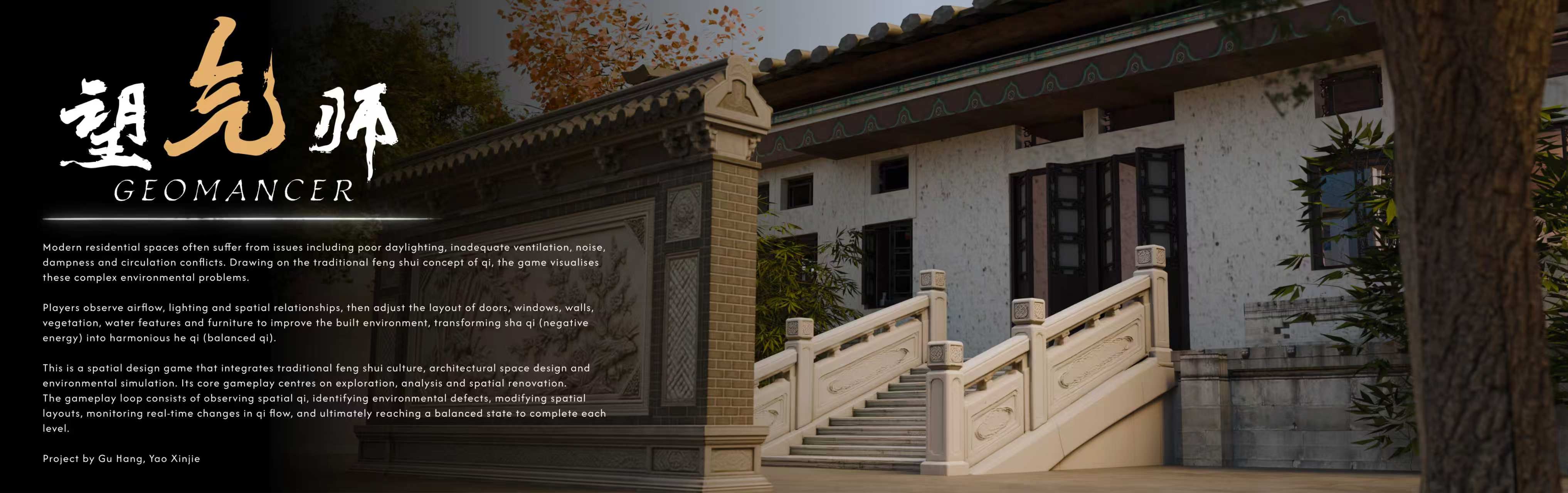
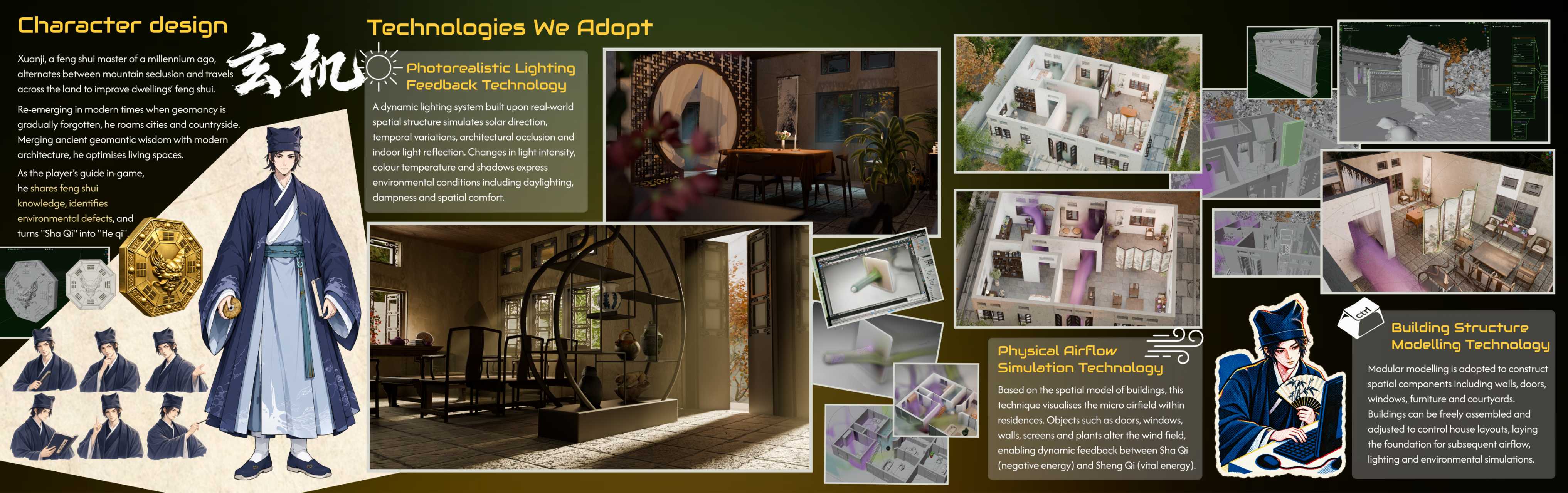
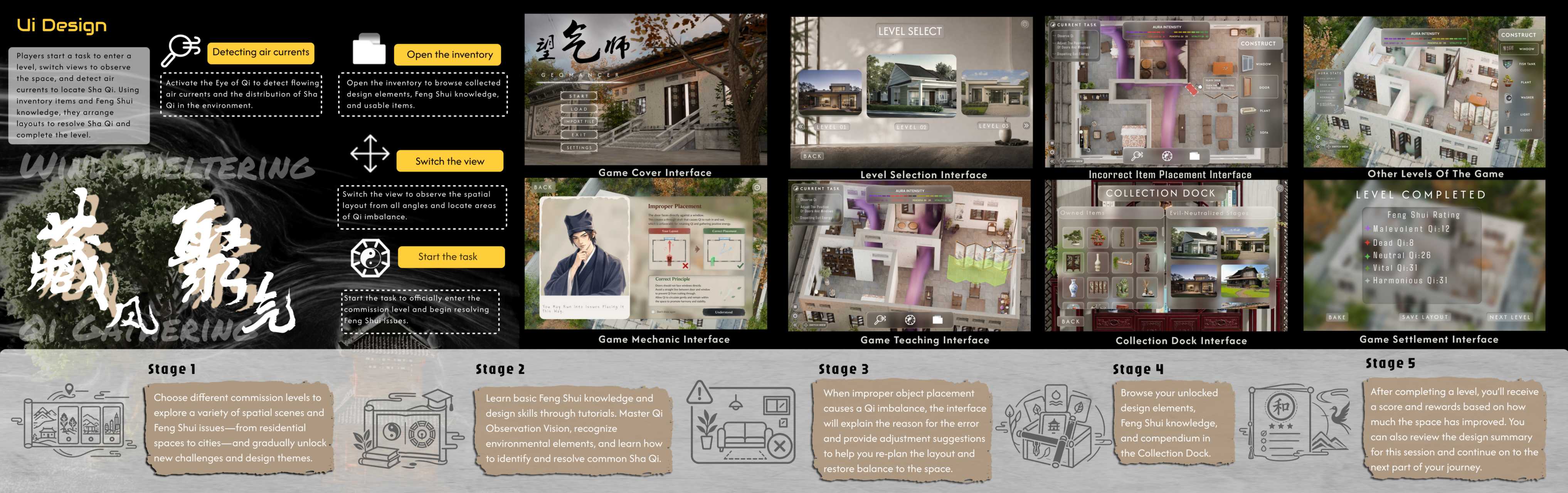
Modern residential spaces often suffer from issues including poor daylighting, inadequate ventilation, noise, dampness and circulation conflicts.Drawing on the traditional feng shui concept of “qi”, the game visualises these complex environmental problems.
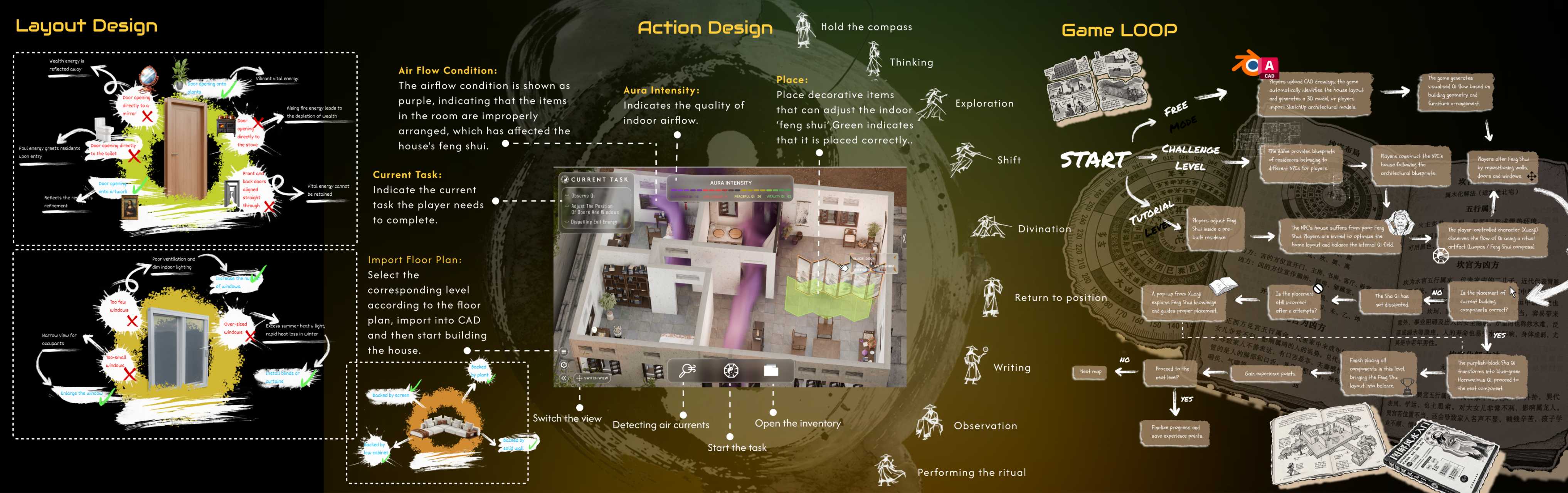
Players observe airflow, lighting and spatial relationships, then adjust the layout of doors, windows, walls, vegetation, water features and furniture to improve the built environment, transforming “sha qi (negative energy)”into harmonious “he qi (balanced qi)”.
This is a spatial design game that integrates traditional feng shui culture, architectural space design and environmental simulation. Its core
gameplay centres on exploration, analysis and spatial renovation.
The gameplay loop consists of observing spatial qi, identifying environmental defects, modifying spatial layouts, monitoring real-time changes in qi flow, and ultimately reaching a balanced state to complete each level.
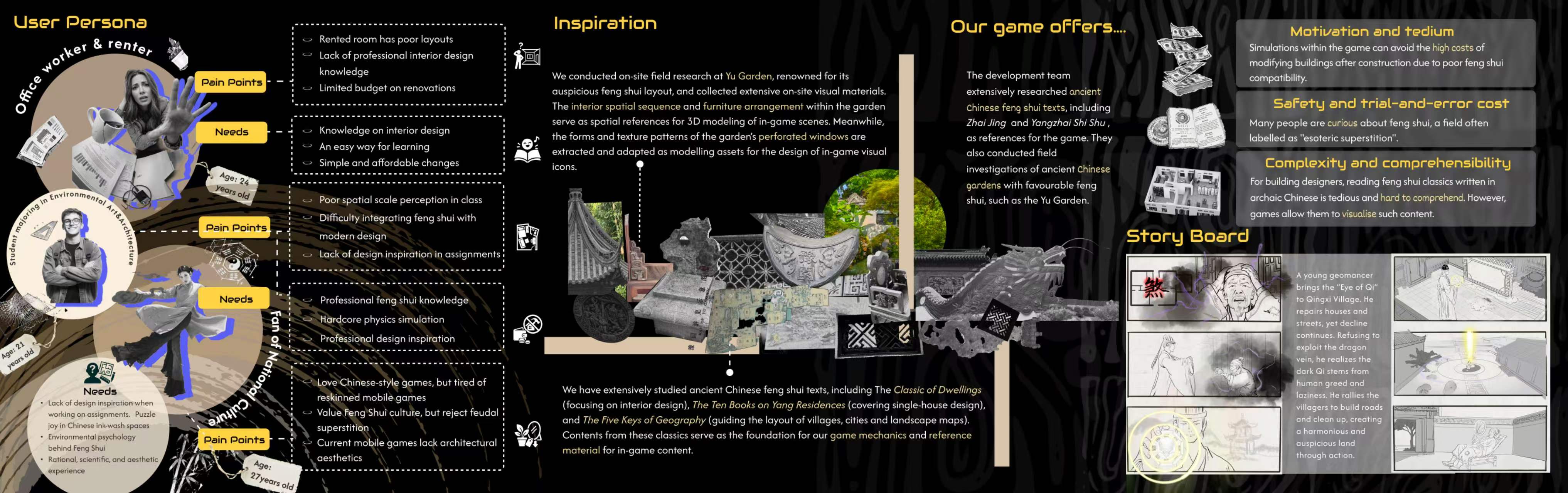
Motivation and tedium:
Simulations within the game can avoid the high costs of modifying buildings after construction due to poor feng shui compatibility.
Safety and trial-and-error cost:
Many people are curious about feng shui, a field often labelled as "esoteric superstition".
Complexity and comprehensibility:
For building designers, reading feng shui classics written in archaic Chinese is tedious and hard to comprehend. However, games allow them to visualise such content.
Project by Gu Hang, Yao Xinjie
Credits


Entrant
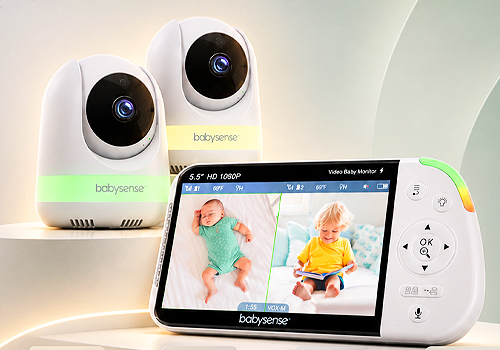
Babysense
Category
Product Design - Baby, Kids & Children Products

Entrant
Shenzhen Root Innovation Technology Co., Ltd.
Category
Product Design - Baby, Kids & Children Products