
2025
AI Education
Entrant
Baidu Online Network Technology (Beijing) Co., Ltd.
Category
User Experience Design (UX) - Business
Client's Name
-
Country / Region
China
Gallery
About The Entry
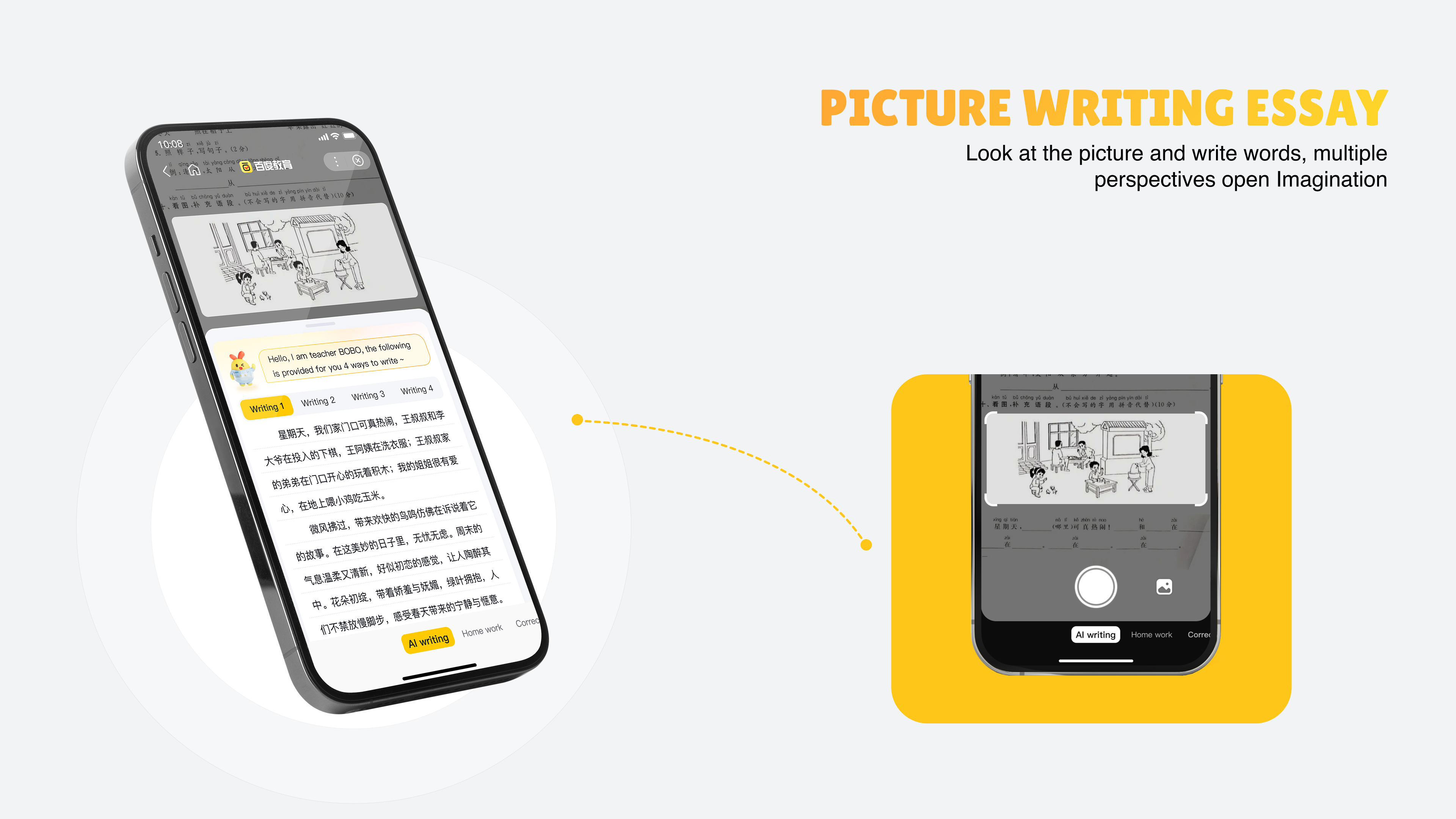
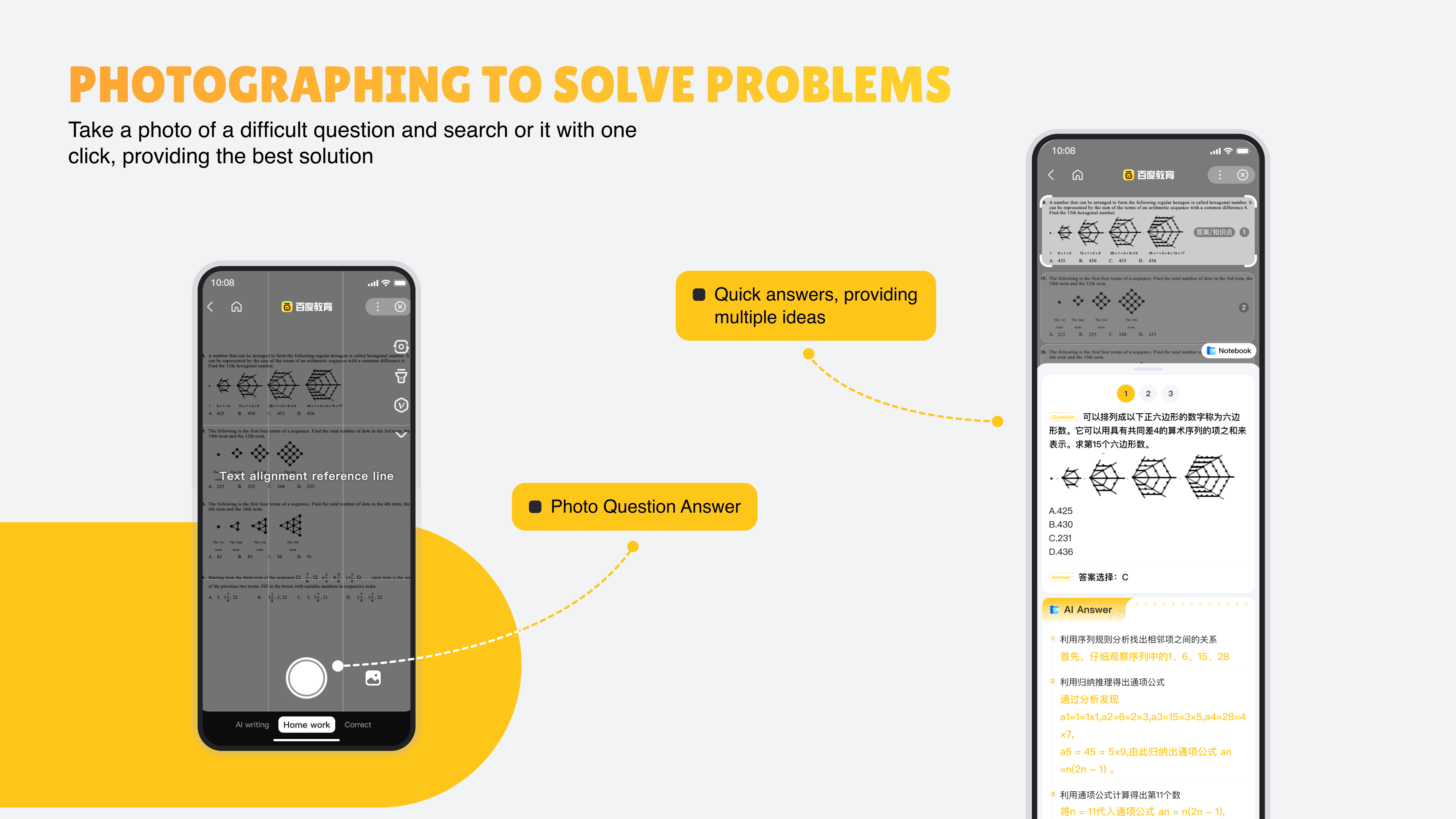
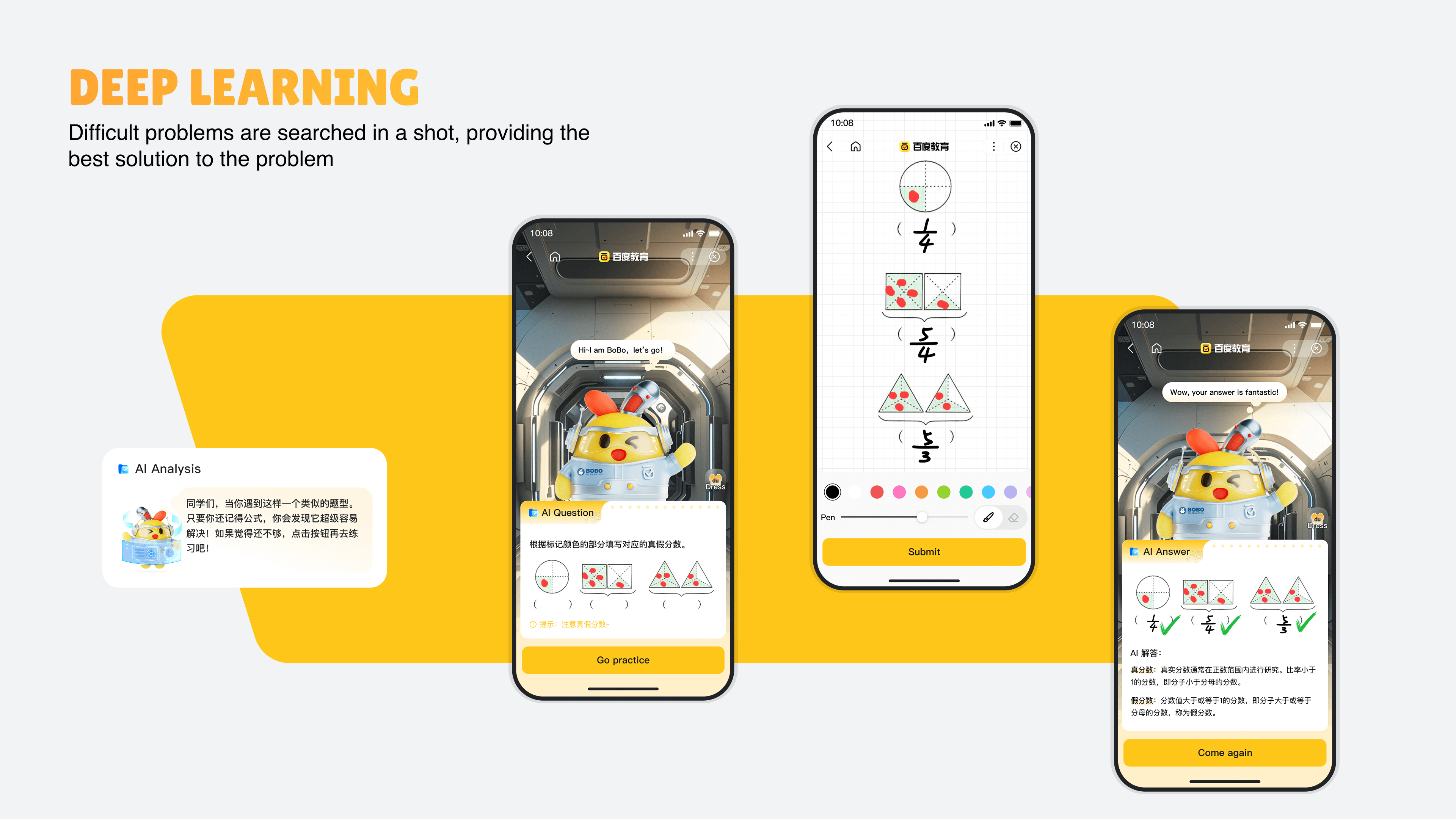
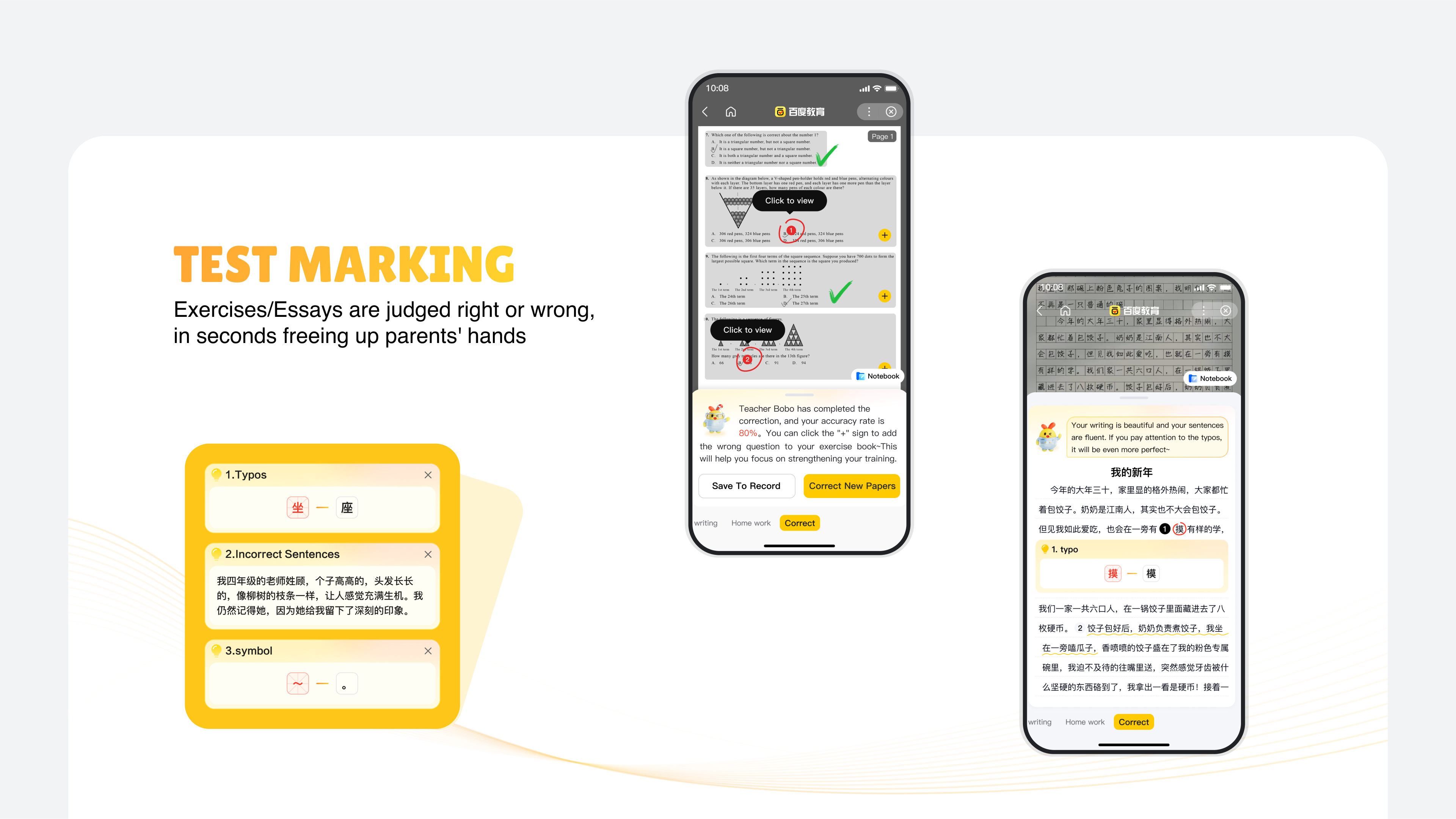
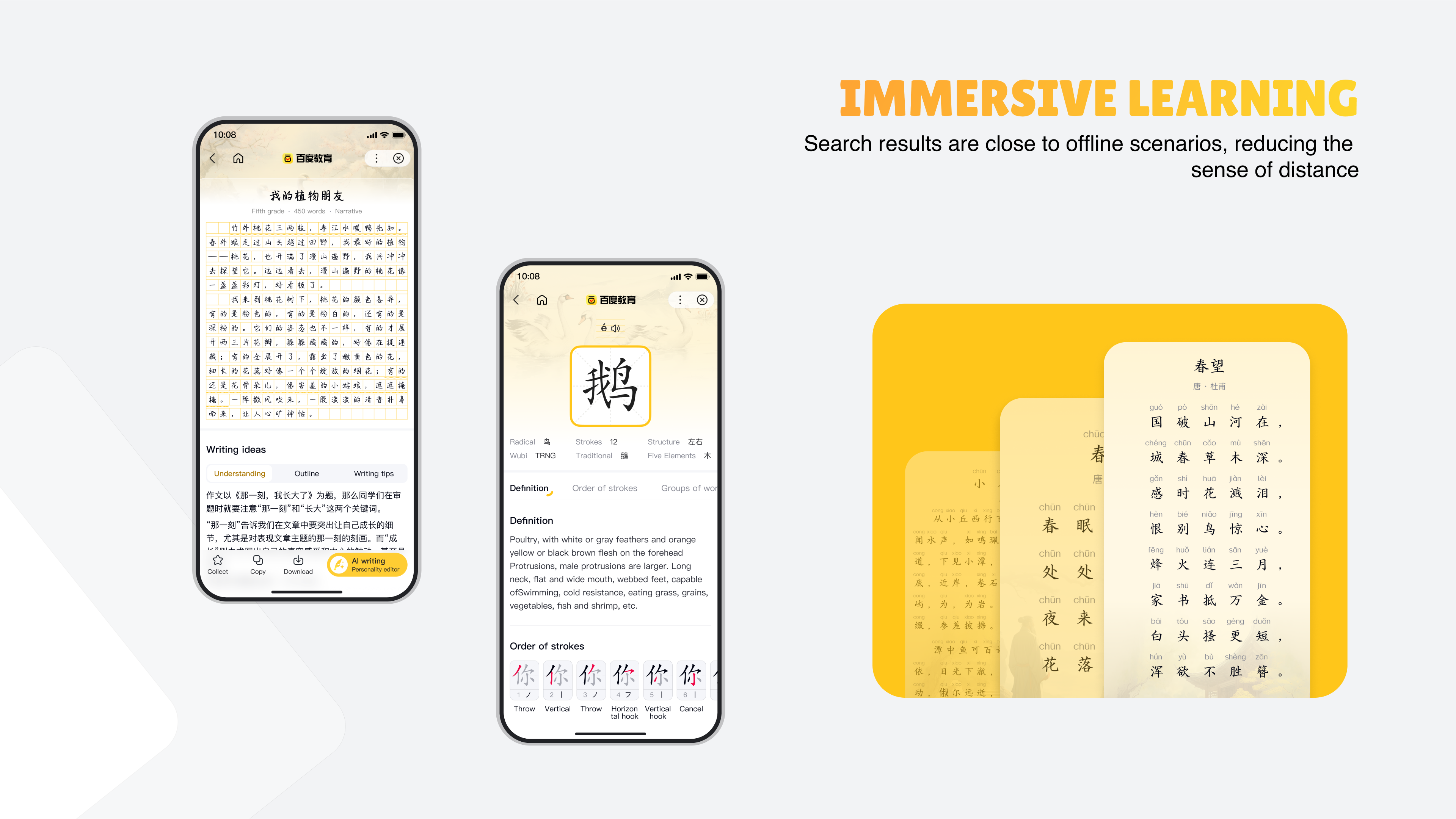
Leveraging search distribution and AI capabilities, the platform enables camera-based problem recognition and intelligent grading. Difficult questions can be addressed through one-on-one tutoring, while common mistakes are identified by knowledge points and organized into tailored practice sets for repeated drills. This not only eases the financial burden on learners but also promotes more inclusive access to K12 education. By contrast, most existing education products still rely on the traditional “big data question search and answer retrieval” model, which falls short of creating truly intelligent learning scenarios.
To address this gap and enhance both user experience and engagement, the platform has developed its own AI-trained question bank. When users upload a problem image, the system consolidates related question types into the database. It also supports multimodal input—including text, sketches, and handwriting—making content entry more flexible and efficient. AI can interpret hand-drawn inputs, provide correct answers, and deliver real-time, accurate, and empathetic feedback. By simply taking a photo, users can transform complex learning needs into streamlined inputs, with AI instantly generating high-quality outputs and corrections, significantly boosting efficiency compared to manual descriptions or offline grading.
On the analytics side, AI collects and evaluates student data—including learning habits, knowledge mastery, and progress—to create individualized learning profiles. These profiles enable teachers to better understand each student’s strengths and weaknesses, supporting more precise teaching strategies. Based on these insights, AI also designs personalized study paths and resources, avoiding the “one-size-fits-all” approach of traditional education, and making learning more targeted and effective.
Beyond personalization, AI helps bridge educational inequality by distributing high-quality resources from developed regions to under-resourced areas, narrowing the urban-rural gap and allowing more students to benefit from premium education. It also provides tailored support for learners with special needs—such as those with disabilities or learning difficulties—fostering more equitable opportunities in education.
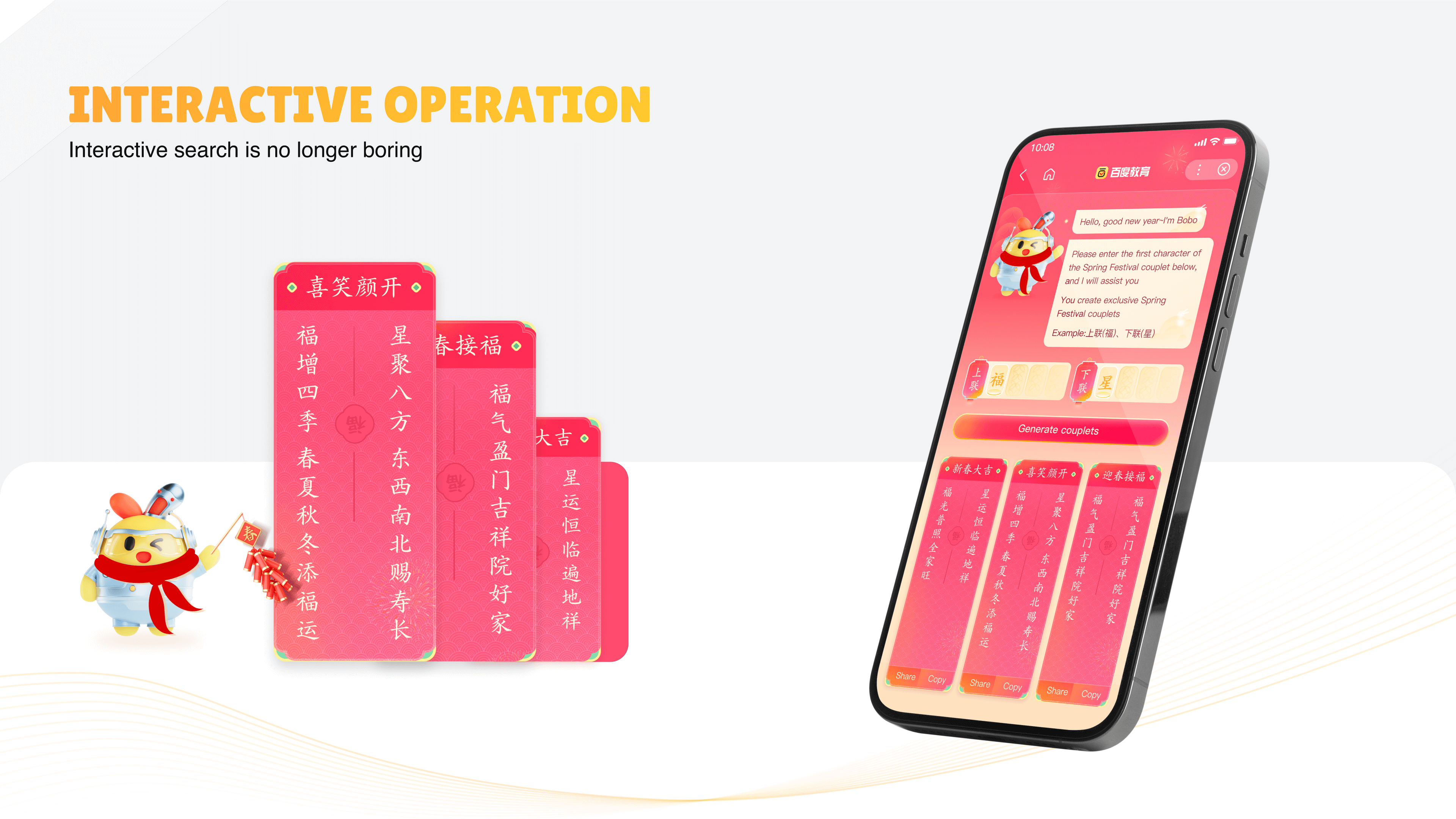
In addition, AI can generate inspiring and creative content that sparks innovation, offering guidance in areas such as writing or design to nurture students’ creativity. It also enables cross-disciplinary integration, breaking down subject boundaries and encouraging the application of multi-domain knowledge to real-world challenges.
Credits

Entrant
Taizhou Four By Four Brand Management Co., Ltd.
Category
Product Design - Accessories

Entrant
Shenzhen Amazwear Technology CO., LTD.
Category
Product Design - Wearable Technologies

Entrant
WEIWU Interior Design Ltd.
Category
Interior Design - Commercial

Entrant
Parks and Street Lights Office, Public Works Department, Taipei City Government
Category
Communication Design - Cultural Tourism Branding & Urban Activation