
2025
A Living Archive
Entrant
University College London
Category
Architectural Design - Urban Design
Client's Name
Academic Project
Country / Region
United Kingdom
Gallery

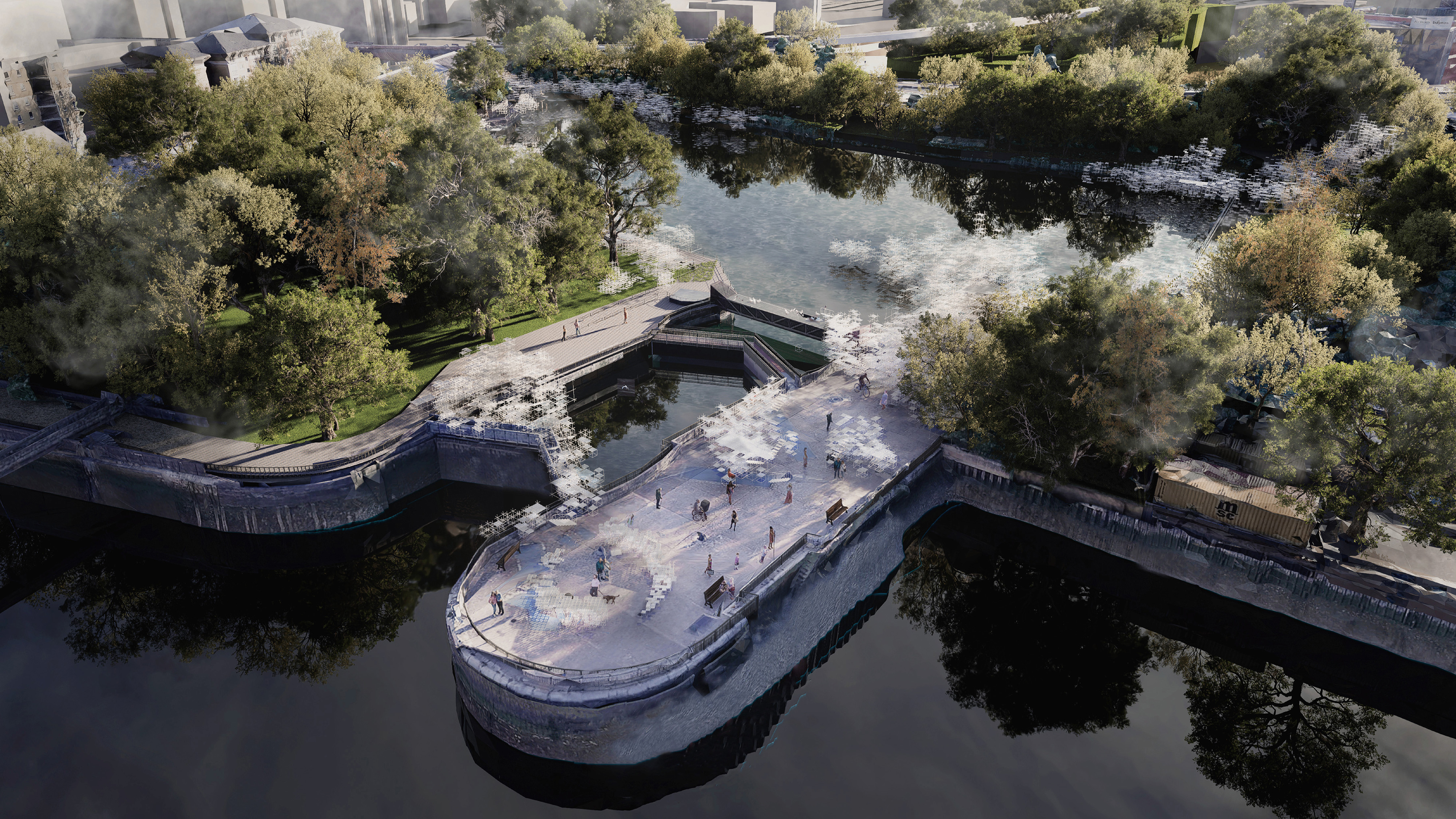
About The Entry
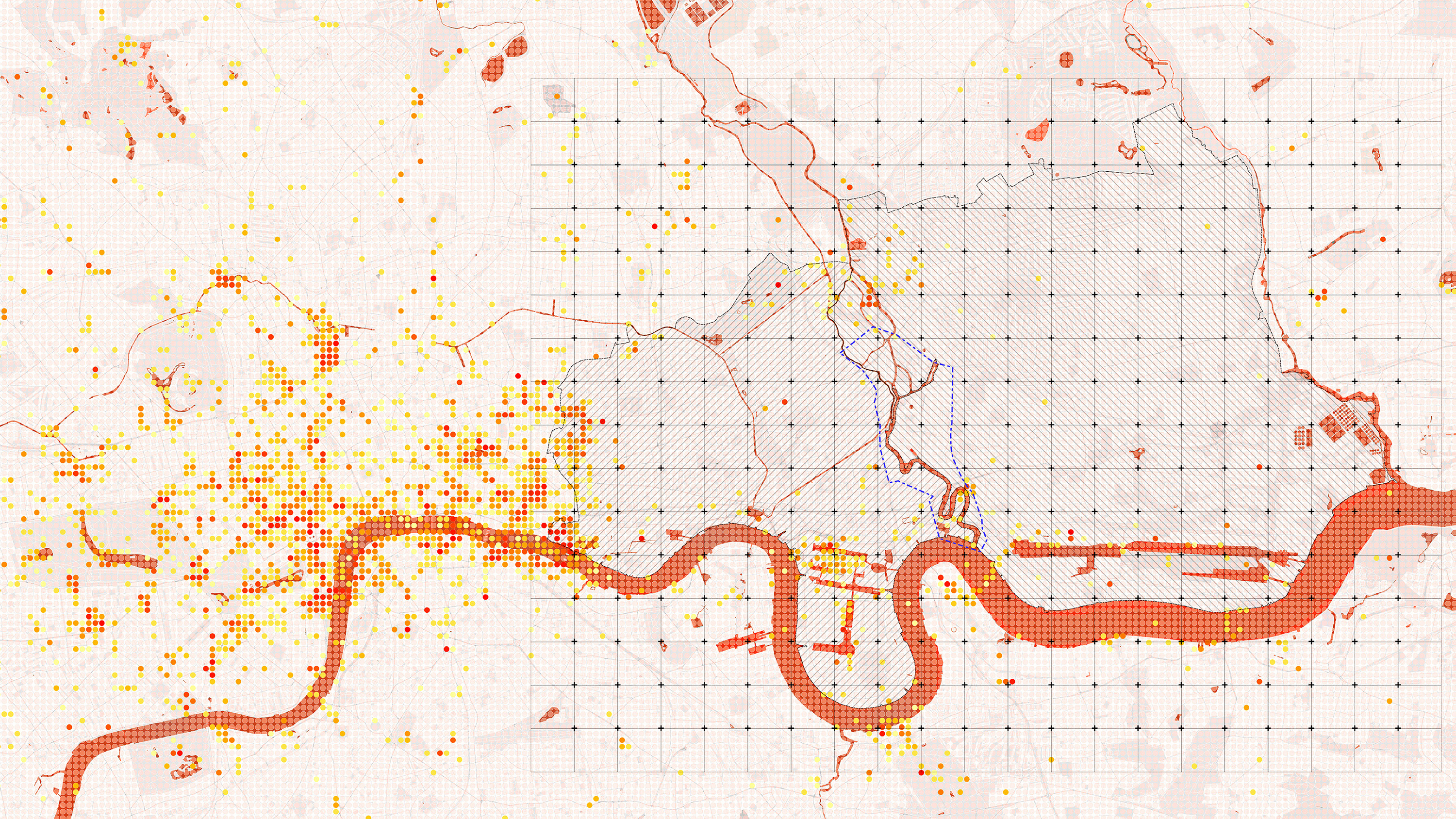
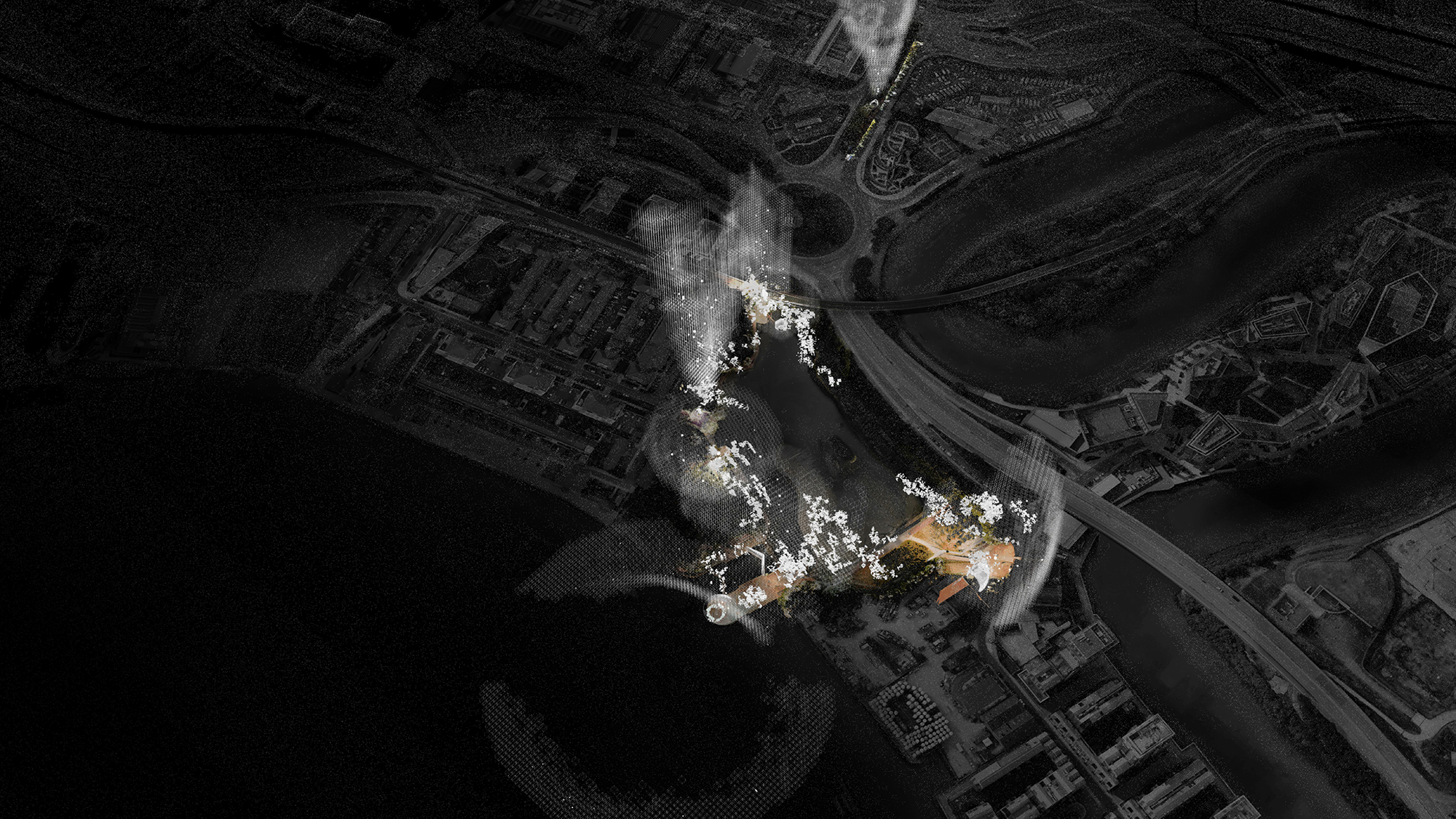
The work explores how the layered histories of Leamouth can be reactivated through participatory spatial recollection—where visitors engage with the site’s past through movement and storytelling, turning memory into a shared and embodied experience. Despite the site’s central role in the operations of the East India Company and British colonial expansion, much of this past remains unacknowledged or forgotten in the contemporary urban landscape. Mainstream redevelopment strategies often reinforce mechanisms of compression and erasure, rather than engaging with such complex histories.
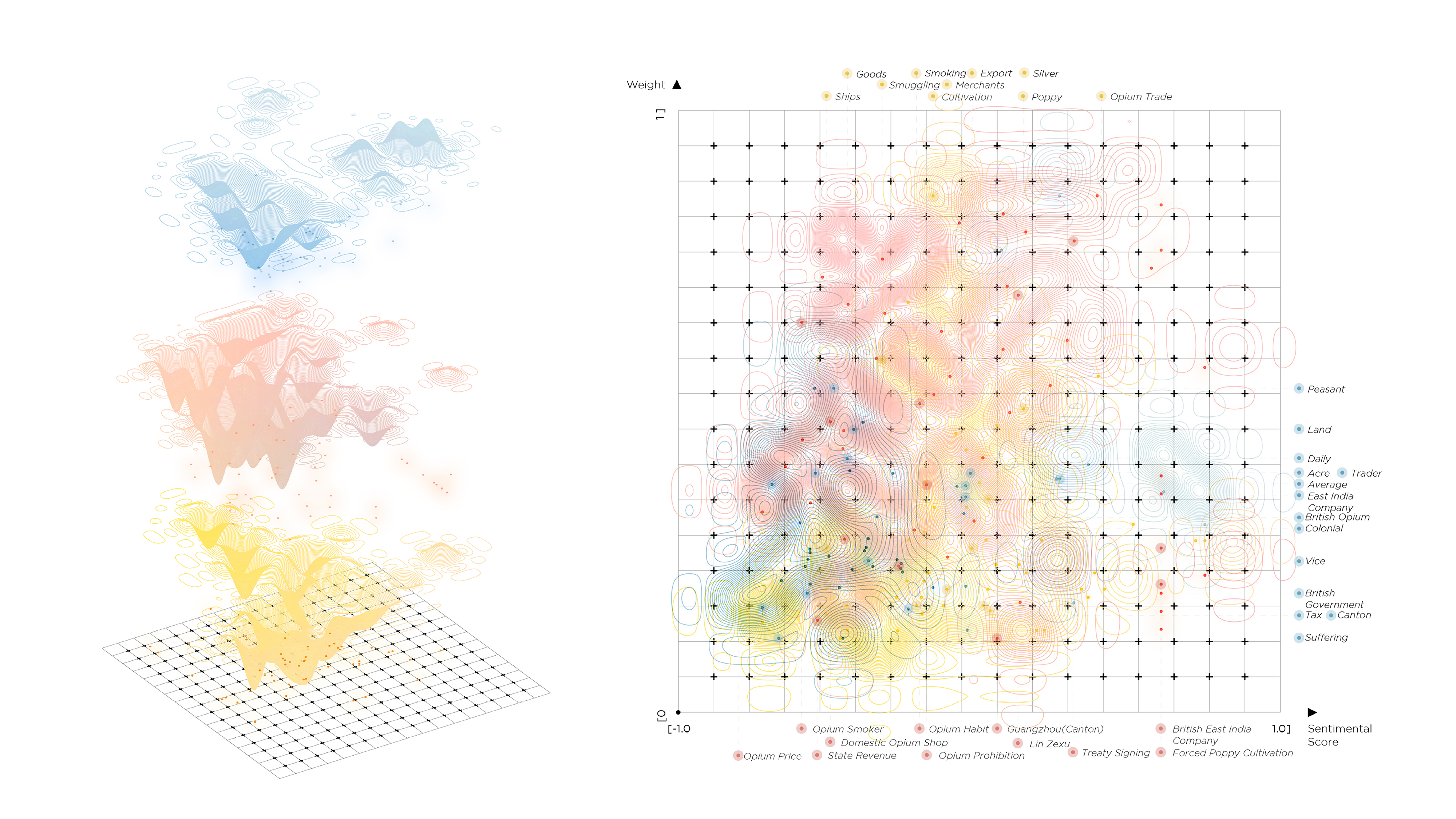
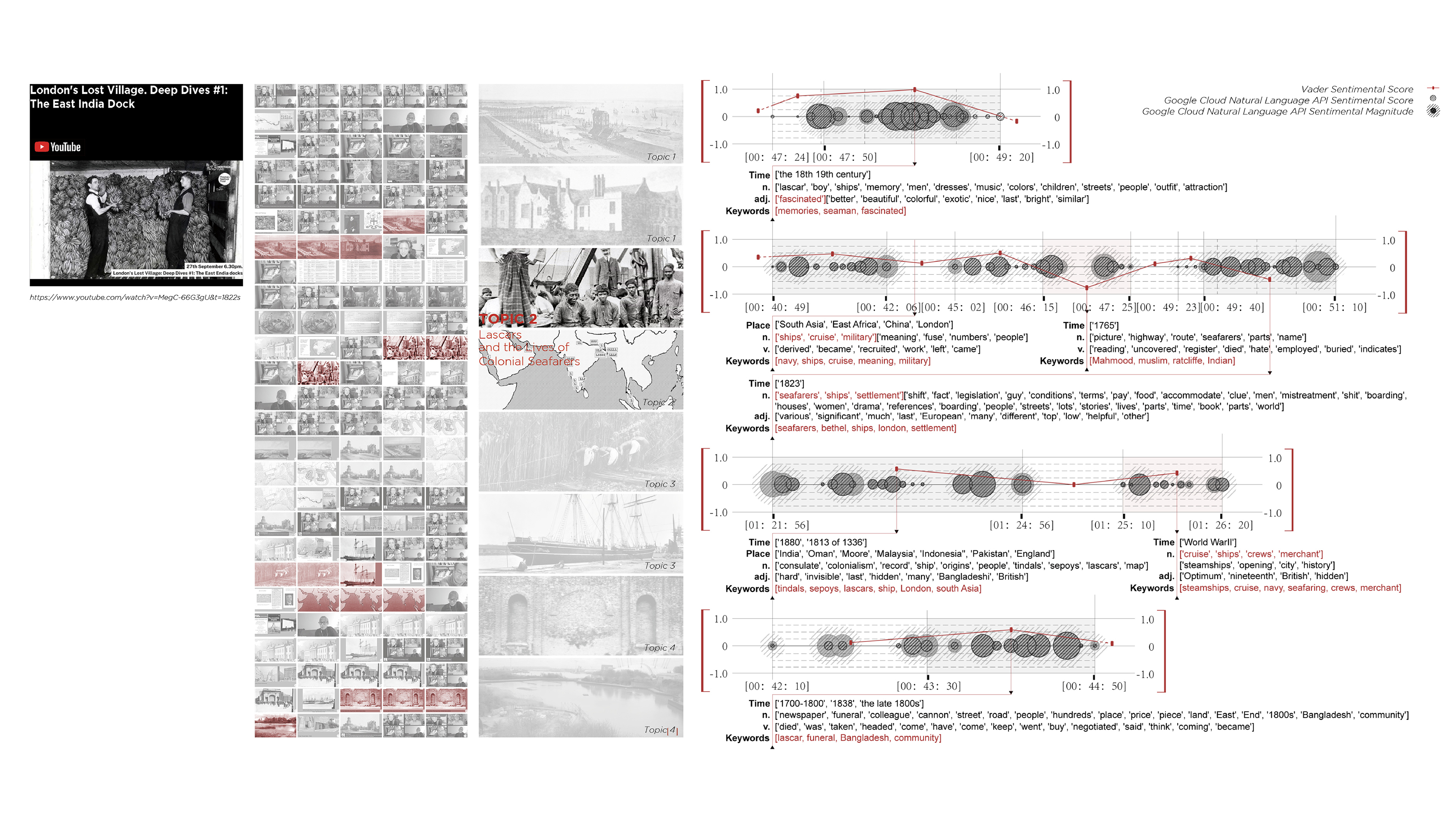
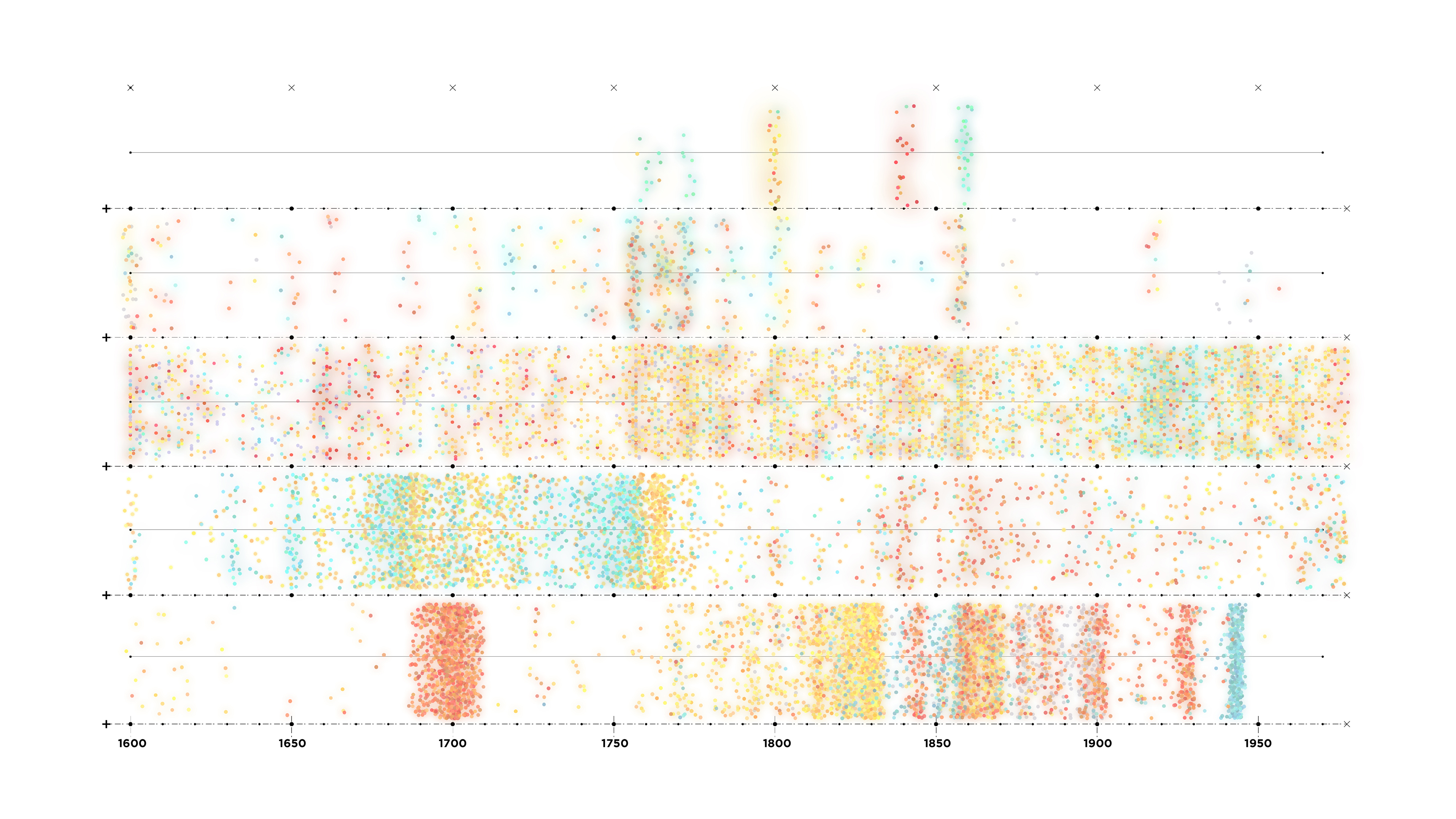
Drawing on Rothberg’s theory of multidirectional memory, the project investigates how culturally diverse historical narratives of the site might be experienced by broader audiences. To this end, the group analysed a wide range of historical literature—spanning academic research and curricular textbooks—from British, Indian, and Chinese perspectives, using text-based sentiment analysis to visualise cultural differences in tone and framing. This was complemented by video content analysis, which revealed how individuals may respond differently to visual representations of history. Fieldwork combining biometric sensing with in-situ interviews and walk-alongs added further layers to their understanding of local stories and emotional connections to the place.
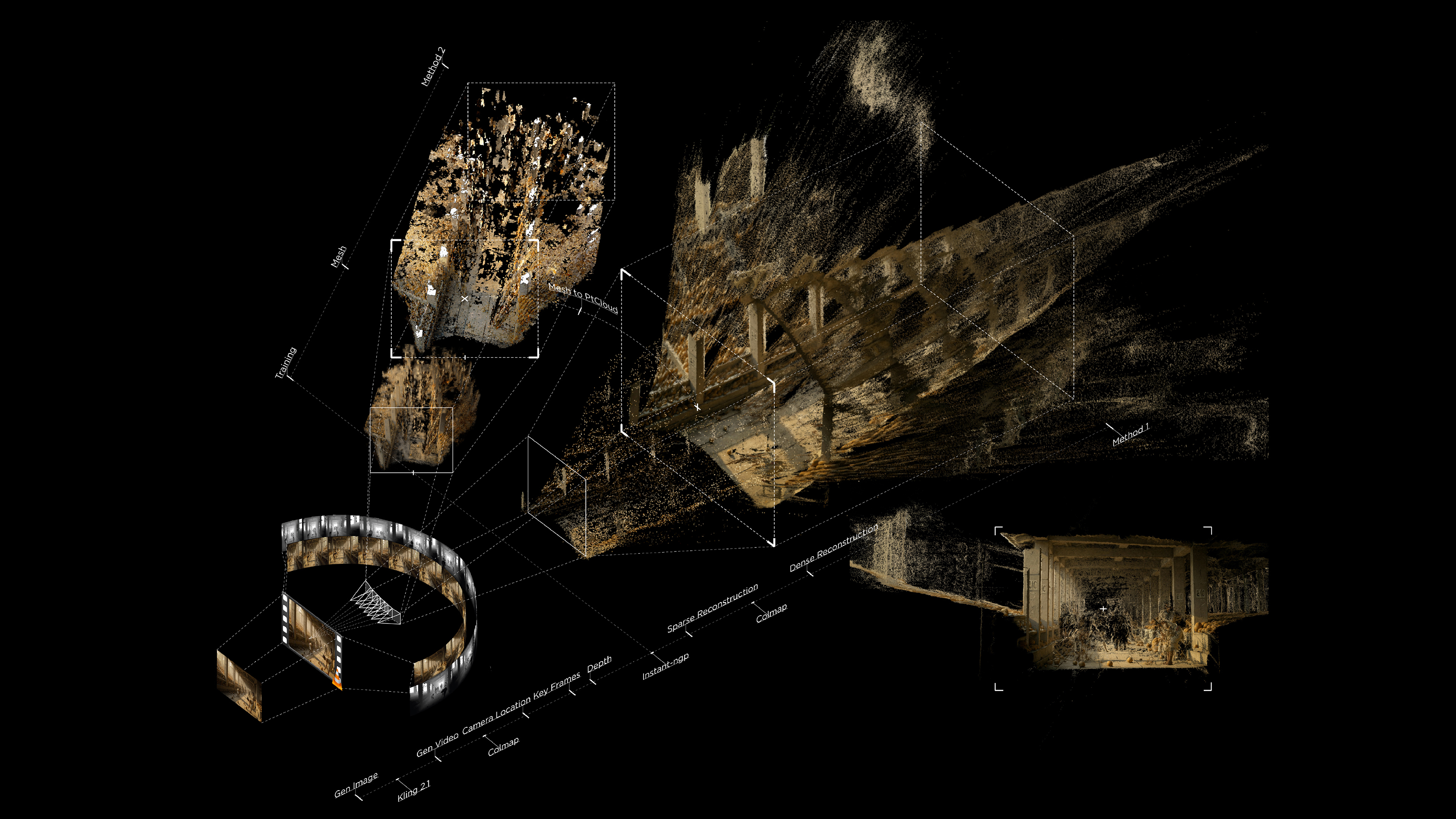
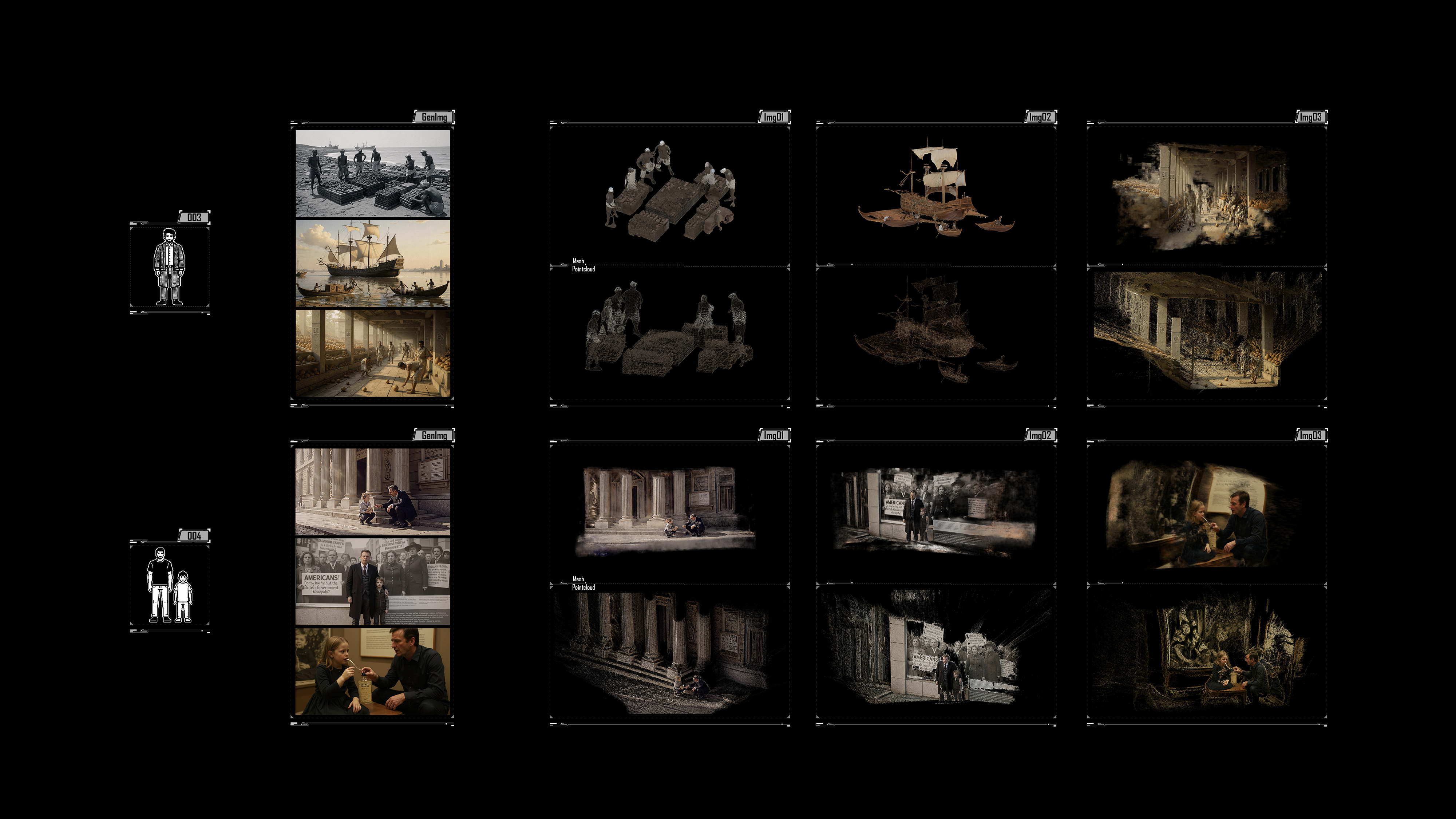
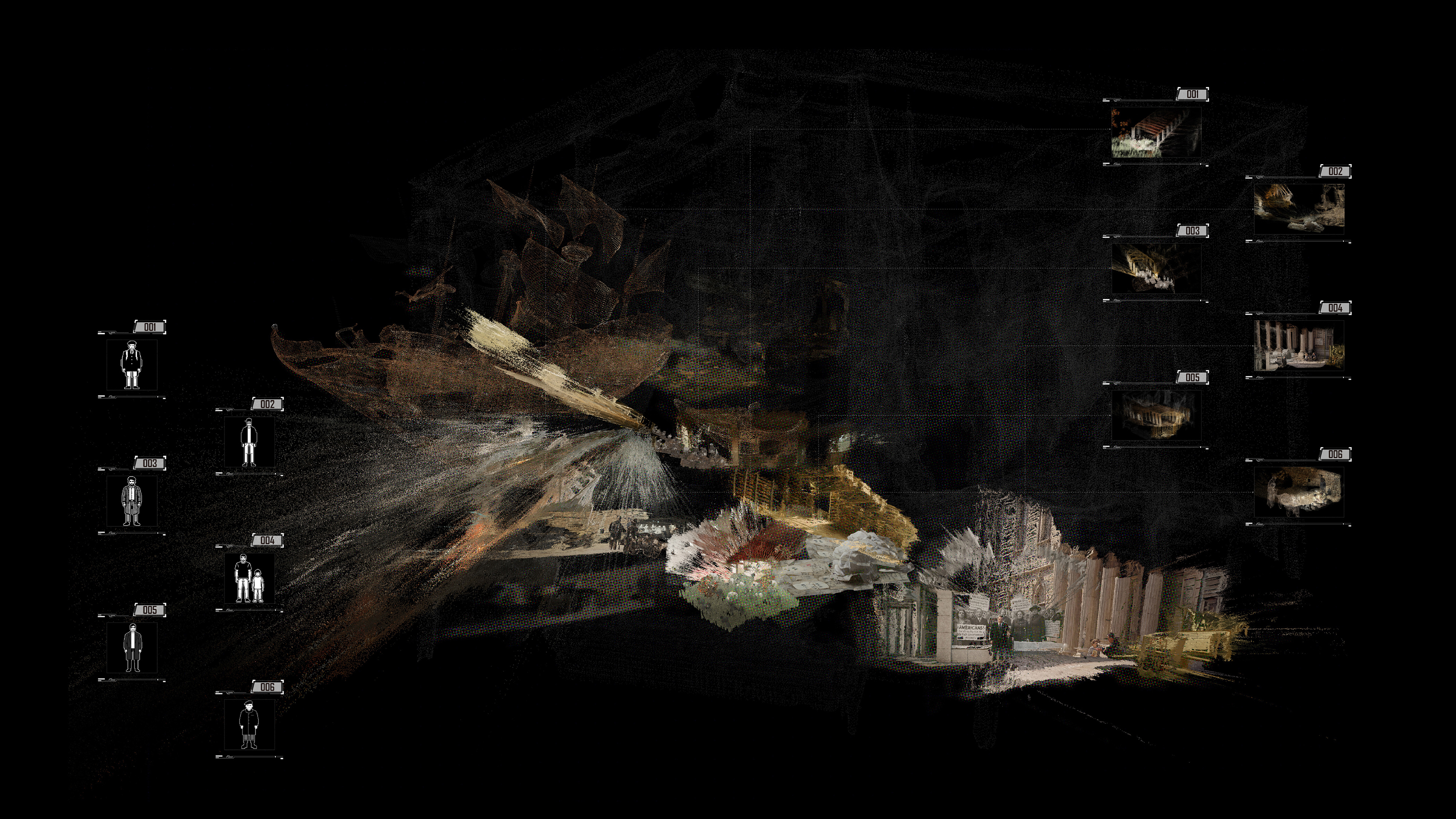
The project proposes a situated “living archive”: a participatory system combining an online platform with augmented-reality access points embedded in the docks. Residents and visitors explore the site’s layered histories and, as they move through the area, access a multicultural catalogue of archival materials—expressed as spatialised virtual constructs. Simultaneously, they contribute their own experiences to the archive, enriched by biometric input gathered during their visit. These contributions add an affective layer to the materials so that, as the archive grows, future users can navigate its content through the embodied perspectives of others.
Rather than treating the archive as a fixed repository, the project frames it as an active, open-ended spatial practice—embedding emotional response, lived experience, and overlooked narratives into the future development of East India Dock.
Credits
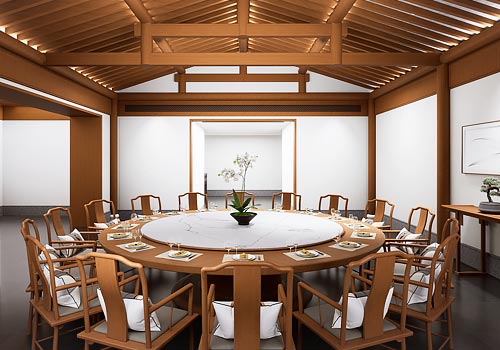
Entrant
LIN QUAN STUDIO
Category
Interior Design - Lounge Area
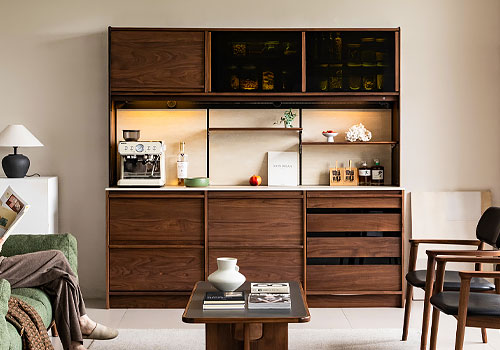
Entrant
Hangzhou Houmen Cultural and Creative Co., Ltd.
Category
Product Design - Furniture

Entrant
LAIPIC TECHNOLOGY AND CULTURE PTE. LTD. / Shenzhen InnAlO Intelligent Equipment Co.,Ltd
Category
Product Design - Smart Technologies