2026
Lost Shtetl Museum
Entrant
Ralph Appelbaum Associates, Inc.
Category
Interior Design - Museum
Client's Name
PUBLIC ESTABLISHMENT “LOST SHTETL” - MUSEUM OF SEDUVA JEWISH HISTORY
Country / Region
Lithuania
Gallery




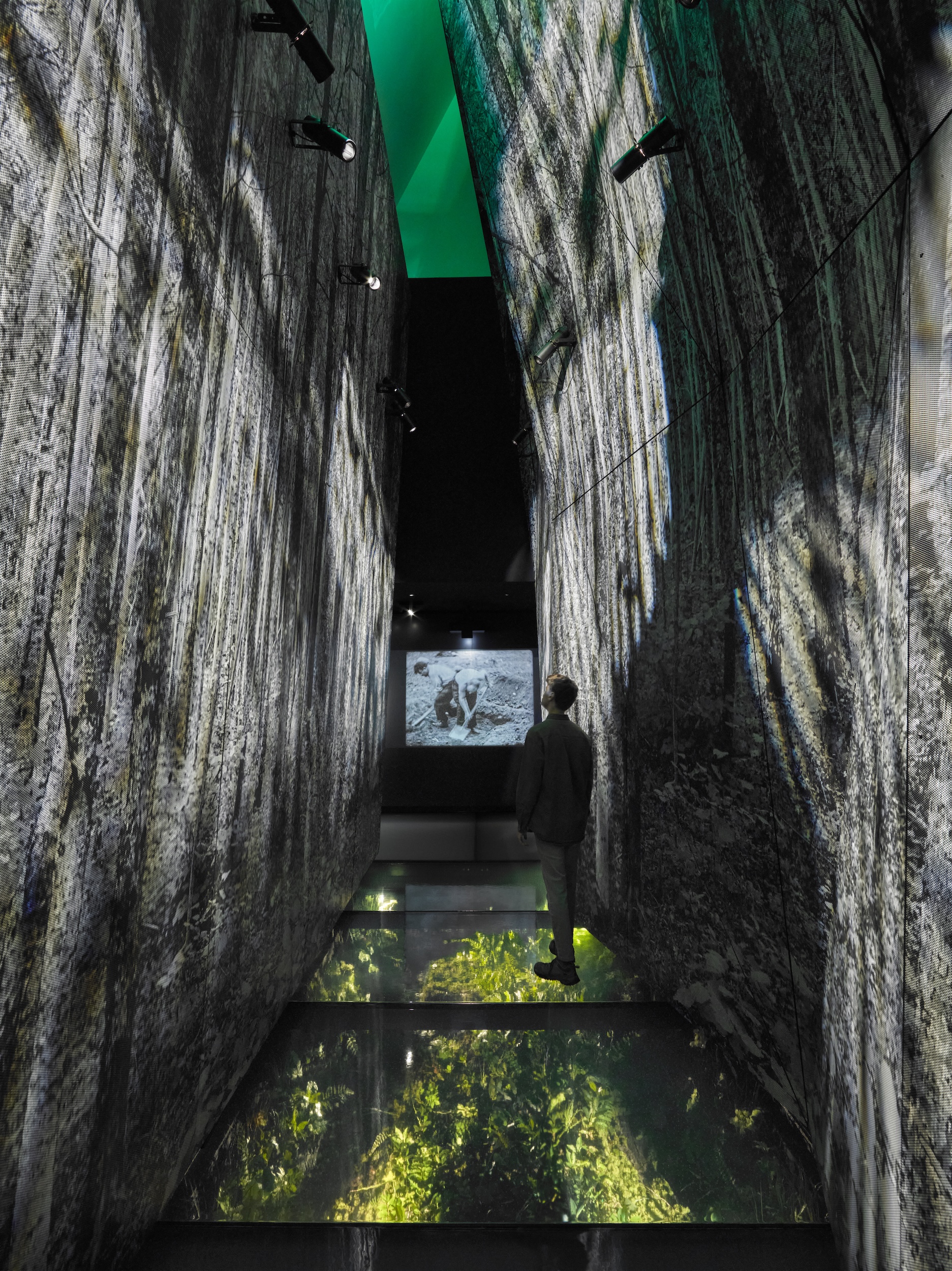

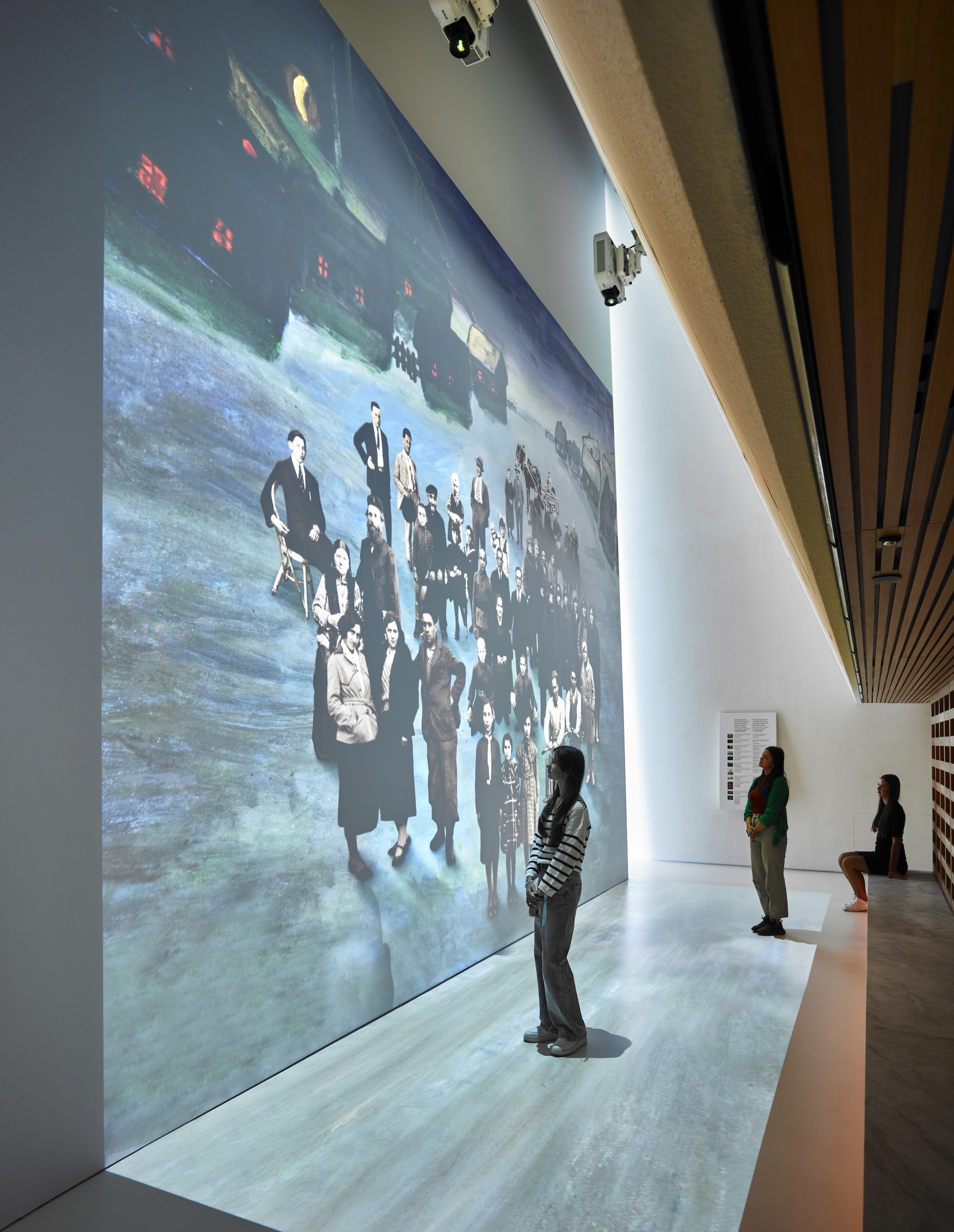
About The Entry
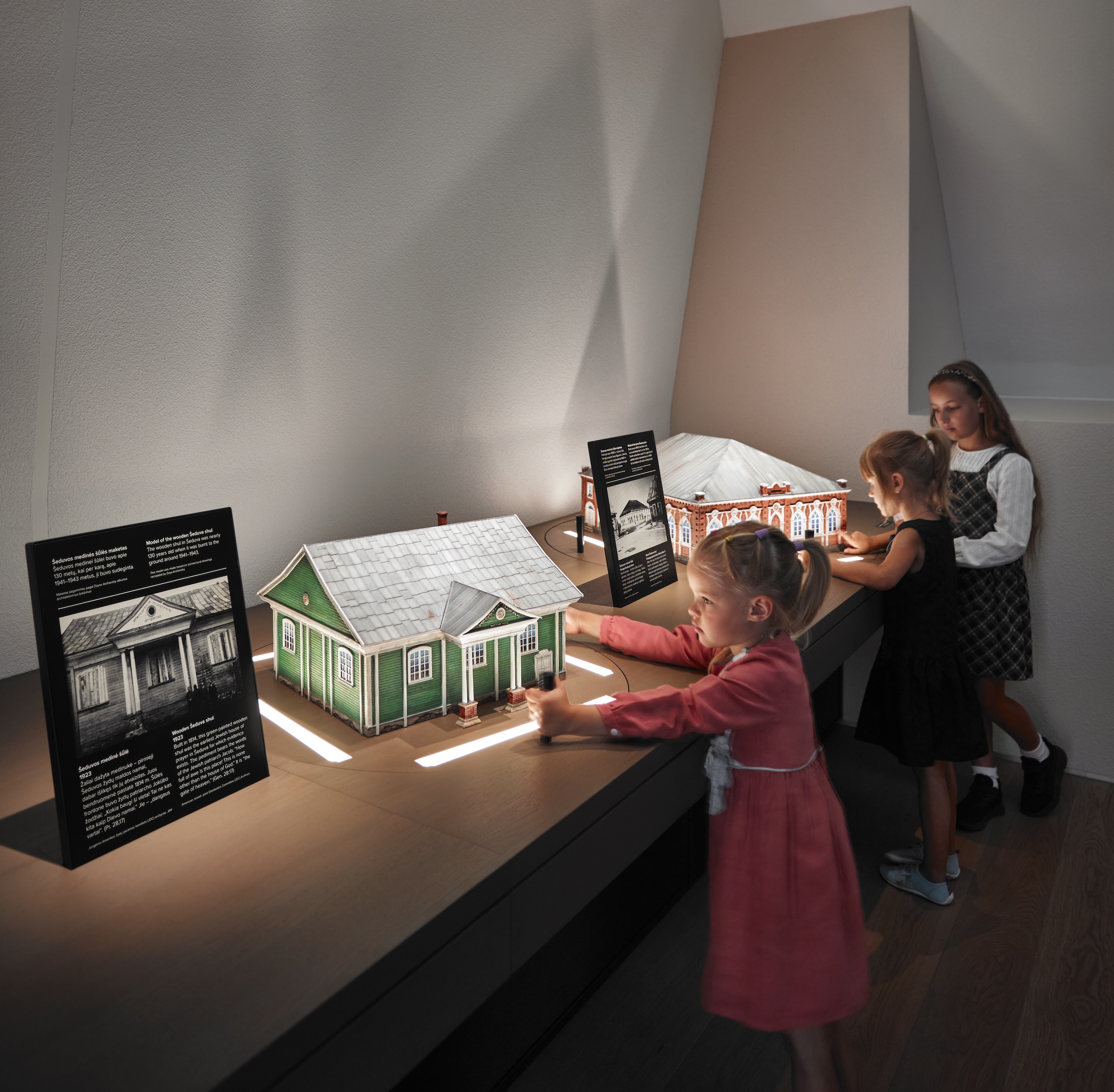
The Lost Shtetl Museum invites visitors to rediscover the vanished world of Eastern European “shtetls” or small Jewish towns. The exhibition tells the stories of the shtetl Šeduva, Lithuania preserved by survivors and descendants. It explores the interwar years (1918-1940), when religious, civic, social and commercial life thrived. Sadly, this era also marked the final chapter of Jewish life in Šeduva and Lithuania. Rooted in one small town, the museum offers a powerful lens on the broader history and massacre of Lithuanian and European Jews.
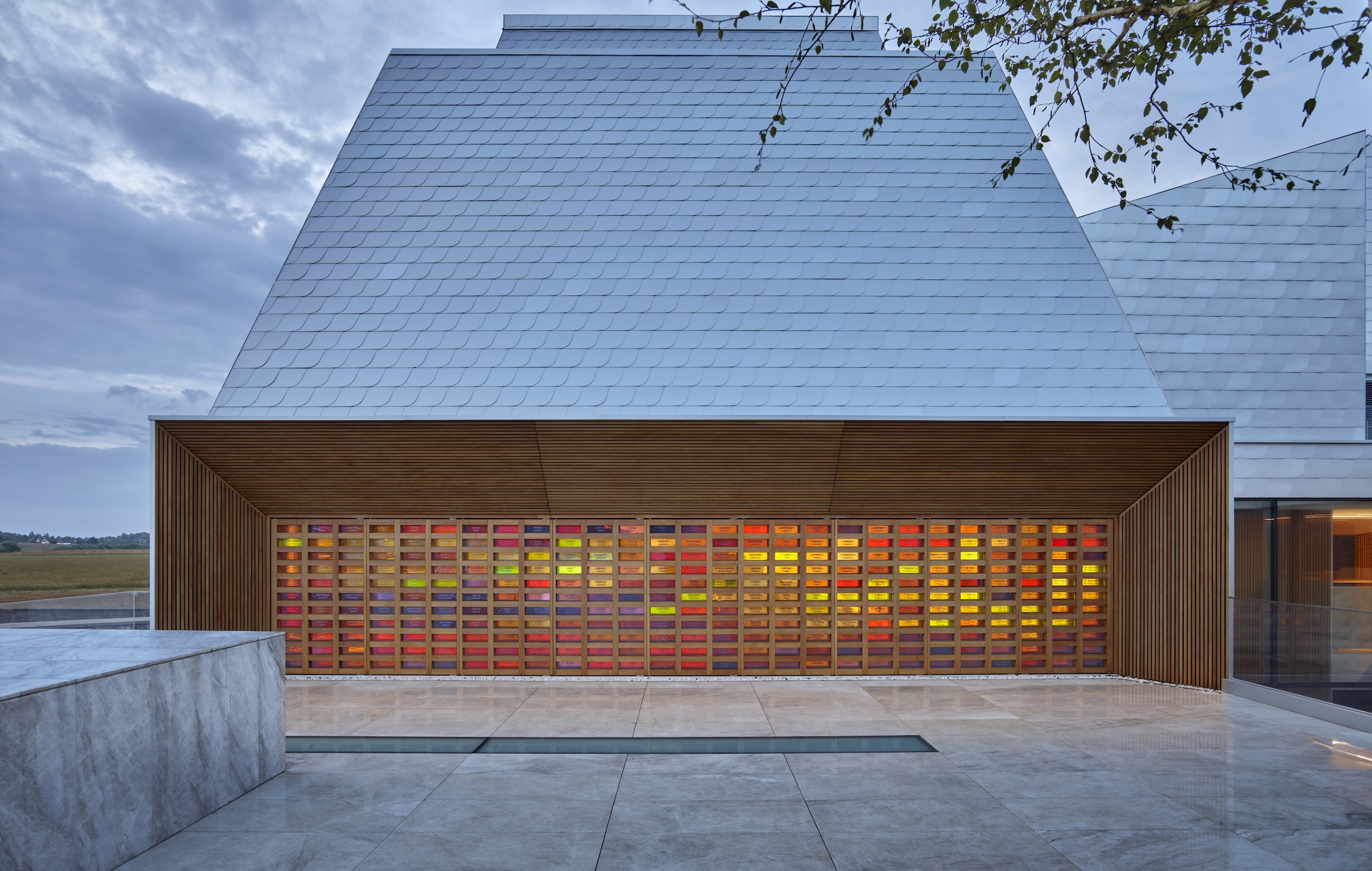
The Lost Shtetl was created by an international team of curators, designers, builders, and experts. Architect Rainer Mahlamäki (Lahdelma & Mahlamäki Architects) drew inspiration from the surrounding landscape and the simple, saddle-roofed forms of traditional buildings to imagine a shtetl re-emerging from the land. The museum rises from Lithuanian farmland before a restored Jewish cemetery. Its anodized aluminum shingle façade catches and reflects the light, allowing the building to seemingly vanish and reappear in shifting weather.
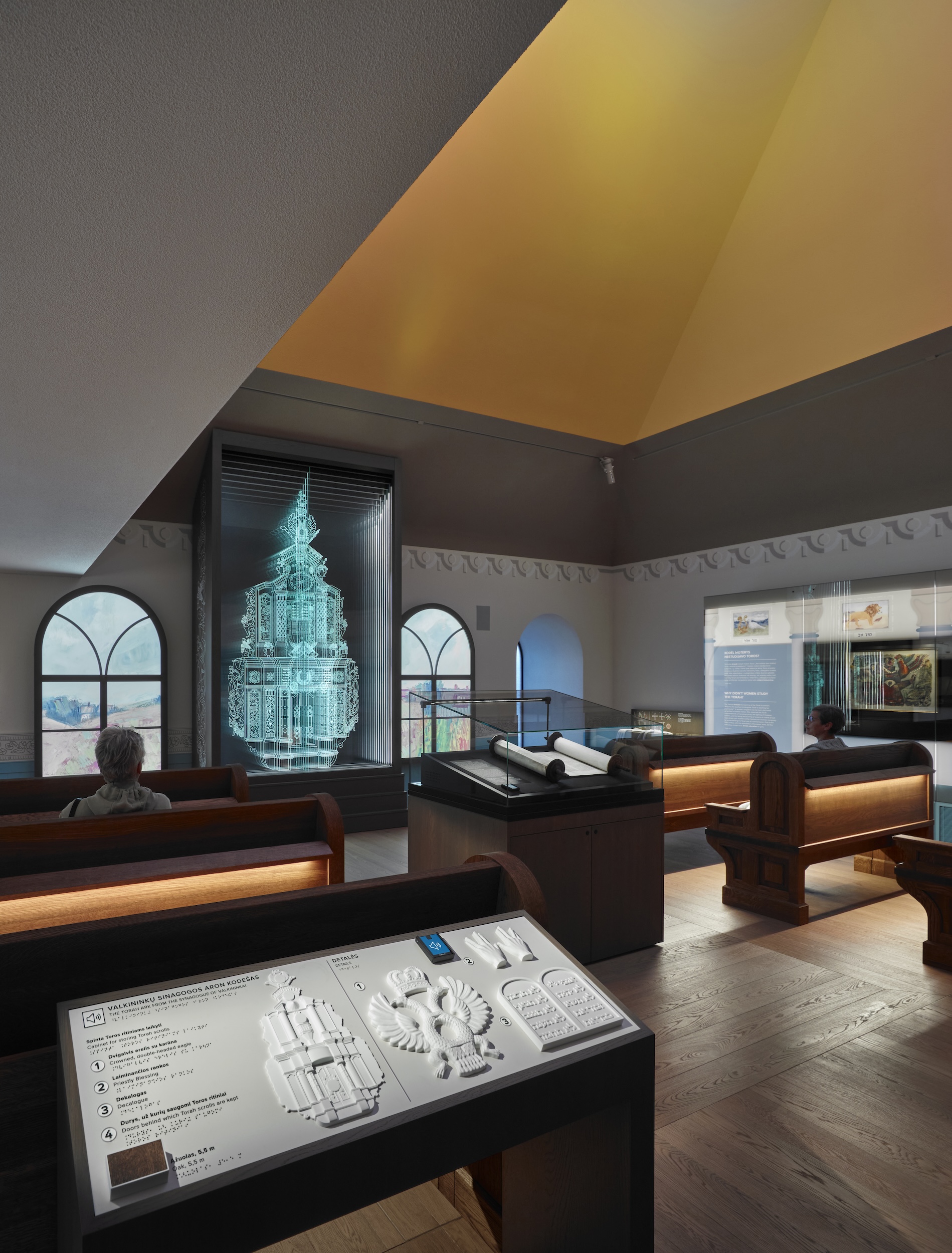
The exhibitions were custom-designed to reflect and honor this unique history. Main galleries celebrate the richness of shtetl culture, with design elements that subtly reference absence and memory. Media experiences include cinematic displays of shtetl life and celebrate Litvak culture. The museum serves as a memorial to over 600 Jews of Šeduva and almost 200,000 Jews of Lithuania, an overwhelming majority of whom perished during the Holocaust.
The journey begins in the world of the shtetl, radiant with community life, culture and tradition, while grounded in history: invasion, occupation, and the Holocaust that silenced Šeduva’s Jewish community. From this loss, remembrance emerges, where names preserve the memory of Šeduva’s Jews and all Lithuania’s lost shtetls. In the final chapter of the exhibition, images and paintings summon the community one last time, inviting reflection, before giving way to the Canyon of Hope, which overlooks the restored cemetery—a space of silence, resilience, and renewal.

Entrant
Baidu Online Network Technology (Beijing) Co., Ltd.
Category
User Interface Design (UI) - User Interface


Entrant
YEN TING CHO Studio
Category
Fashion Design - Scarves, Ties, Hats, Gloves