
2026
Reimagining Faith: Lighting and Community at Lecheng Temple
Entrant
LEGAL FOUNDATION TAICHUNG LEH CHERNG TEMPLE / TACC DESIGN STUDIO / FantasyStory Inc.
Category
Landscape Design - Cultural Heritage Design
Client's Name
-
Country / Region
Taiwan
Gallery



About The Entry
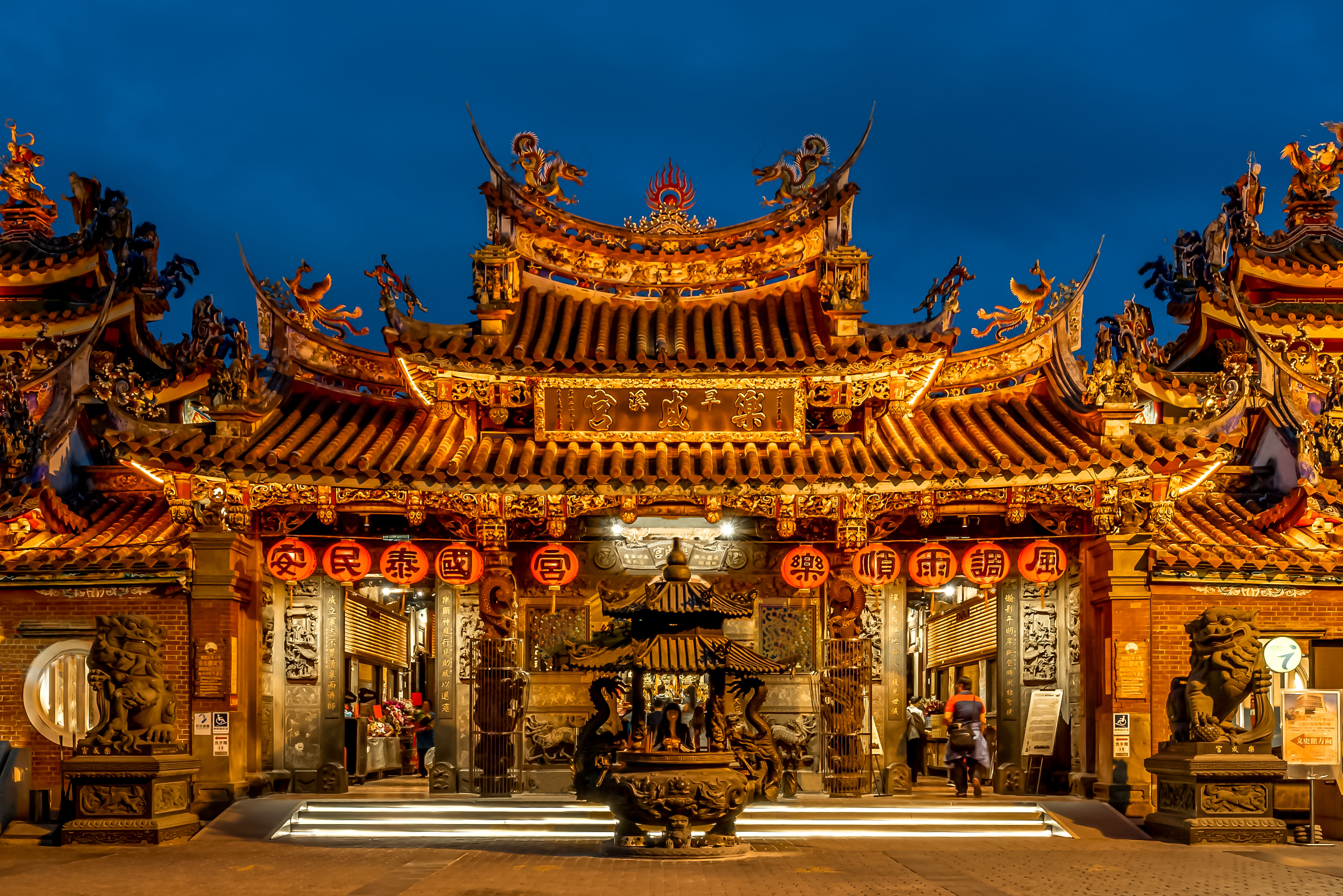
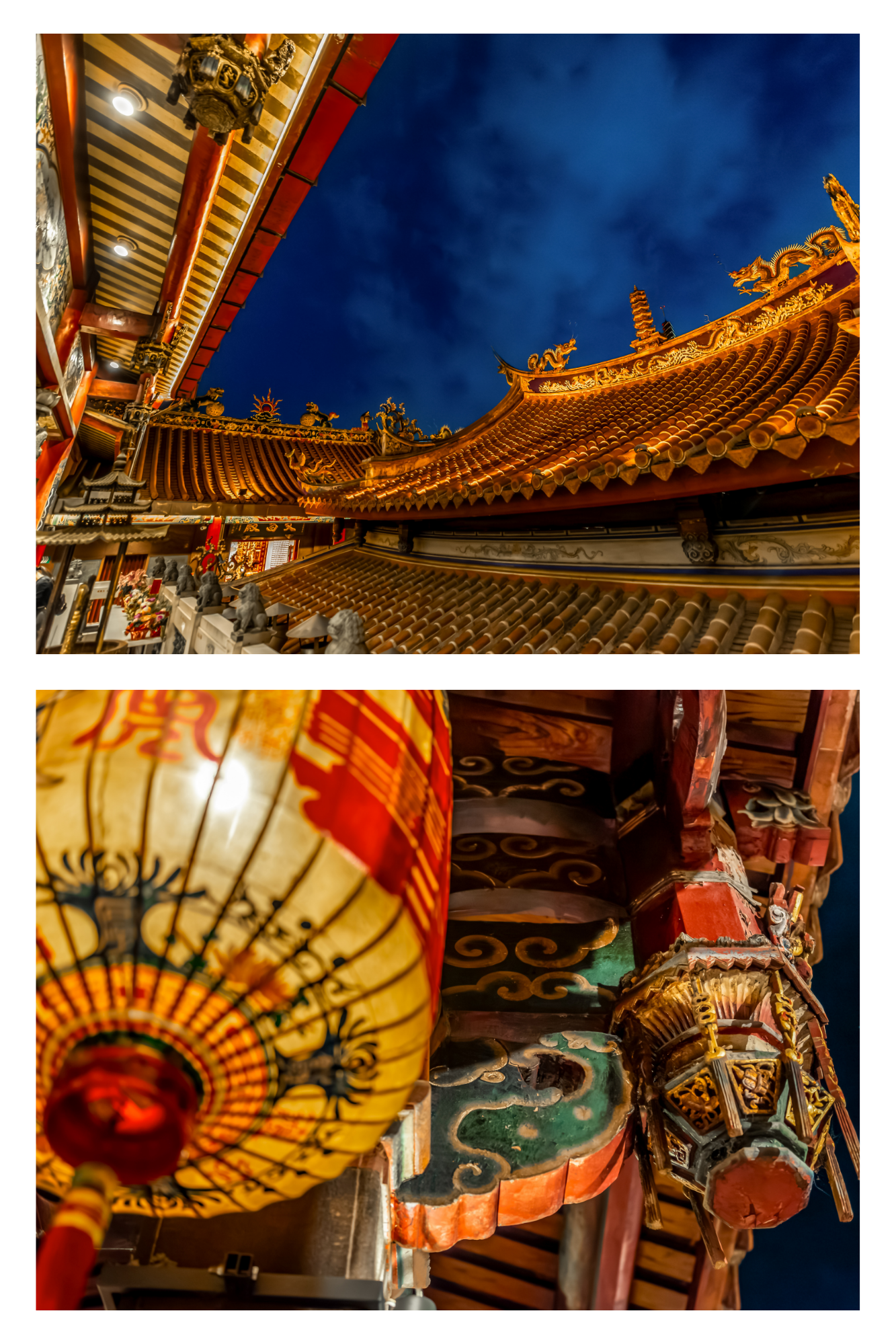
Located in the East District of Taichung City, Taiwan, Lecheng Temple (樂成宮) is a 274-year-old, officially designated heritage site and one of central Taiwan's most prominent places of worship, dedicated to Mazu, a principal deity of Taiwanese folk belief. Through an integrated lighting plan, we have fused landscape illumination aesthetics with social-design strategies, redefining the public role of historic monuments within the modern city, where heritage and daily life have grown increasingly disconnected.
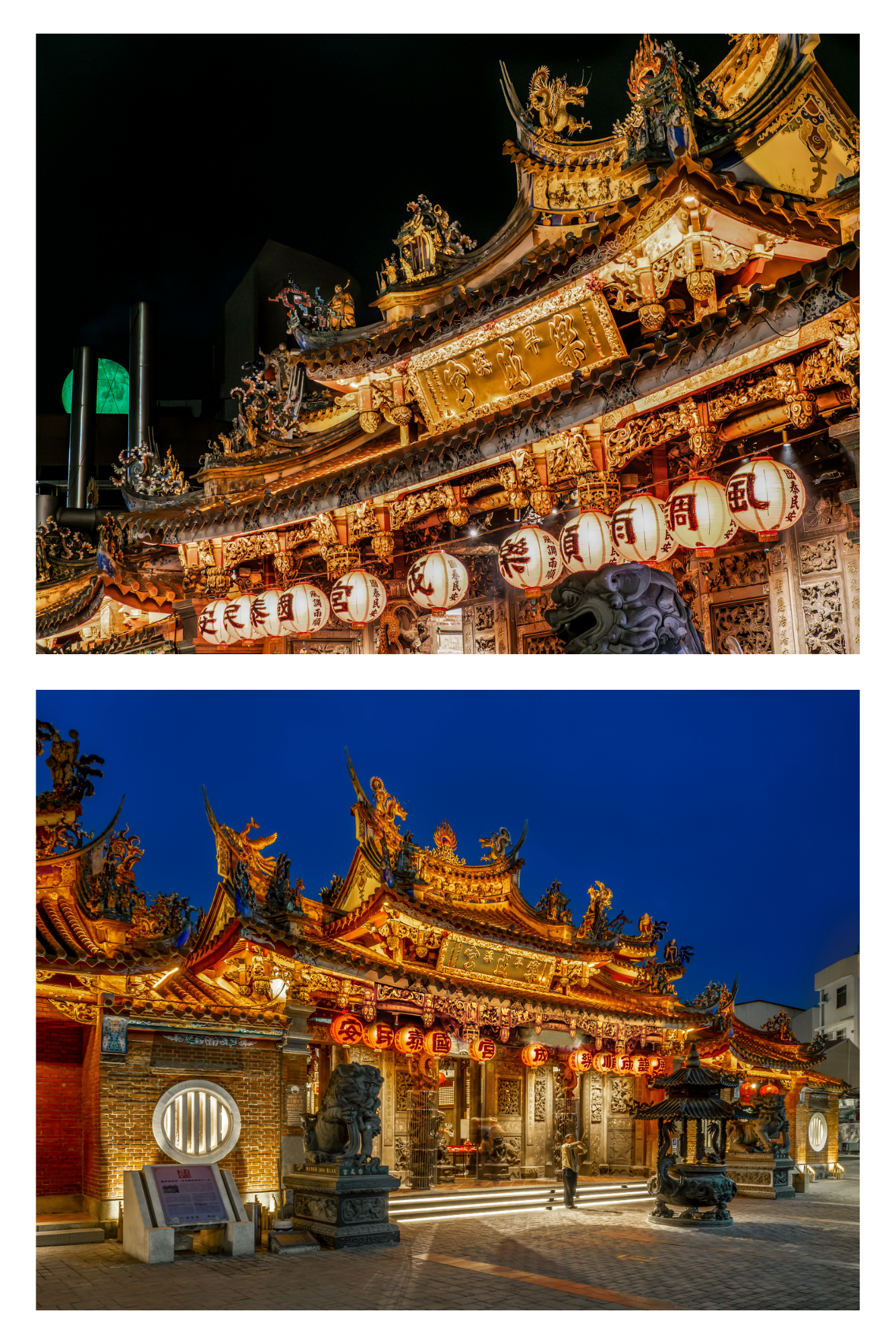
The entire process upholds the principle of cultural-heritage conservation, centered on non-invasive fixings that guarantee no damage to the original structure—our highest tribute to this protected landmark. At the entrance, track lights set to a focused-beam mode project softly onto the ground, creating gentle gradations of light and shadow that offer worshippers an elegant, ceremonial welcome.
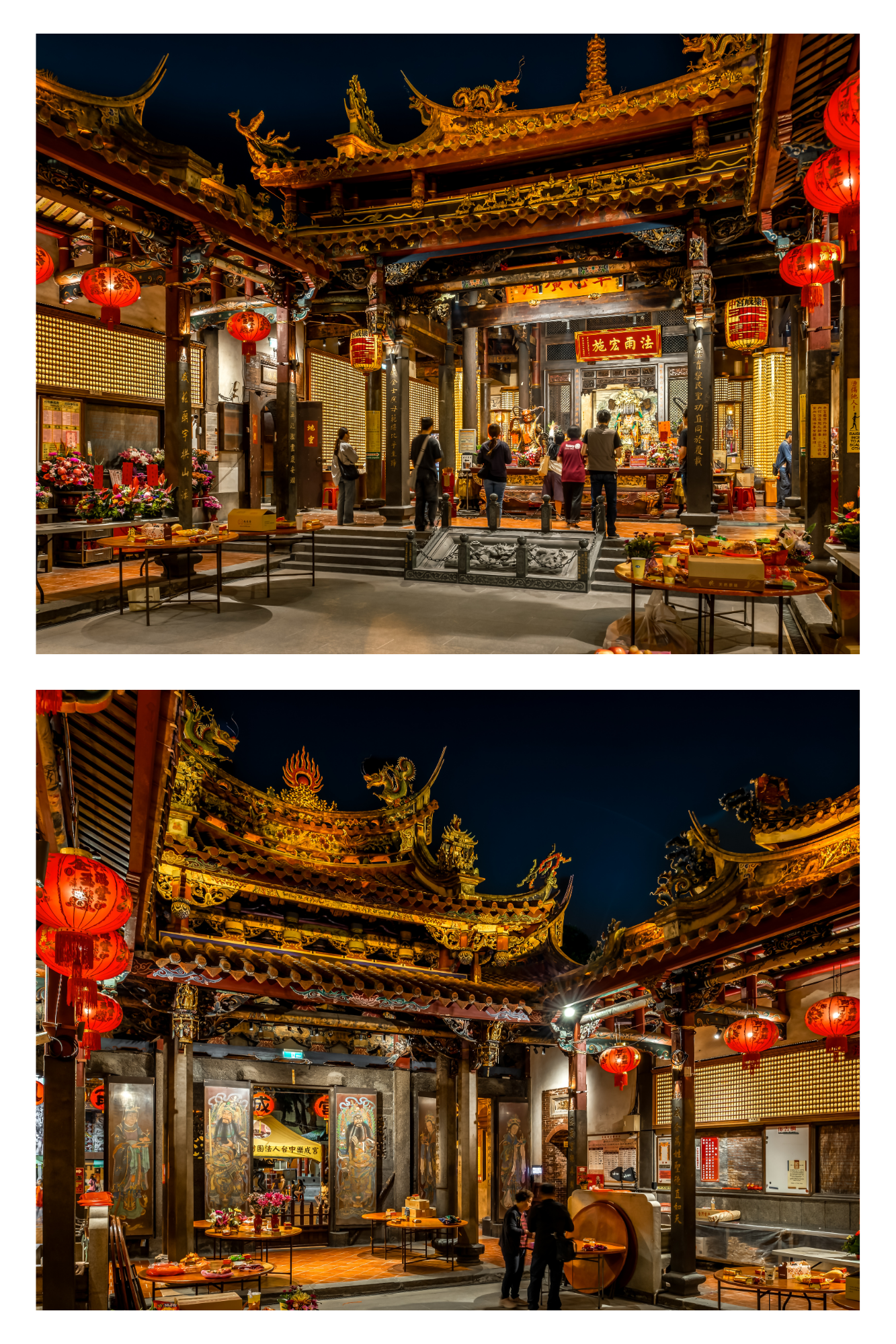
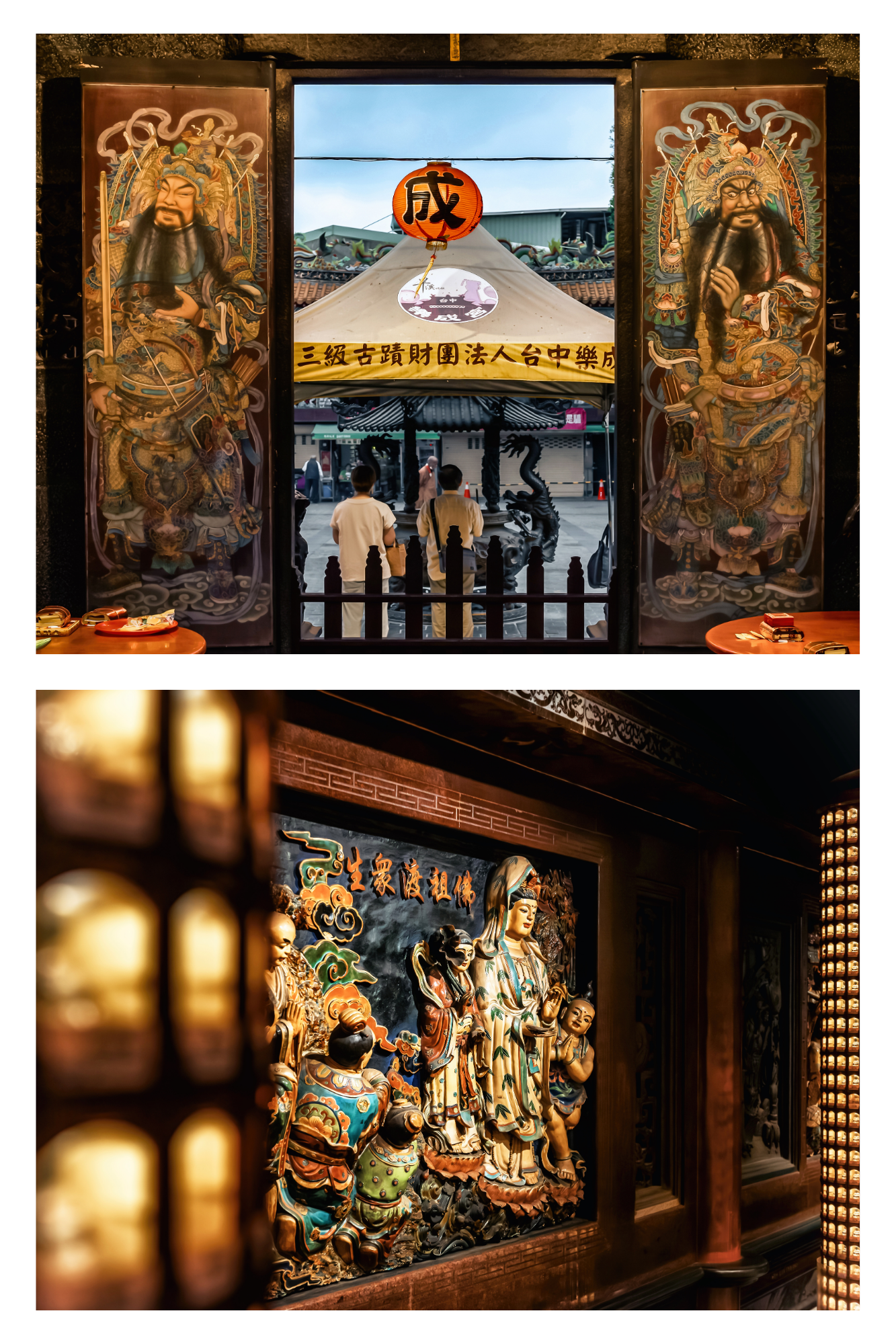
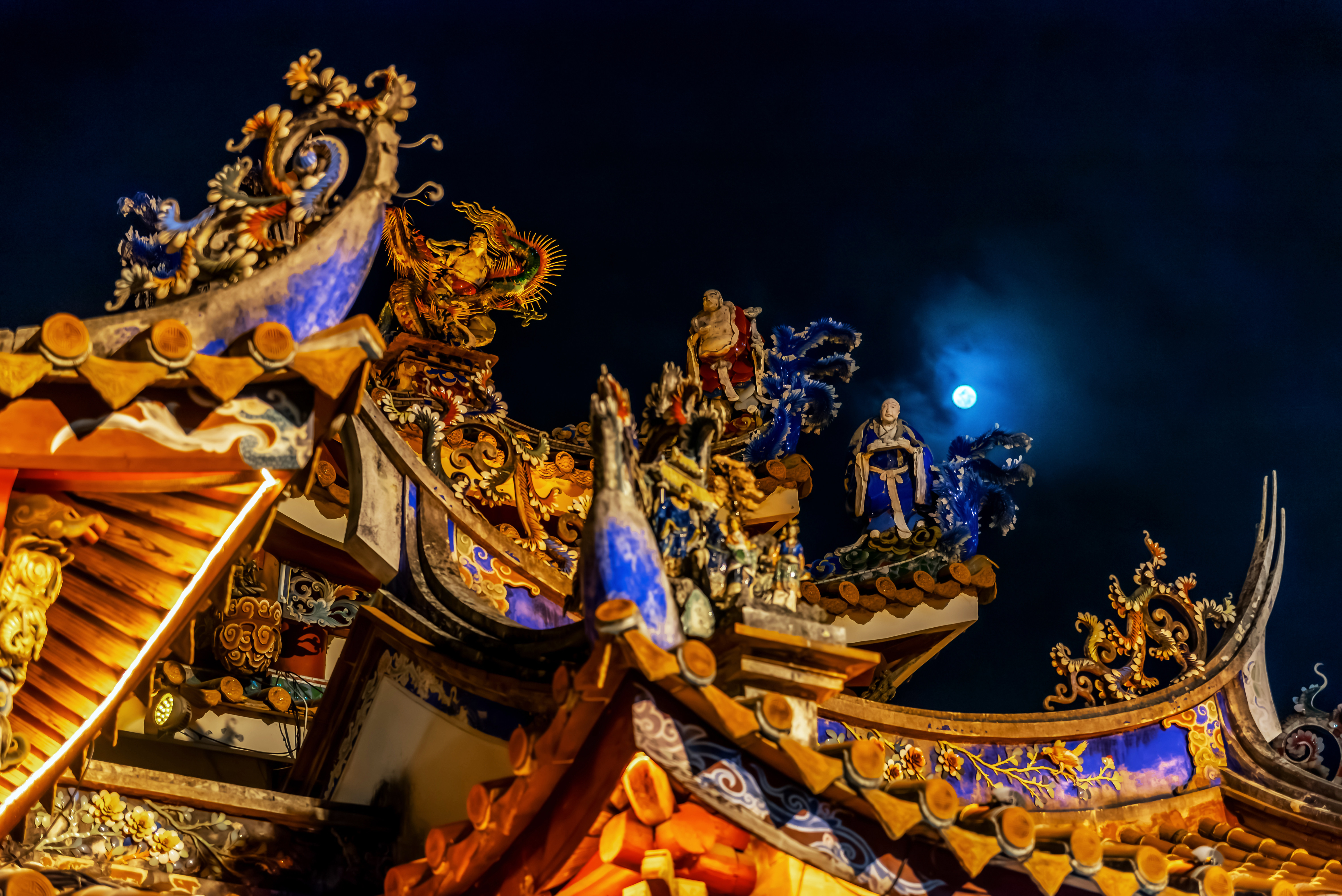
For cultural preservation, the lighting carefully traces the distinctive "swallowtail ridges" (yanwei ji)—the upswept forked roof eaves emblematic of Minnan-style architecture, a tradition brought to Taiwan by early Han settlers from southern Fujian and developed locally over centuries—along with the intricate craftsmanship of jiannian (cut-and-paste porcelain mosaic) and koji pottery (cochin ware, a low-fired polychrome ceramic refined within Taiwanese temple craft). Against the night sky, these features are delicately revealed in their solemn, ornamental beauty. Inside the temple, light is precisely projected onto the deity statues, eliminating peripheral visual distraction and drawing worshippers into a focused, devout atmosphere—resolving the inconsistencies long caused by aging fixtures and light decay.
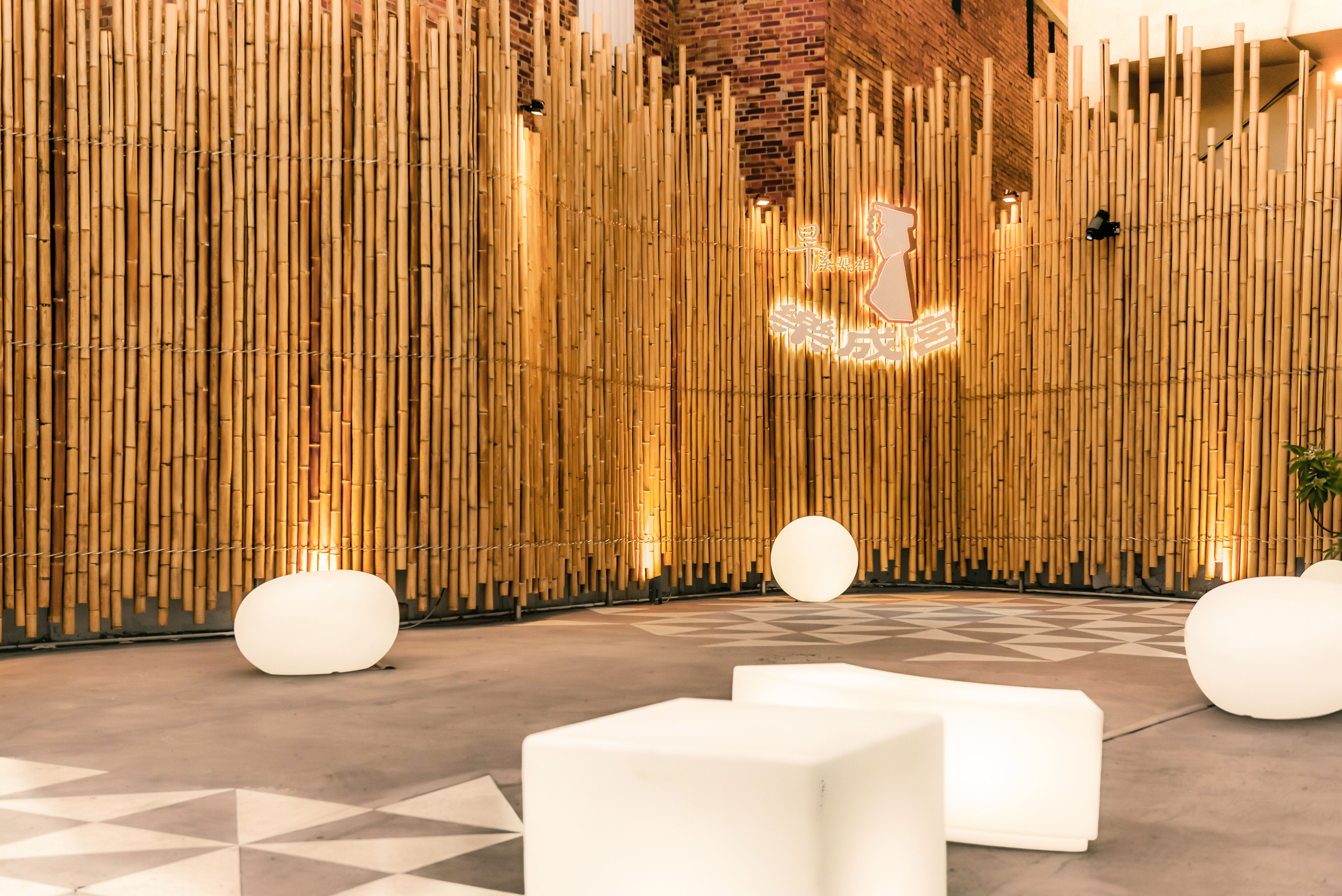
Beyond aesthetic renewal, the project extends its public-design thinking to the temple's underutilized periphery. The once-dim, idle water-tower courtyard has been transformed with curated lighting and natural bamboo elements into a recreational art landmark, offering local residents new evening social space and inviting younger generations back to the faith venue.
This vision is extended through social-design initiatives—a faith-based brand identity, curated markets, an in-house publication, and reinvented festival rituals—turning the temple into a living public platform where centuries-old spiritual heritage and contemporary life coexist, sustaining community cohesion and cultural continuity.
Featured Media
Credits

Entrant
Narduli Studio
Category
Architectural Design - Public Art & Public Art Installation
Entrant
HuaYi Design
Category
Interior Design - Residential
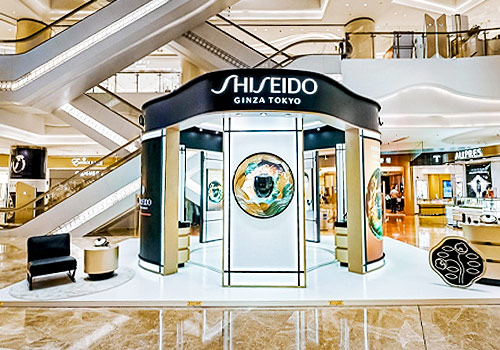
Entrant
Shiseido China
Category
Interior Design - Retails, Shops, Department Stores & Mall

Entrant
YEN TING CHO Studio
Category
Architectural Design - Public Art & Public Art Installation