2026
Silent Obsidian
Entrant
Round House_Interior_Design
Category
Interior Design - Residential
Client's Name
-
Country / Region
Taiwan
Gallery
About The Entry
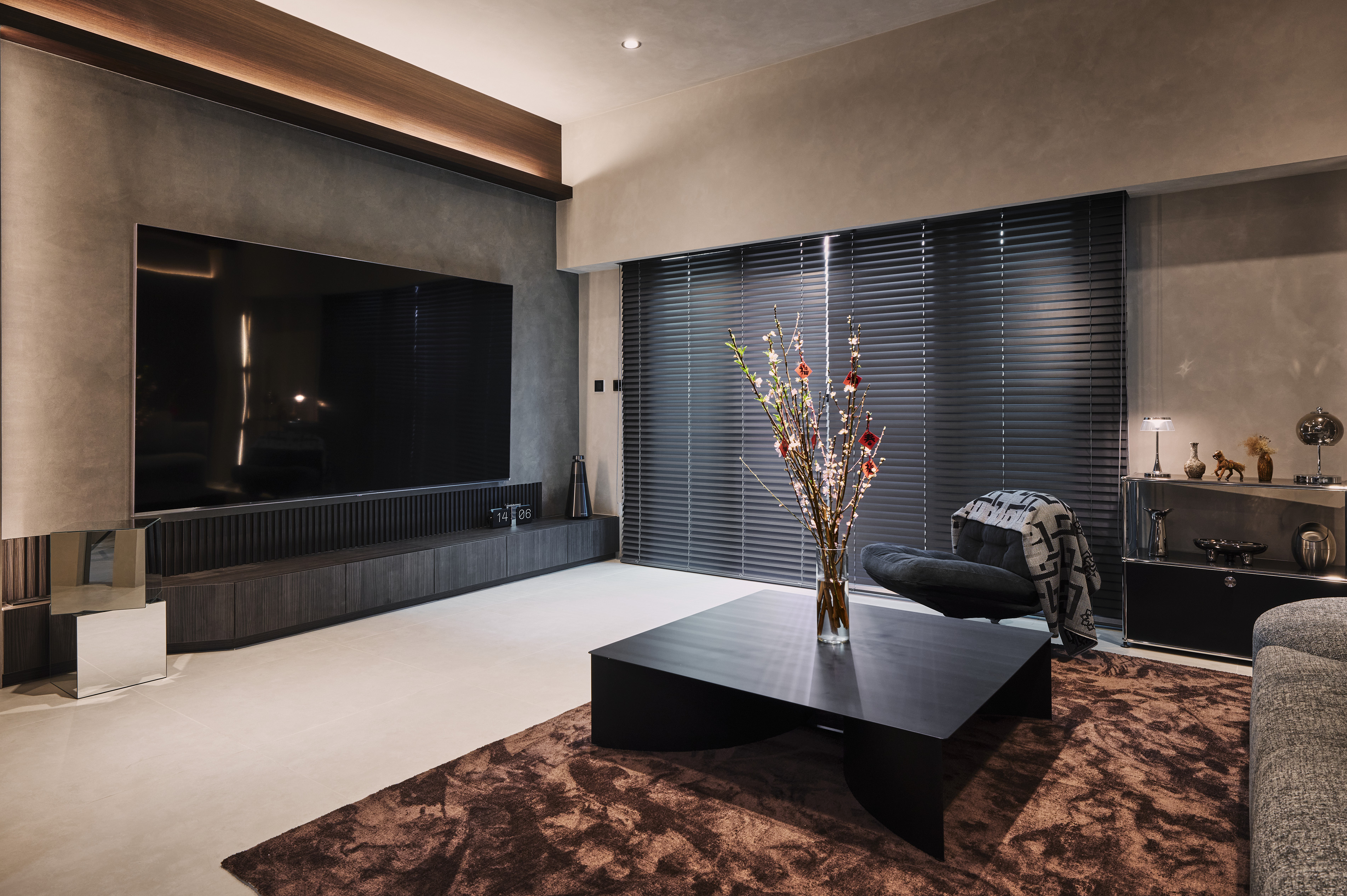
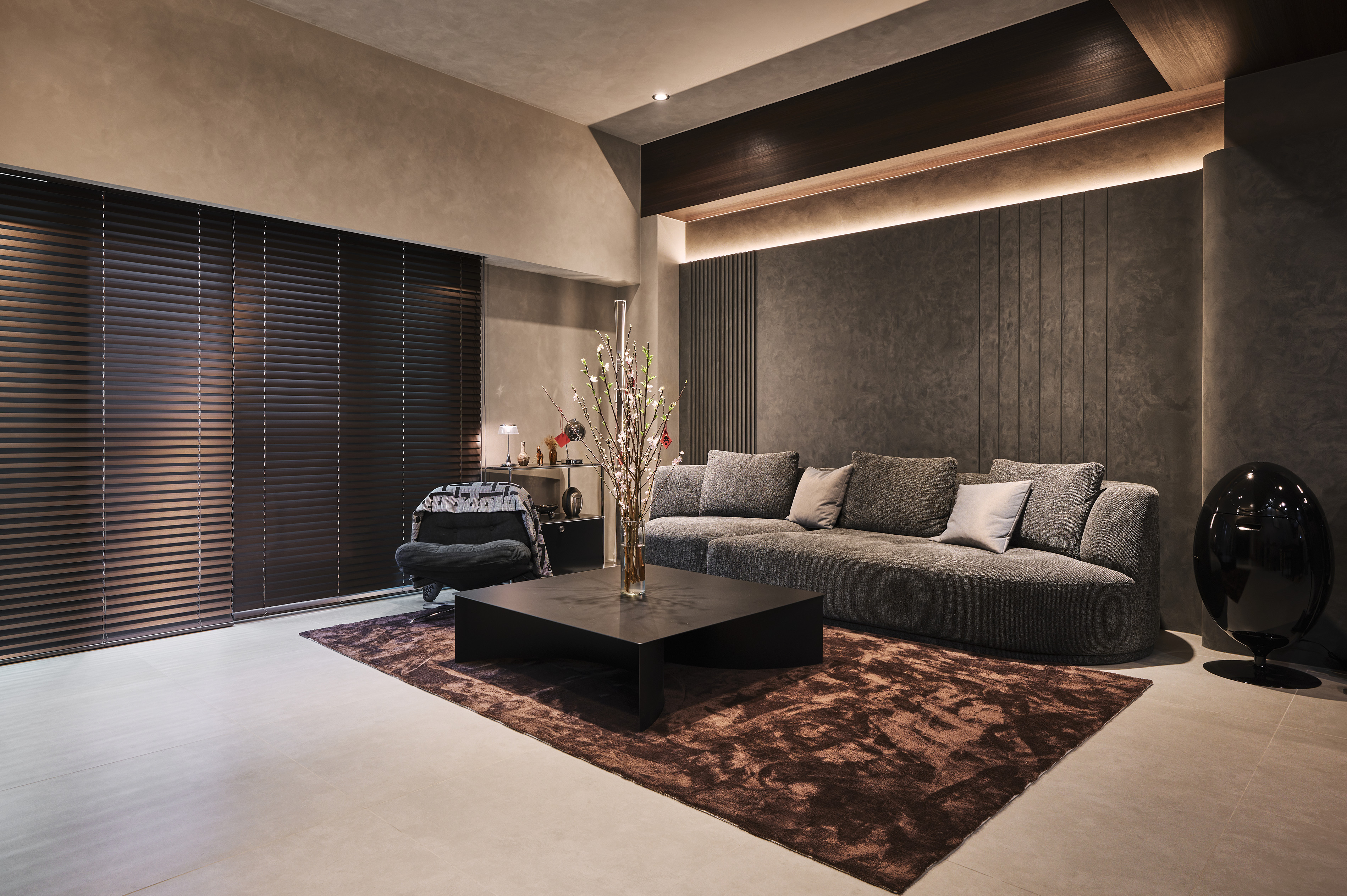
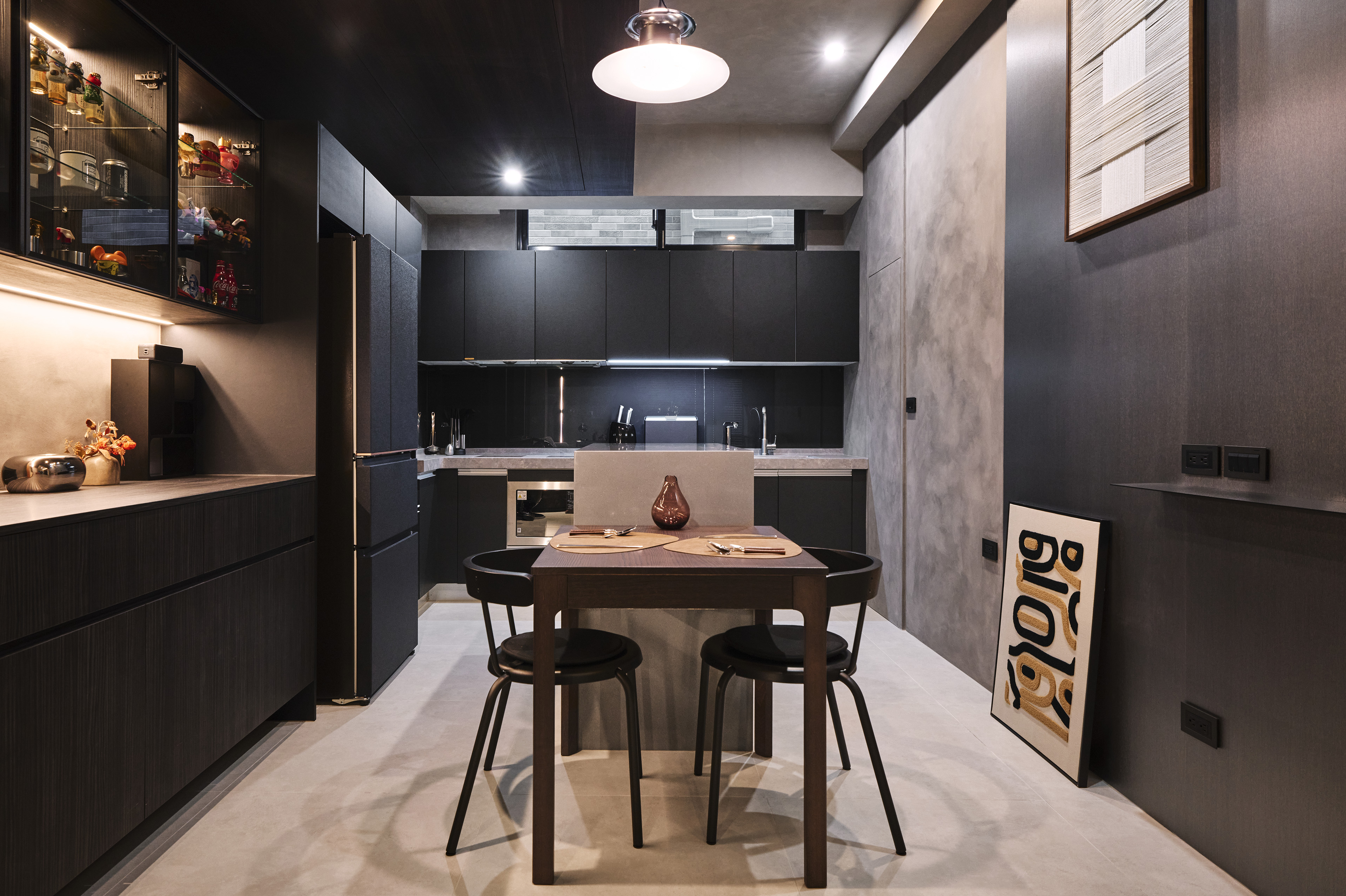
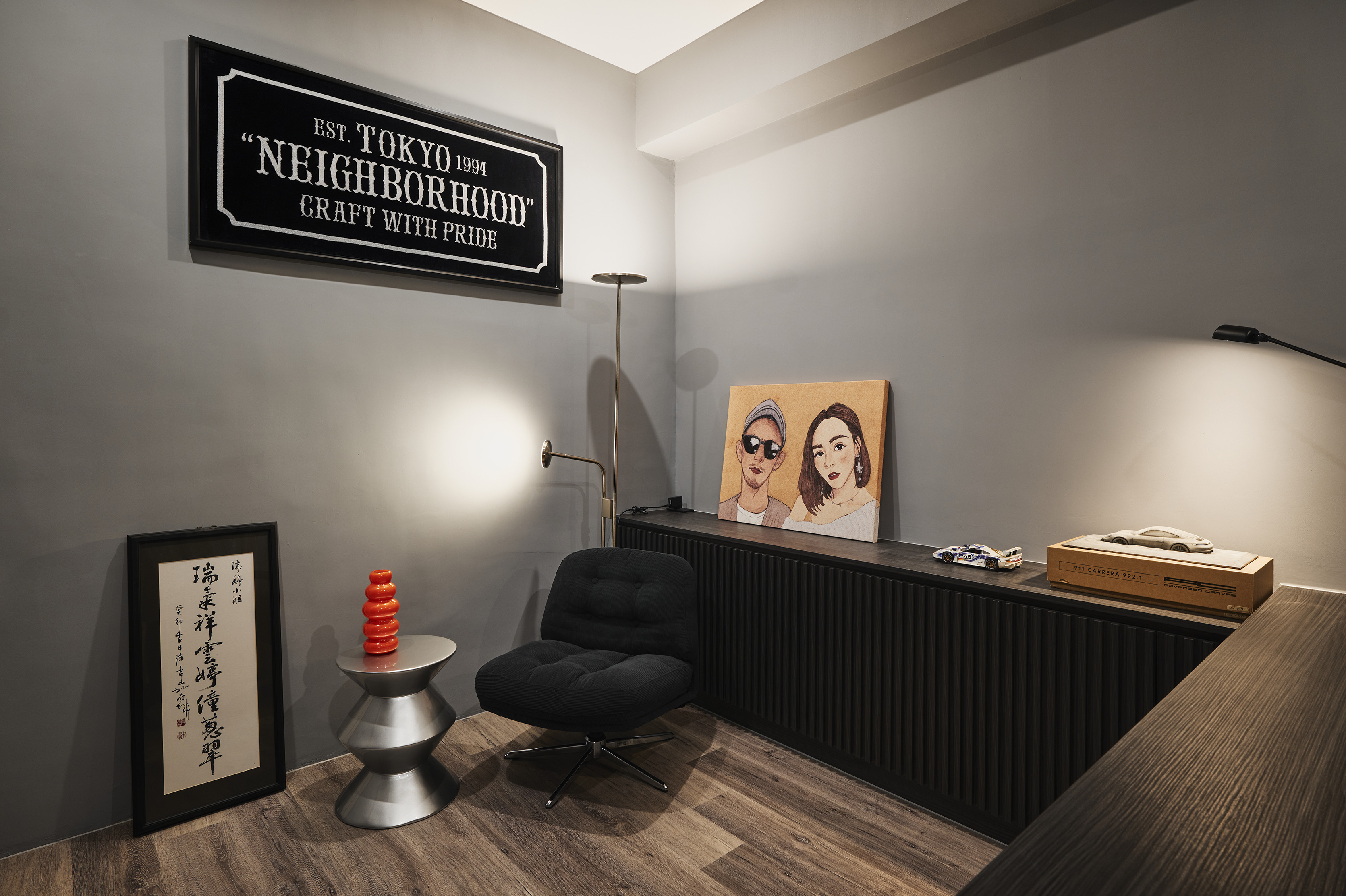
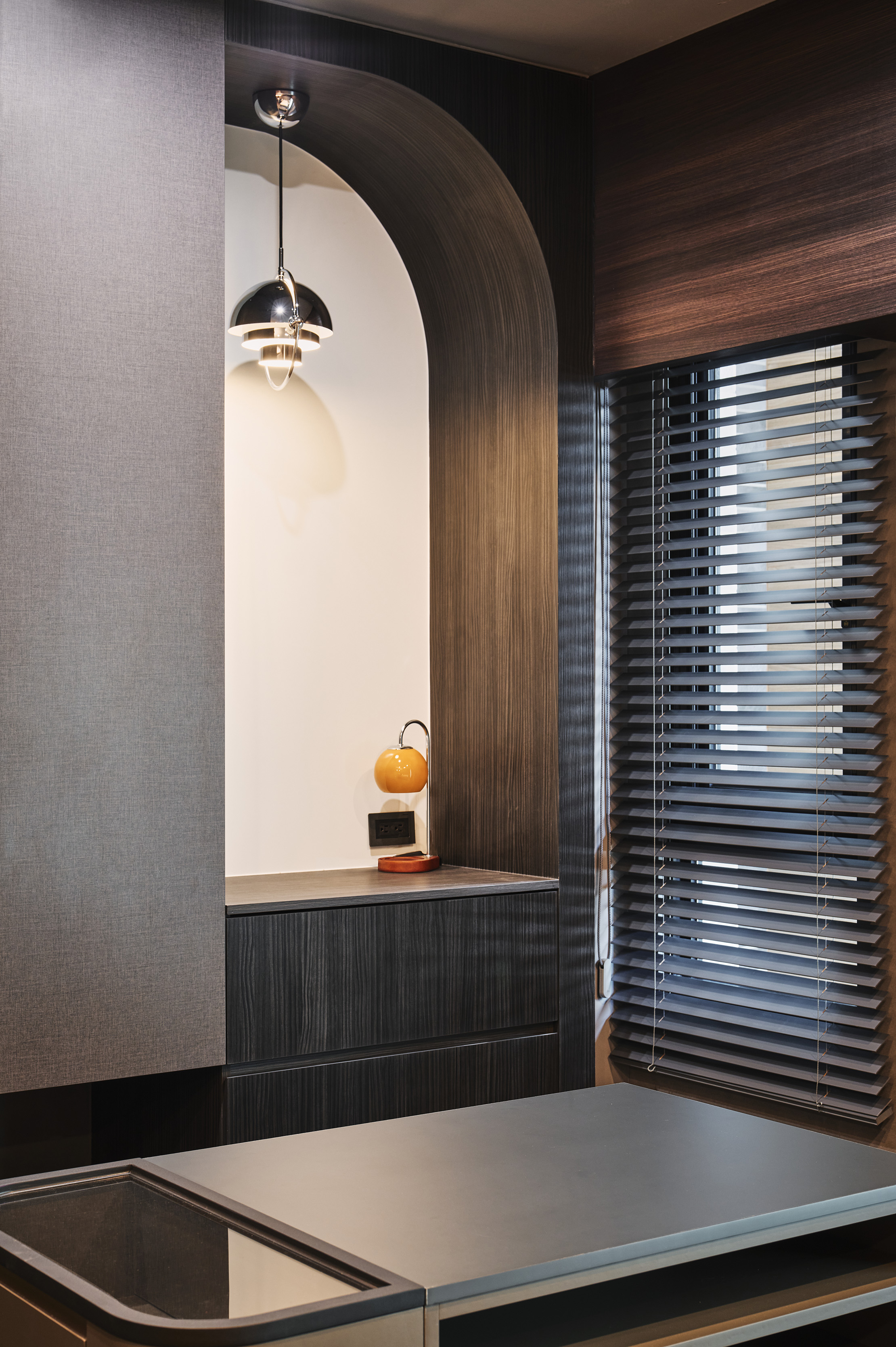
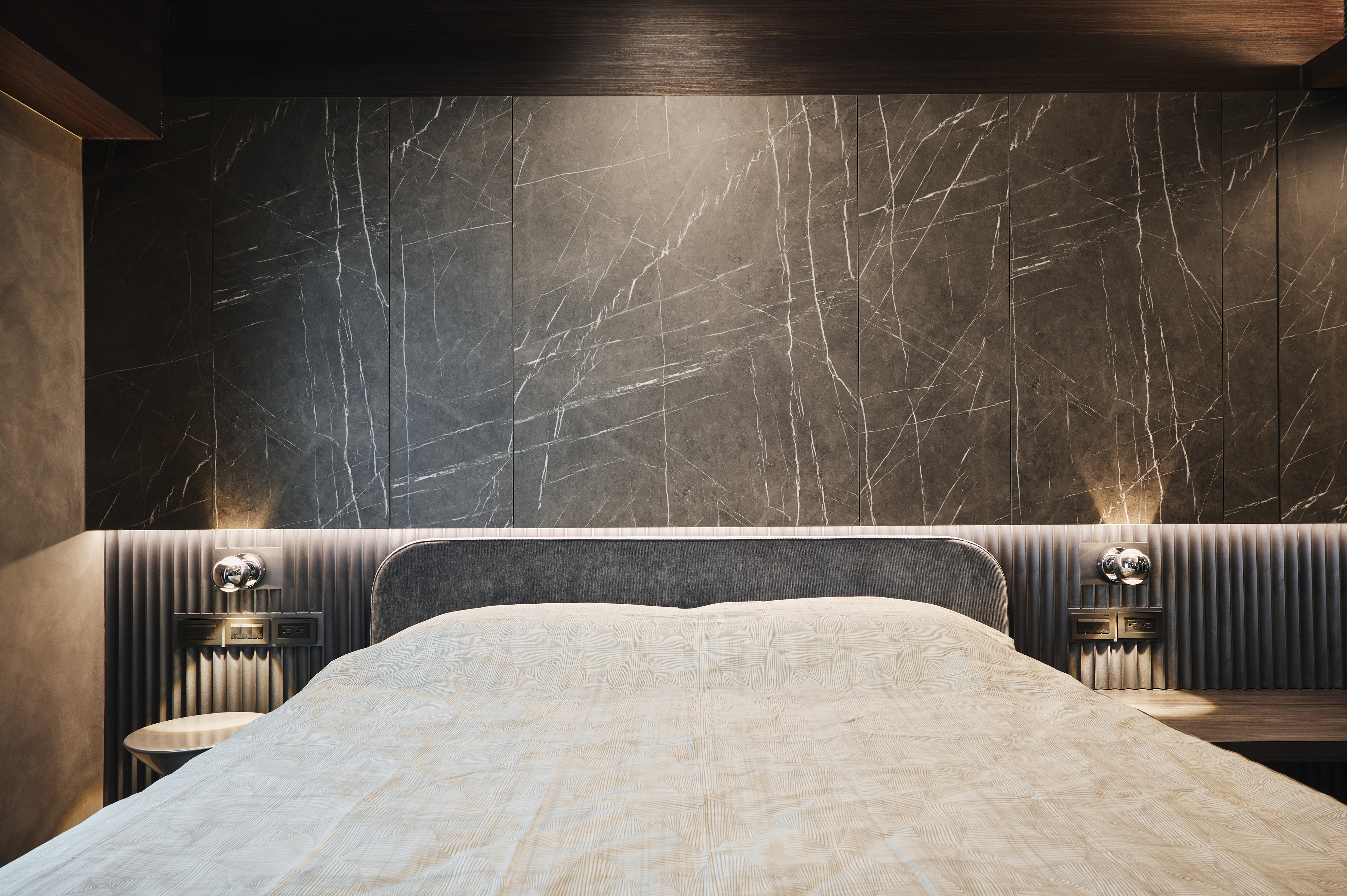
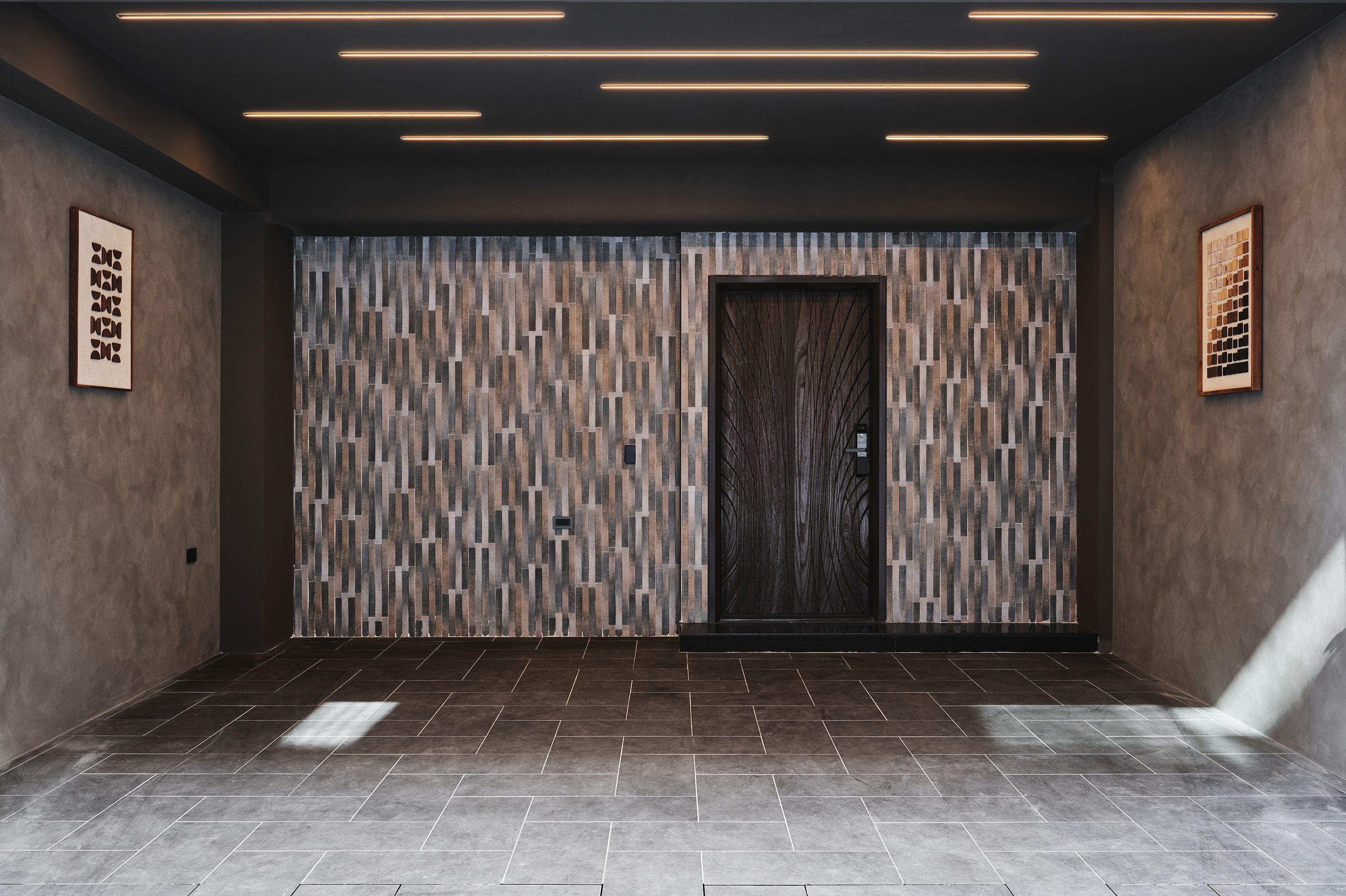
The most meticulous aspect of this project was calibrating the hues—too dark, and the space becomes oppressive; too light, and it loses the profound, composed texture the owners desired. The designer repeatedly fine-tuned the balance between dark and light to achieve the perfect equilibrium, using gray mineral paint on the facades, complemented by deep wood tones and black custom cabinetry to establish a high-end, sophisticated foundation. The sofa’s back wall integrates vertical slats, air vents, and curvilinear forms, creating a steady yet layered aesthetic that conceals functionality within the design. A seamless wrapping technique was applied to the ceiling beams and extended to the kitchen cabinetry, ensuring the visual narrative remains cohesive and uninterrupted by functional zoning.
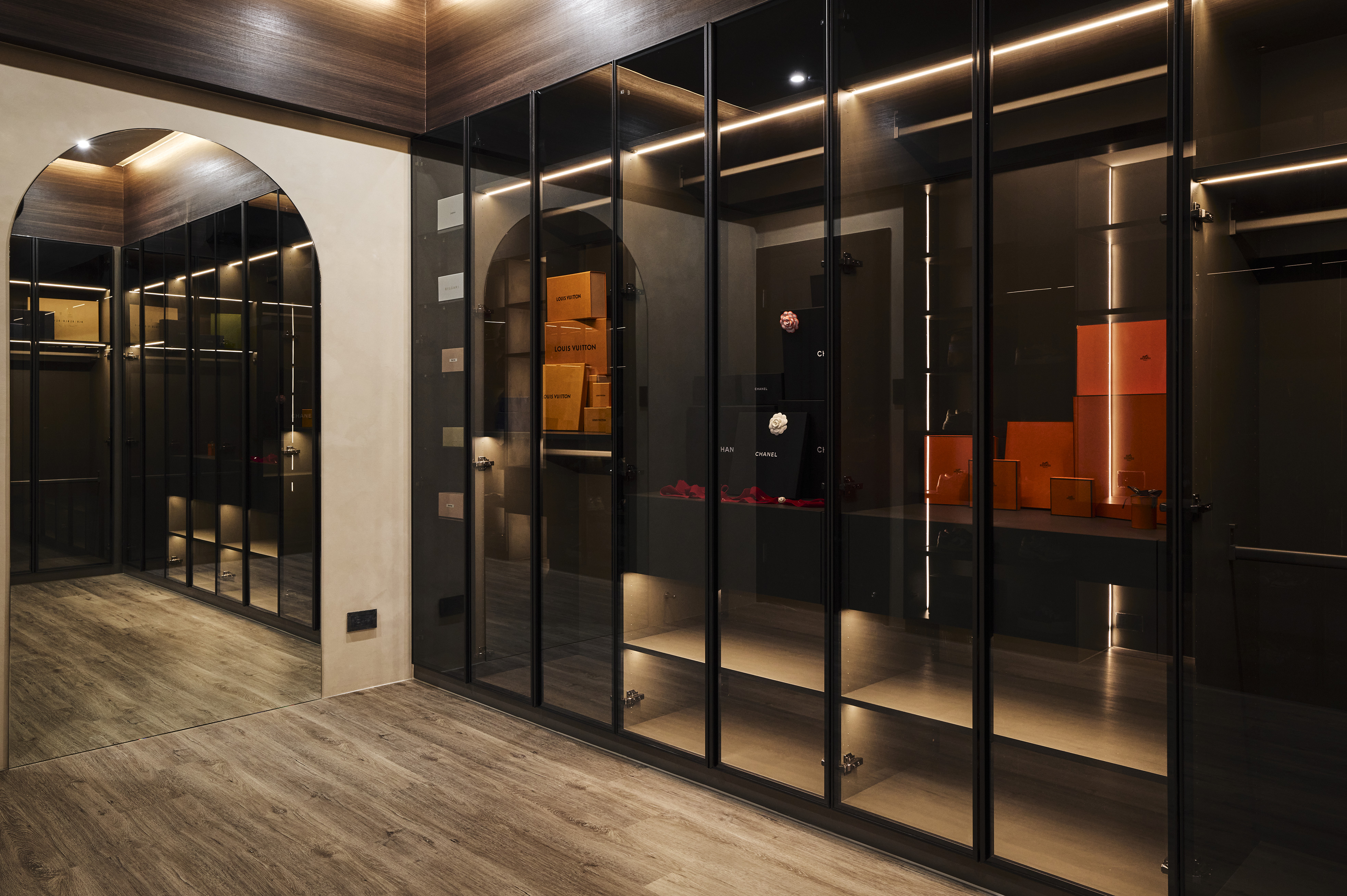
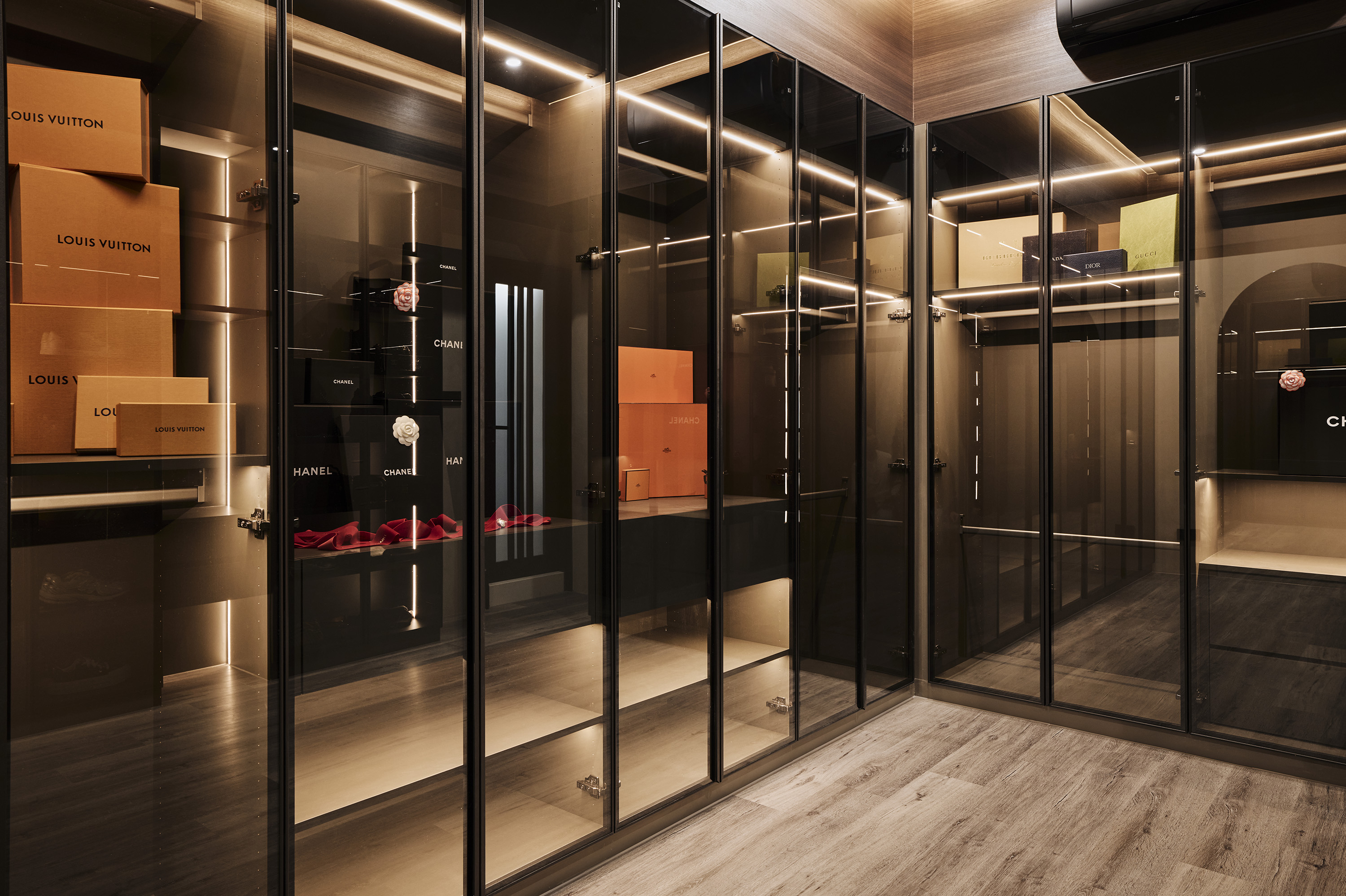
Managing a vast collection of clothing, bags, and footwear was the central challenge in the storage plan. The design team adopted a "frequency of use" strategy for the organization. On the third floor, wardrobes flanking the bedroom hold daily attire, while a curved accessory cabinet at the foot of the bed displays watches and jewelry. Together with the vanity, this forms an intuitive grooming circuit for getting ready to head out. Dedicatedly set up a U-shaped walk-in closet on the fourth floor: displayed bags on the left, footwear on the right, and an open central shelf provides immediate access. A large arched mirror facing the entrance serves as the final touch point, bringing the dressing ritual to a perfect conclusion.
The project exclusively uses imported Italian low-formaldehyde paint from the walls to the ceilings, minimizing exposure to toxic volatile substances. A key advantage of this material is its durability: once cured, the surface is easy to clean, and subsequent touch-ups show no discernible color difference, easing maintenance concerns for owners. For illumination, the designer installed a full LED system to improve energy efficiency. To respect the owners' preference for a low-light environment, the number of recessed downlights was intentionally reduced, with indirect lighting providing flexible, atmospheric control of the light.
Credits
Entrant
SCUN · ART
Category
Landscape Design - Public Landscape

Entrant
Xuezhongfei Industrial Co., Ltd.
Category
Fashion Design - Prêt-à-porter / Ready-made