2026
MIKOSHI Bag
Entrant
Re:ADY B
Category
Fashion Design - Handmade
Client's Name
-
Country / Region
Japan
Gallery




About The Entry
Every obi tells a story before it becomes a bag.
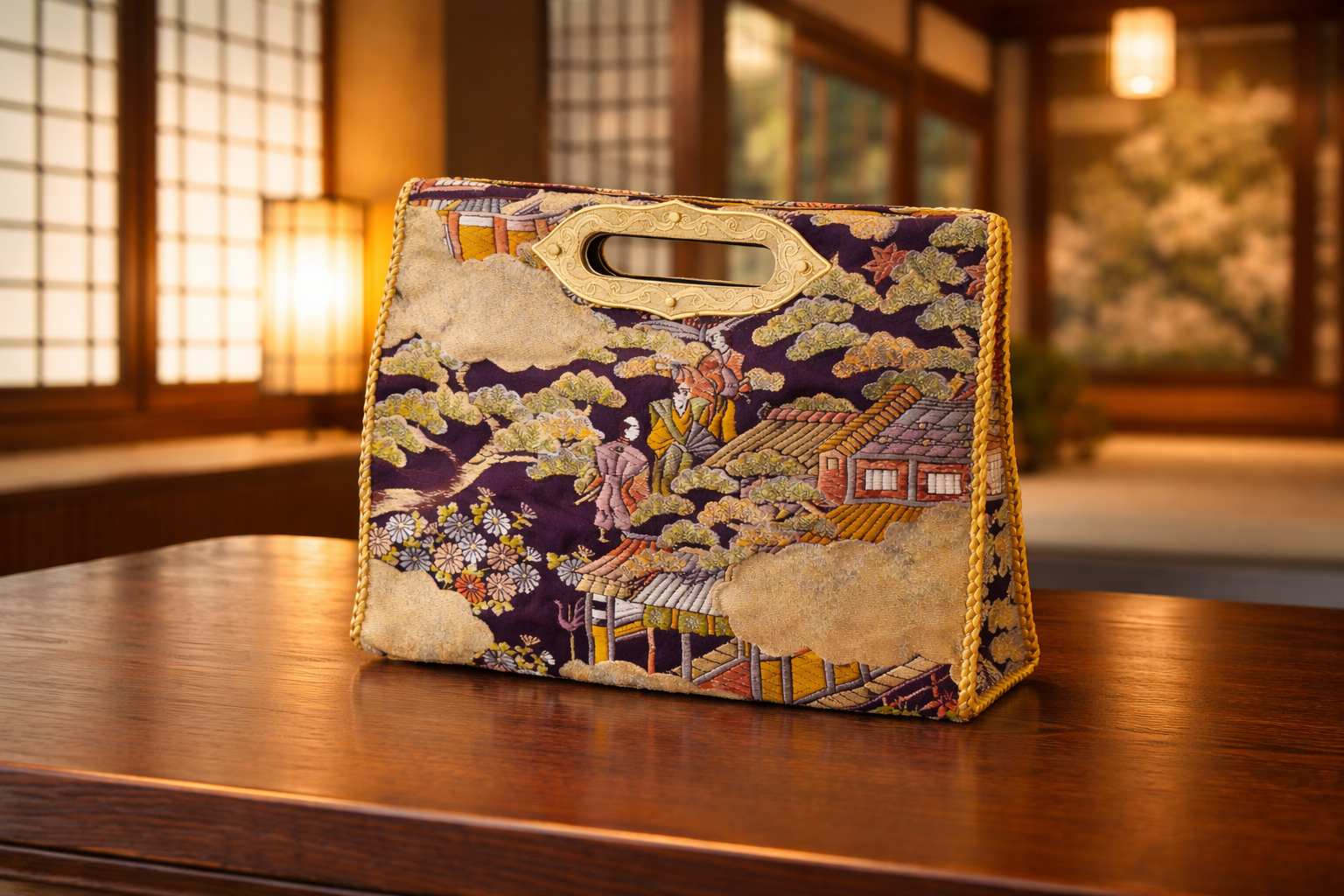
Woven for ceremony, prayer, and life's most significant moments, the Japanese obi is one of the country's most refined textile traditions. Yet each year, vast quantities are quietly set aside- their role fulfilled, their patterns unseen. The MIKOSHI Bag was designed to change that.
The defining principle of the MIKOSHI Bag is structural honesty. Rather than cutting and reassembling obi fabric into a new form, the design preserves the obi's original width as the foundation of the bag silhouette. This allows the obi's continuous pattern to flow uninterrupted across the face of the bag, retaining the compositional integrity that weavers originally intended. Where the obi transitions into its quieter, unadorned sections, those areas are not discarded- they are folded into the bag's structure, becoming side panels that give form without waste. Every part of the textile finds its place.
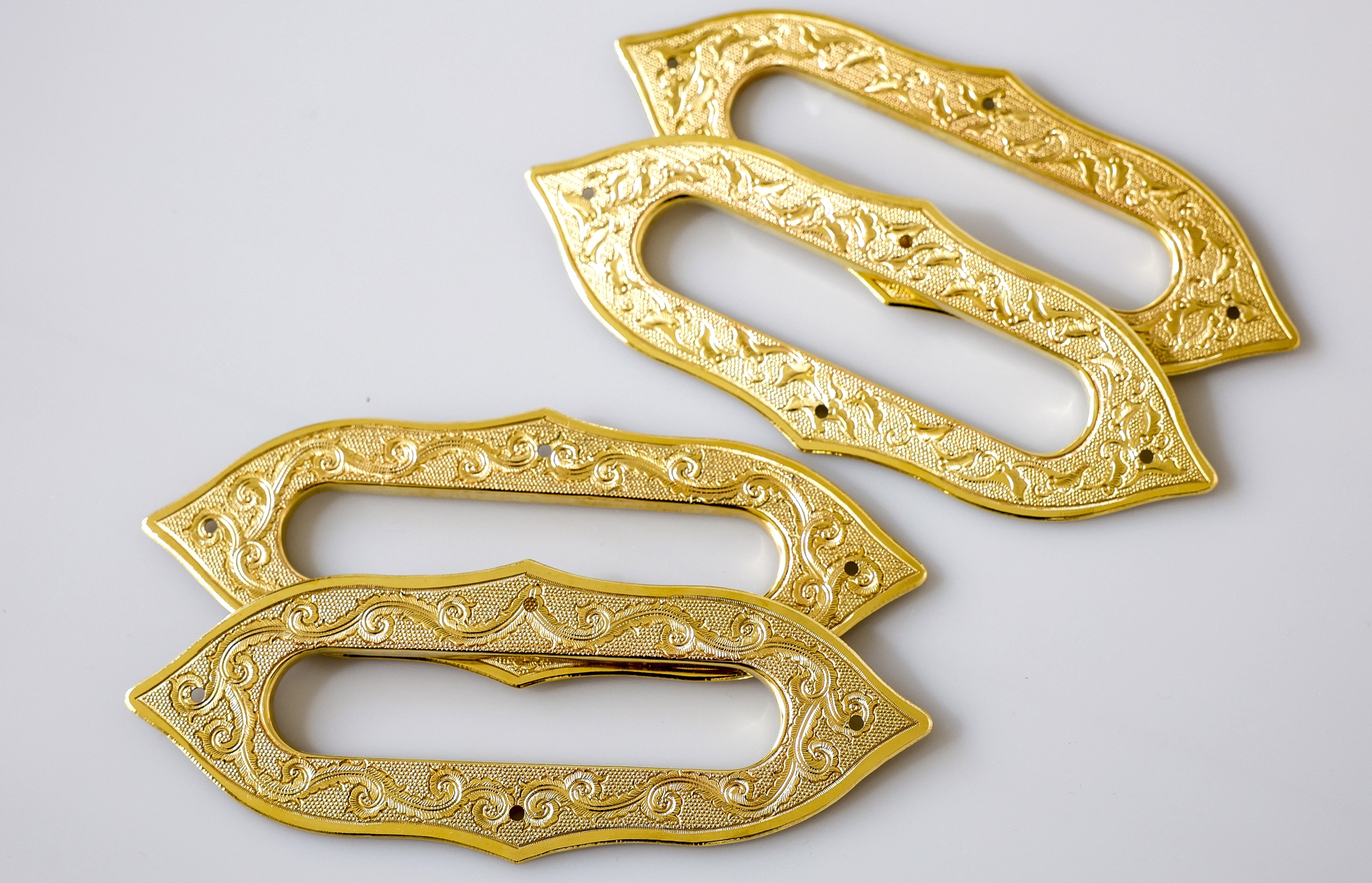
At the center sits a hand-engraved brass handle, crafted by Yoshida Butsudankanagu Seisakusho- a Hiroshima metalworking studio founded in 1890, now in its fifth generation. The motif engraved into each handle is not decorative coincidence: the Japanese arabesque, long symbolising eternity, prosperity, and regeneration, was chosen deliberately. It reflects the very nature of this object- obi fabric given new purpose, an endangered craft finding new expression, and skilled hands at a local labour support facility discovering new meaning in their work. The symbol carries the intention of the entire design.
The leather edging is hand-stitched by artisans at that same facility- craftspeople for whom this work has become a source of genuine pride. For each bag, the leather cord colour is selected individually to complement the specific obi used, ensuring that harmony, not formula, governs every pairing.
Because no two obi share the same pattern placement, no two MIKOSHI Bags are alike. Each is a collaboration between the original weaver's intent and the designer's eye- and the hands of every maker who shaped it along the way.
To carry the MIKOSHI Bag is to carry something made entirely by hand, and entirely with purpose.
Featured Media
Credits

Entrant
Shenzhen Xincheng Innovation Co.,Ltd.
Category
Product Design - Home Appliances

Entrant
NAKED PROJECT INTERIOR DESIGN LIMITED COMPANY
Category
Interior Design - Residential