
2026
Painting and Calligraphy Exhibition at Shanghai Museum
Entrant
Guangdong Jimei Design & Construction Co., Ltd/ Shao Zhanying
Category
Interior Design - Exhibits, Pavilions & Exhibitions
Client's Name
Shanghai Museum
Country / Region
China
Gallery




About The Entry
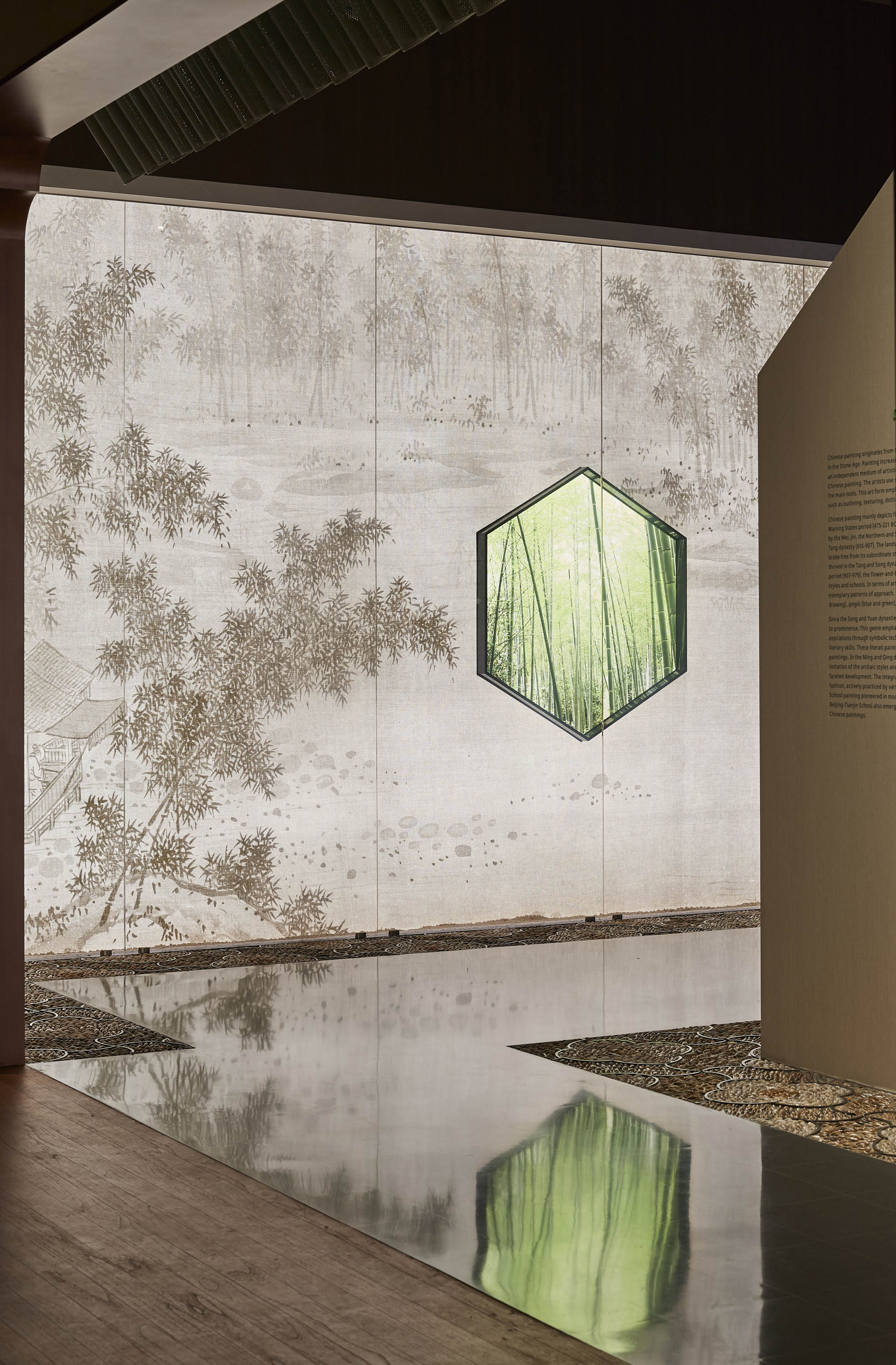
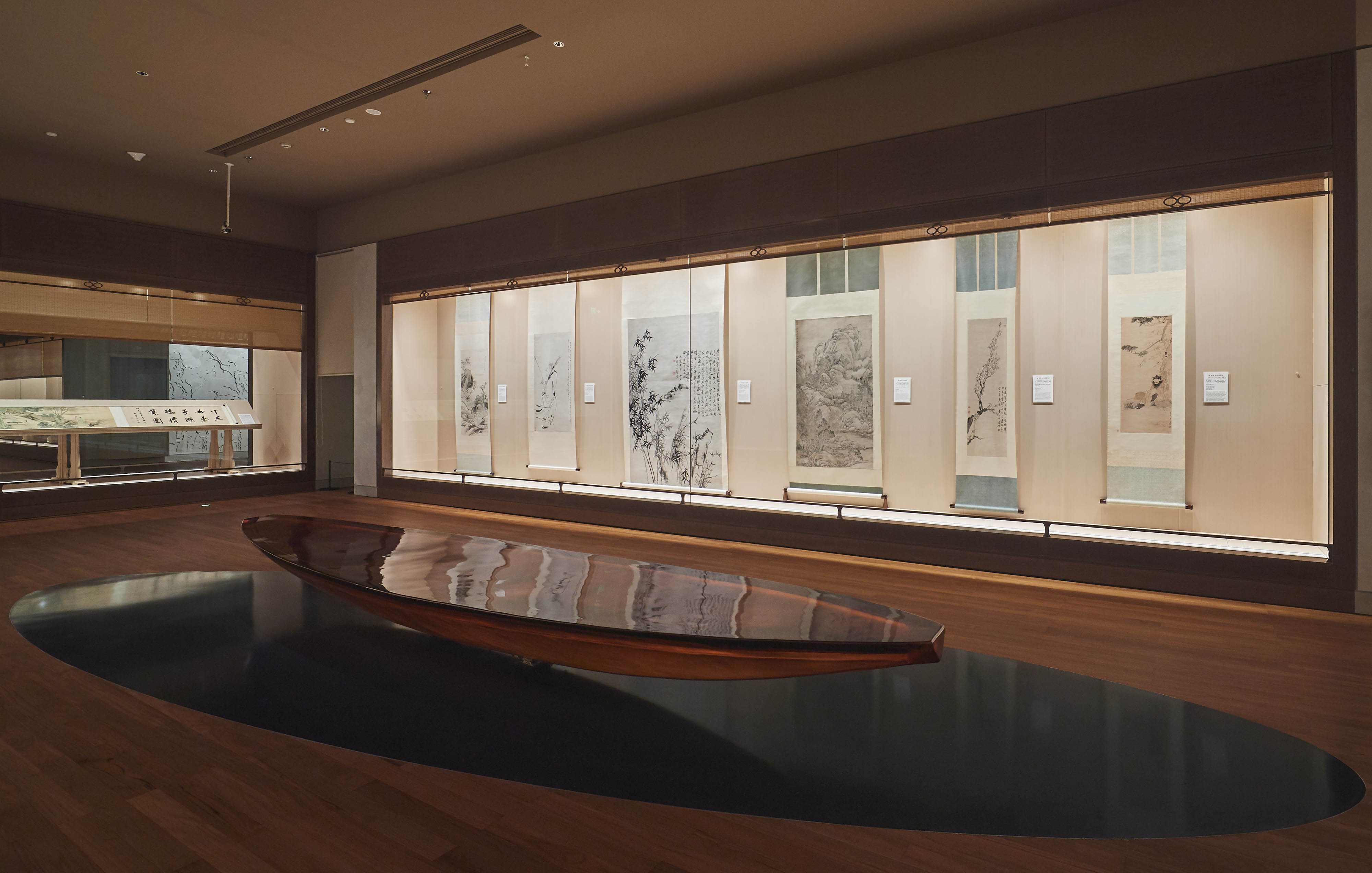
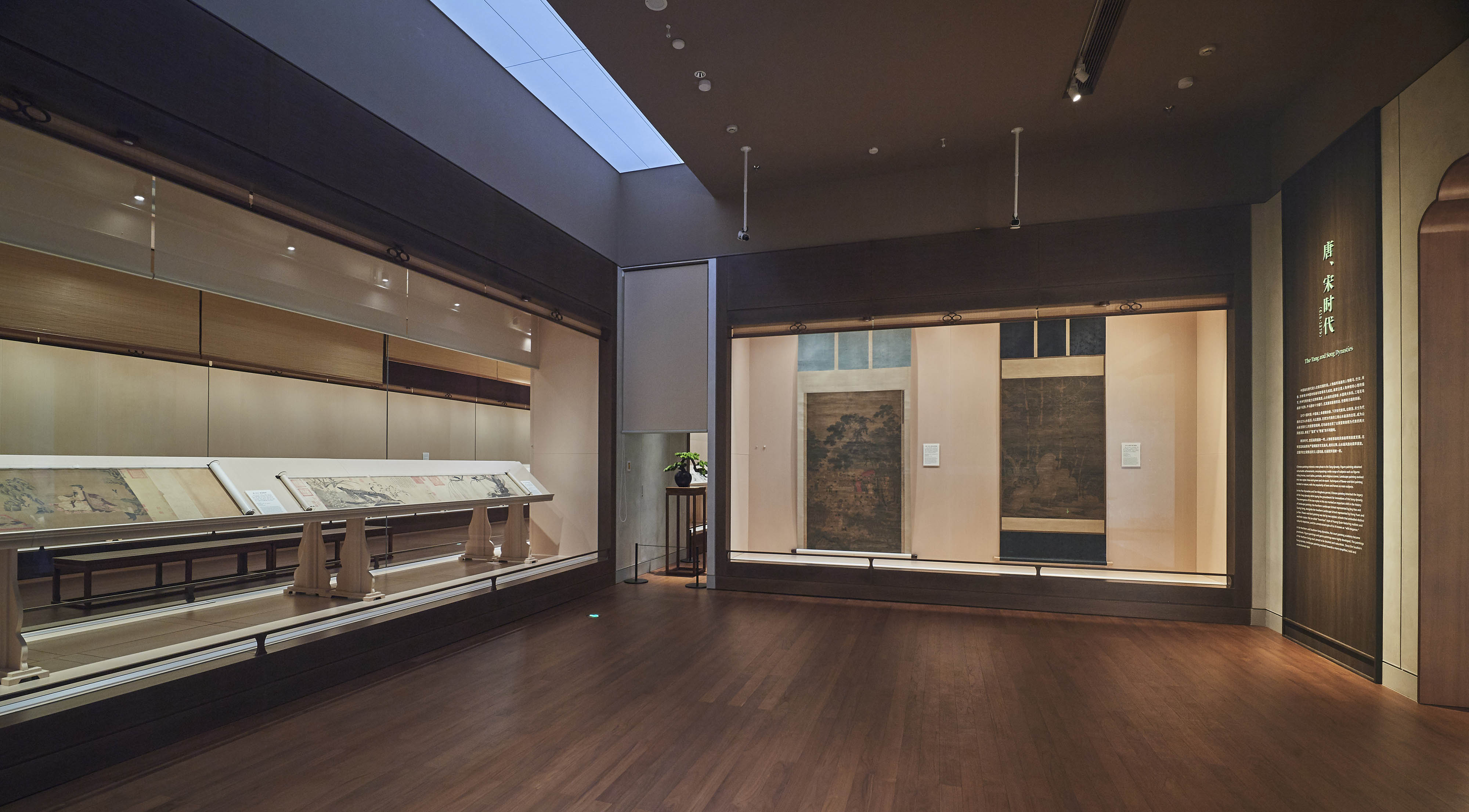
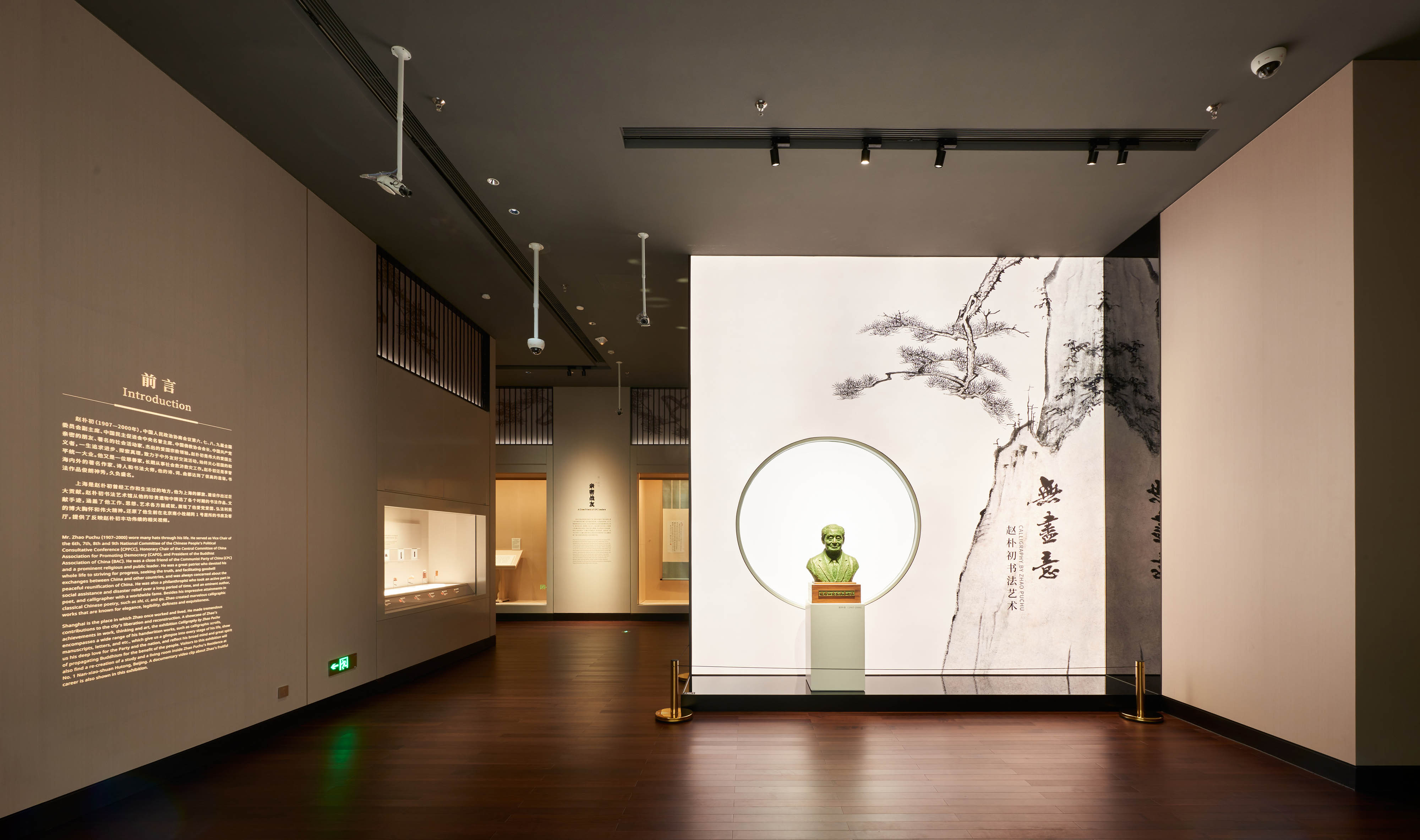
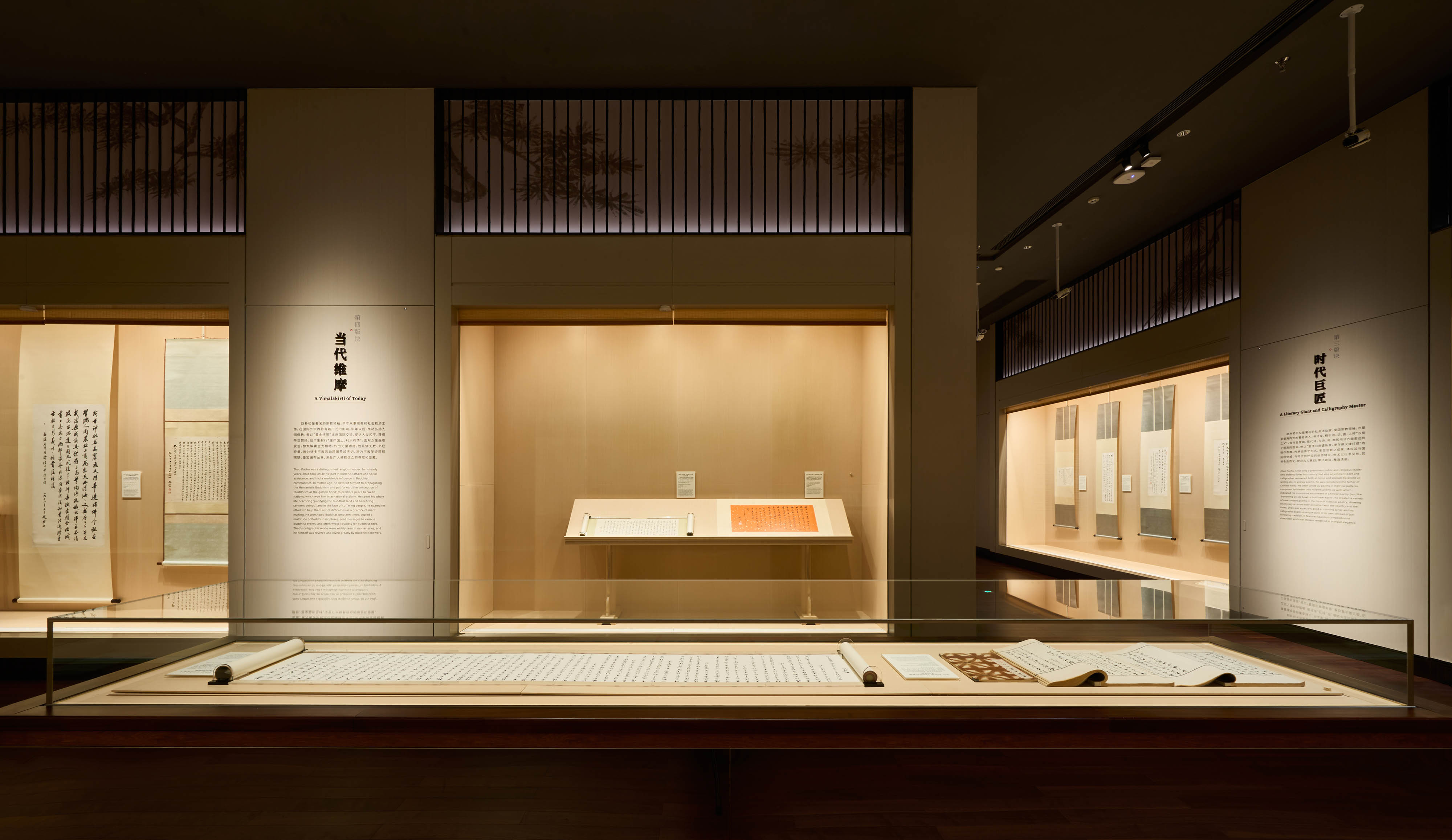
Today, museum exhibition design tends to chase technological spectacle and stylistic imitation. The calligraphy and painting exhibition at Shanghai Museum takes a different approach—less about showing off, more about evoking.
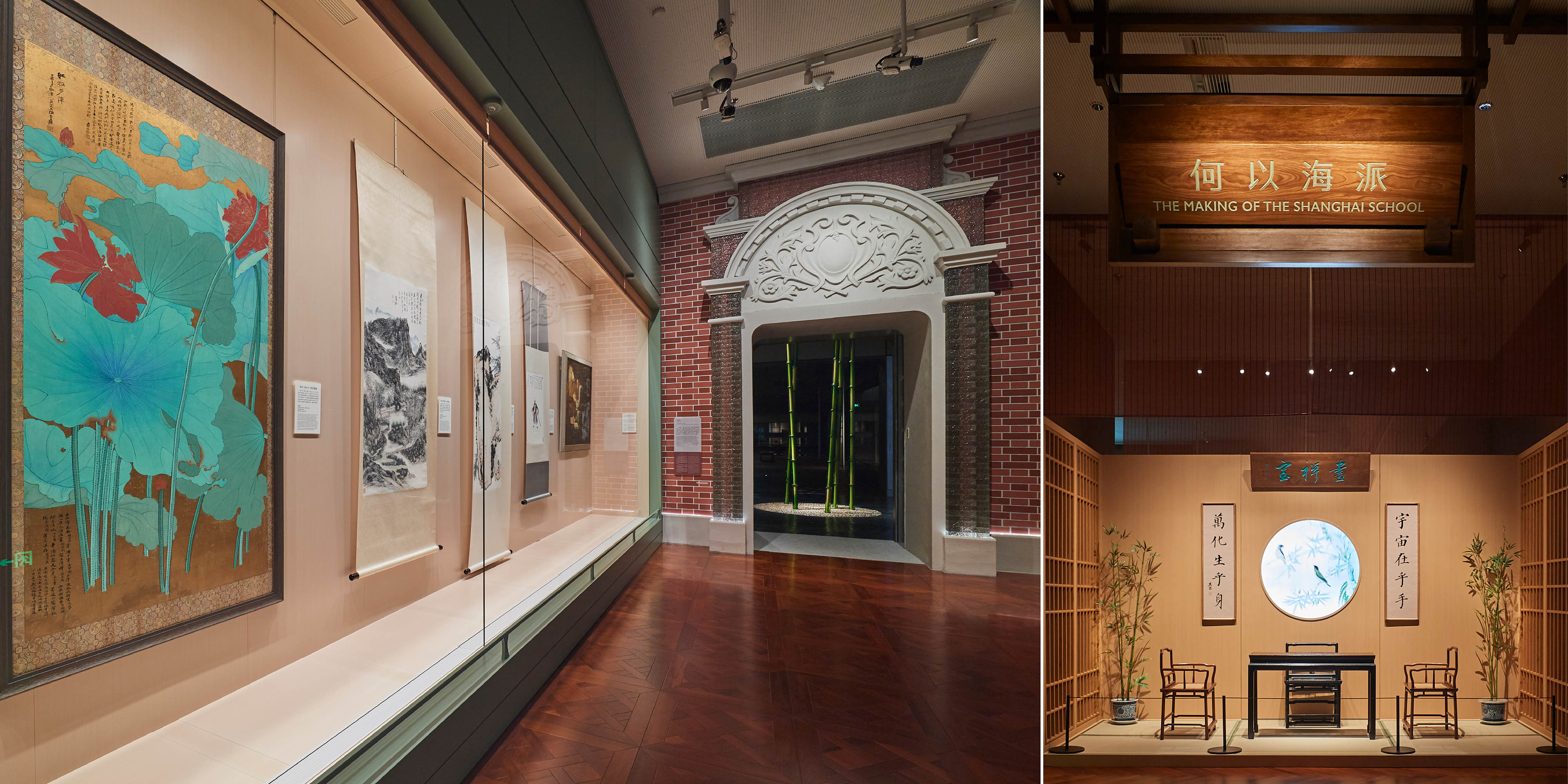
The design draws directly from the art itself—the rhythms of brushwork, the logic of composition, the interplay of density and openness. These classical ideas are translated into the spatial language. The curatorial framework weaves regional cultural history into the presentation. The thematic arrangement traces artistic evolution, turning the exhibition into cultural storytelling. The strategic use of negative space—fundamental to Chinese painting aesthetics—leaves room for quiet reflection. The curatorial structure positions each work within its historical context, inviting visitors to shift between close attention to individual pieces and a broader view of the historical currents that shaped them. The spatial sequence evokes both the experience of wandering through a classical garden and the contemplative calm of a scholar’s study, creating an atmosphere that echoes the character of the works themselves. No explicit signage is used; instead, visitors are guided by subtle modulations in spatial rhythm, light, and content hierarchy. The design stays in the background, letting the art command attention.
Materially, the project engages in a dialogue between the old and the new. Traditional elements—metal lattice eaves, glass bamboo, floating plaques, moon gates—are stripped back to their essentials, shedding decorative excess while keeping their recognizable characters. Lighting retains the warm, subdued quality of the original, fine-tuned to balance the needs of the works and viewing experience.
Through this immersive and culturally grounded curation, the exhibition serves as a bridge between past and present, translating the sensibilities of tradition into an experience that feels relevant today. It lets the art resonate within its own cultural context, using space to invite reflection and deepen engagement.
Credits

Entrant
Asian Kite Forum
Category
Conceptual Design - Exhibition & Events

Entrant
Creatives Data
Category
User Interface Design (UI) - Best Homepage
Entrant
RoarcRenew Architects
Category
Interior Design - Retails, Shops, Department Stores & Mall