
2026
Cats in the Forest
Entrant
Ohin Interior Design
Category
Interior Design - Residential
Client's Name
-
Country / Region
Taiwan
Gallery
About The Entry
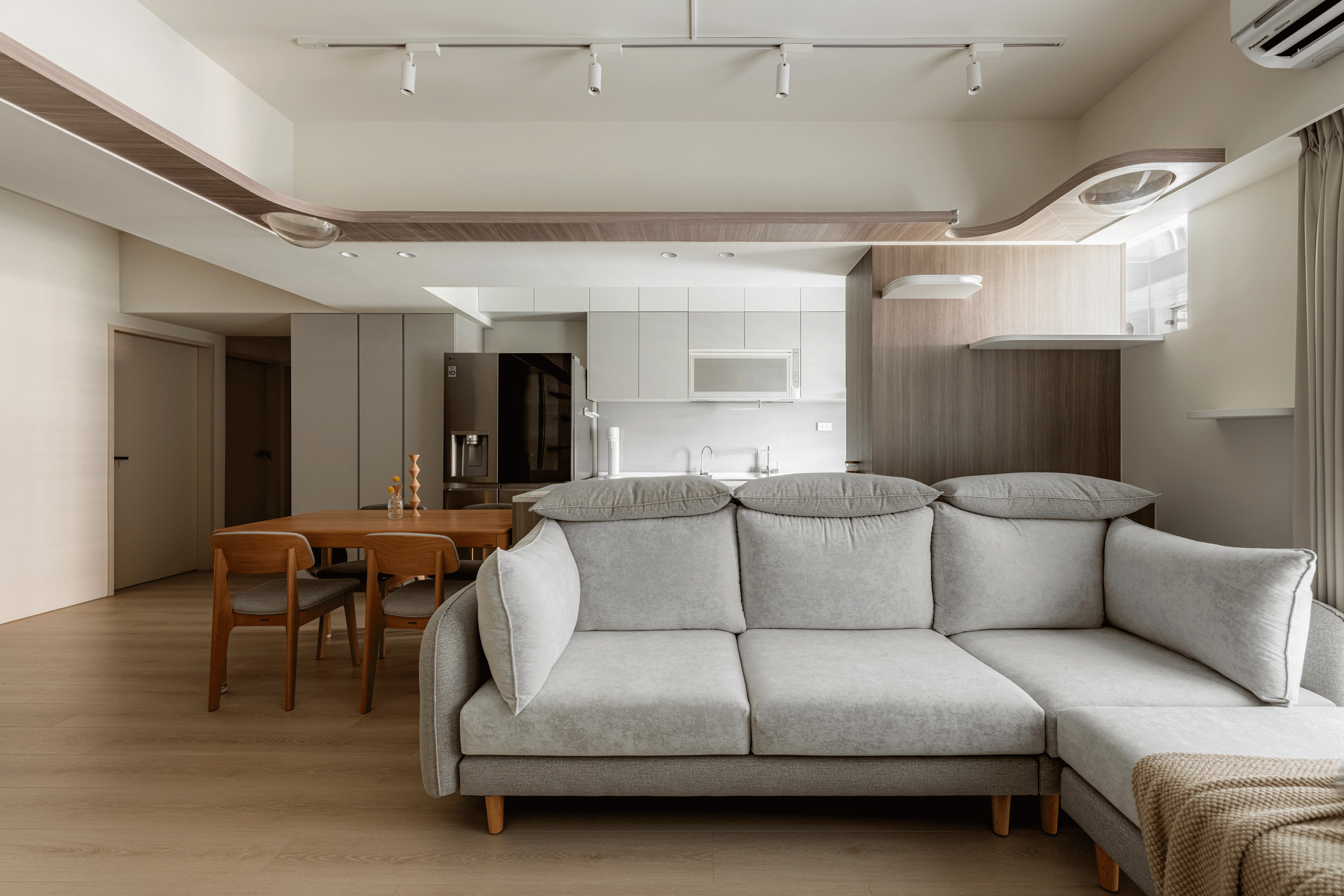
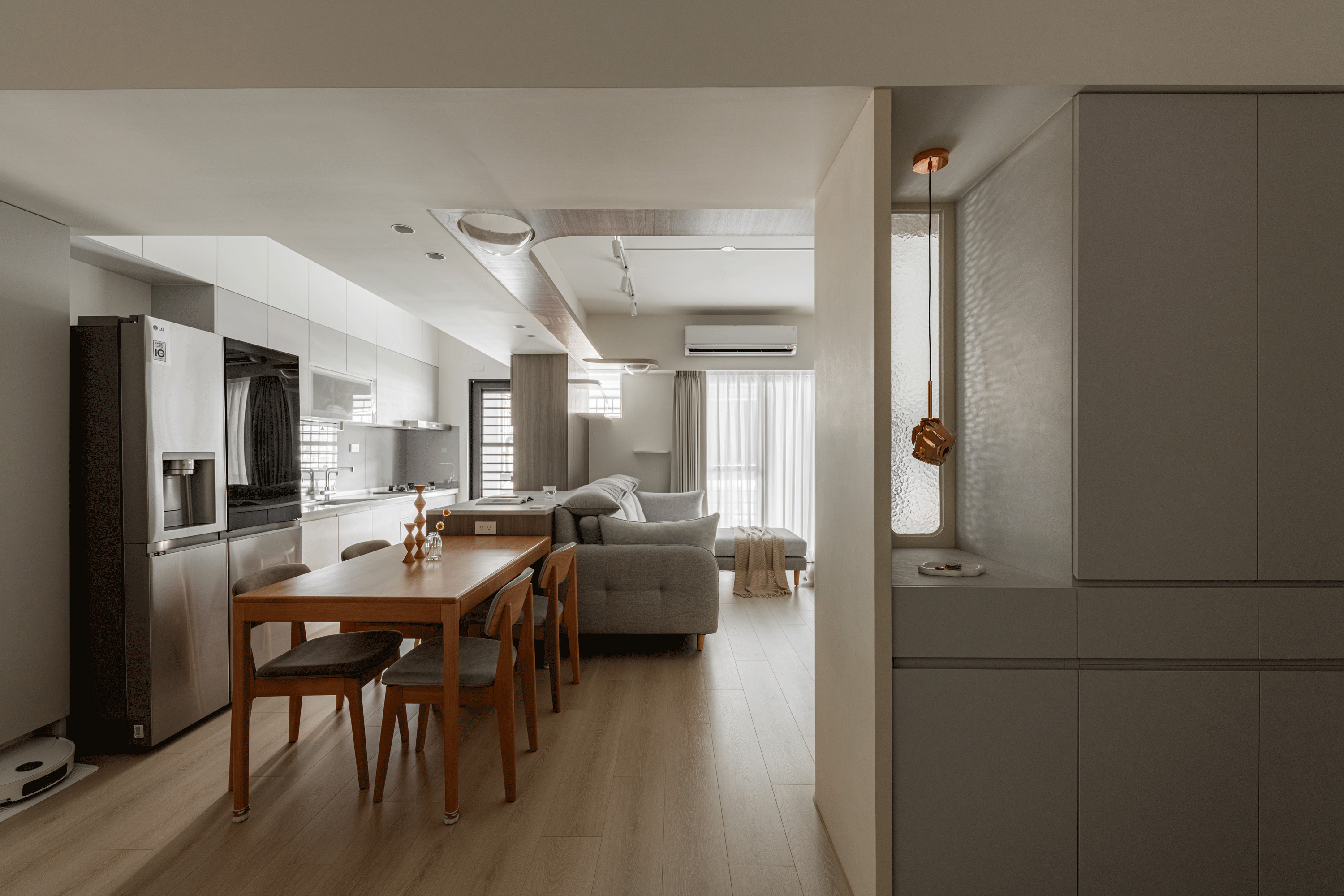
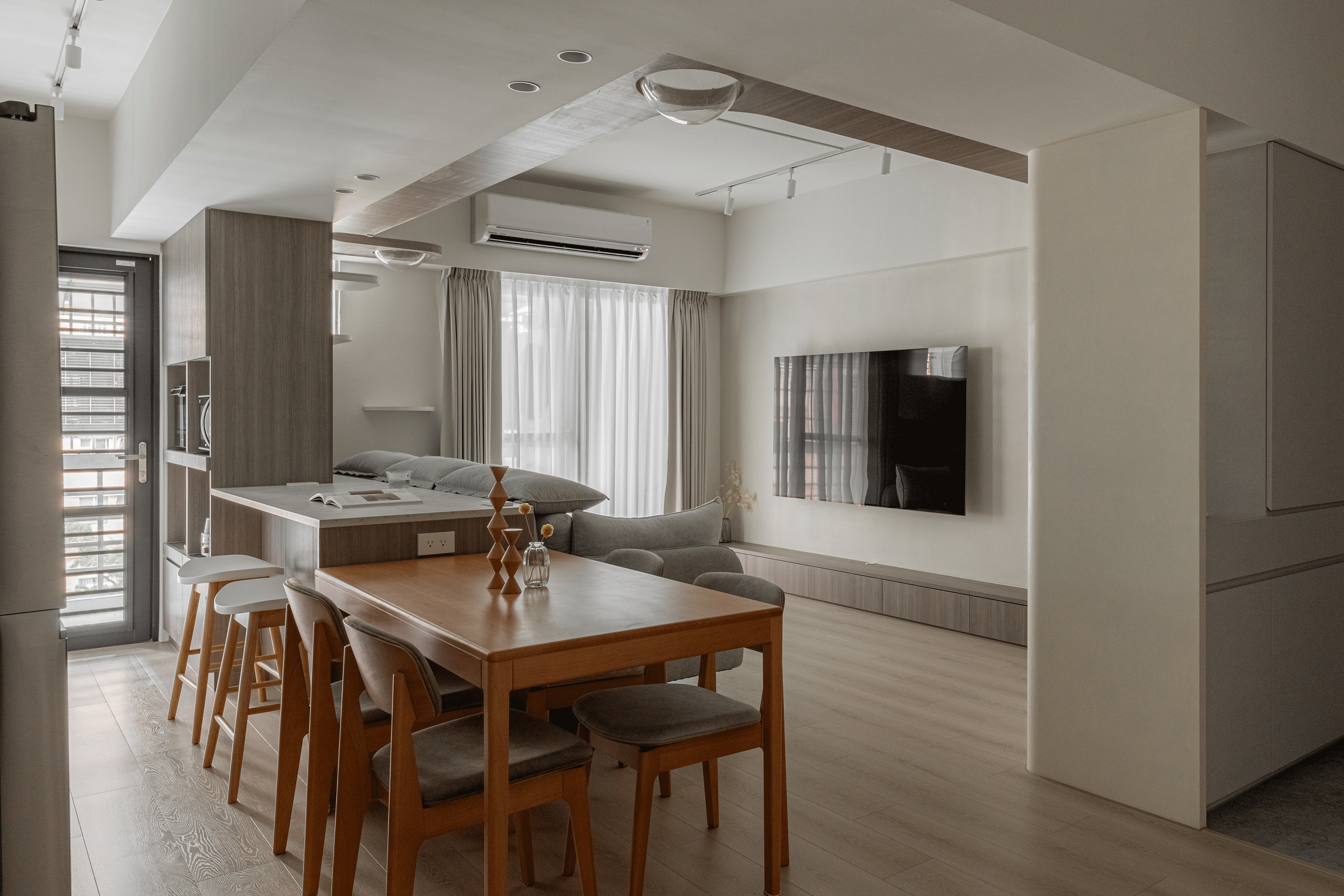
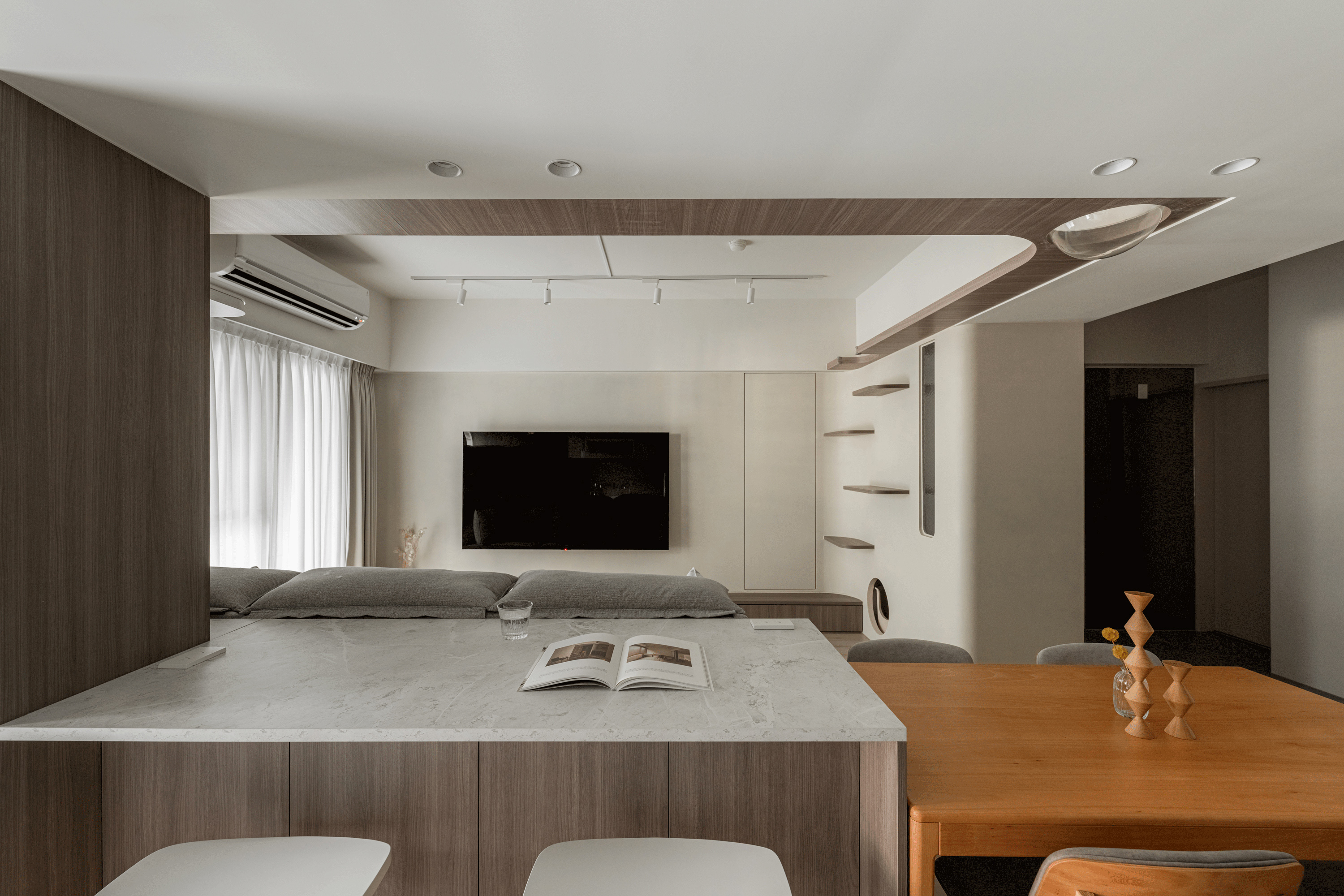
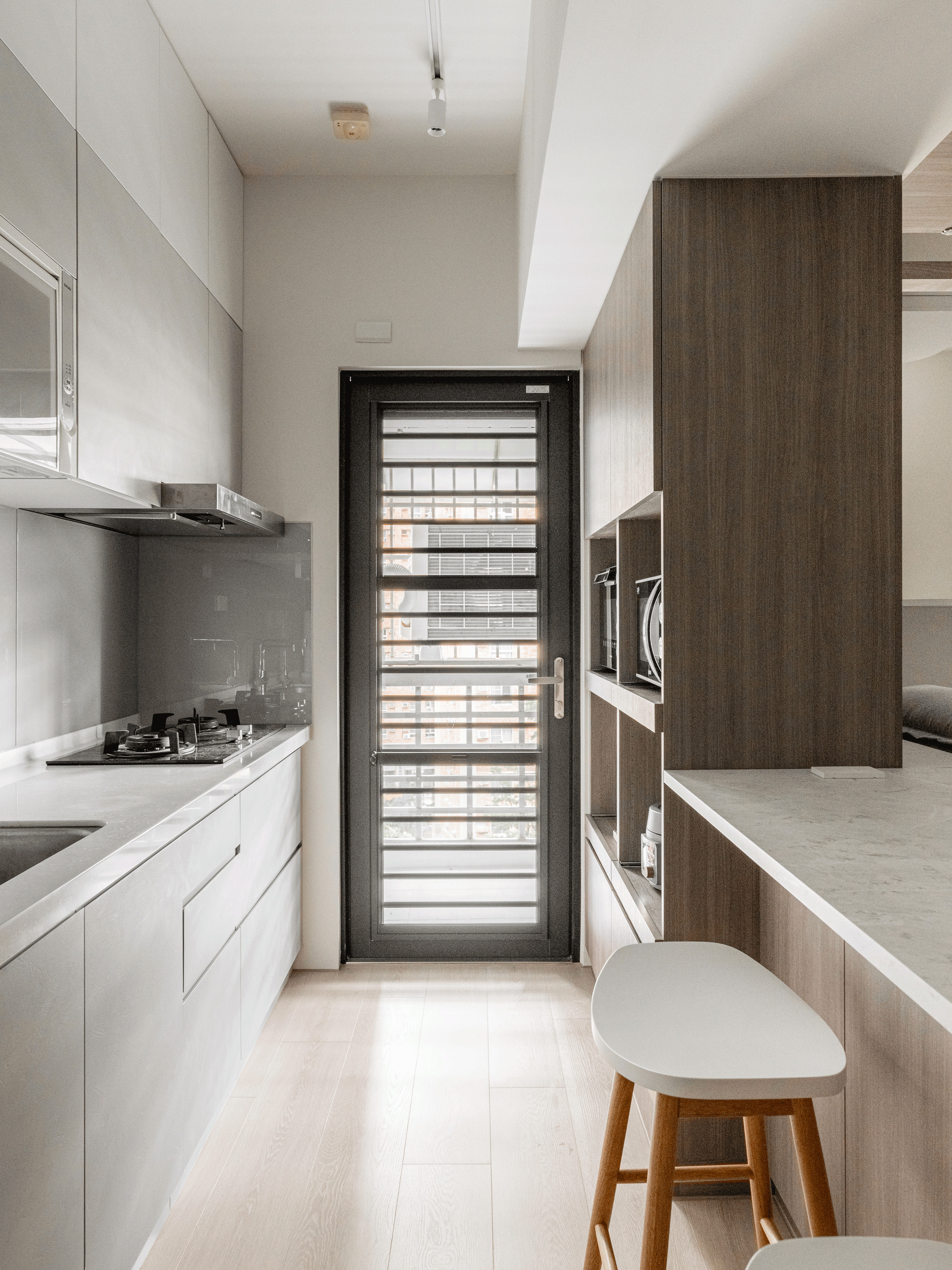
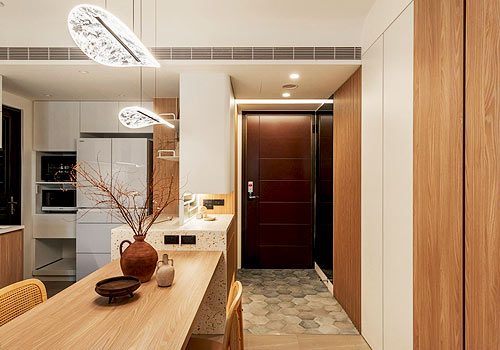
The first major highlight lies in a decisive reconfiguration of the original layout. The apartment was originally divided into four rooms, with the kitchen separated by existing partitions. This compressed the visual openness of the living and dining areas and limited the extension of natural light into the social area. By removing the wall between the kitchen and the living room, the living, dining, and kitchen areas were reorganized into a open-plan social area.
The appliance cabinet was integrated with the kitchen island, which now serves as an interface between cooking and social interaction. Whether cooking, preparing meals, dining, or hosting friends, the homeowners maintain a continuous visual connection with the living area, significantly enhancing interaction within the social area.
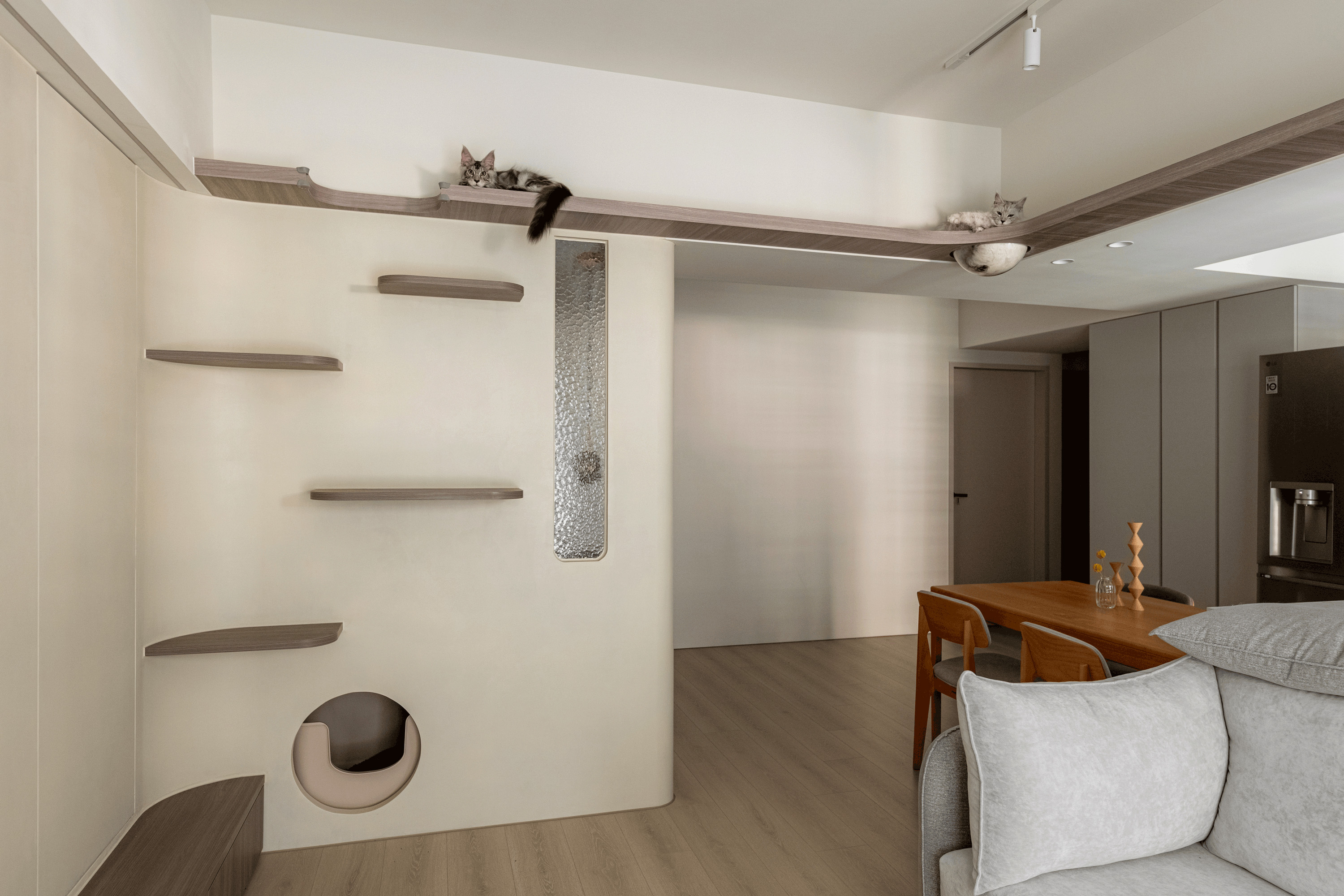
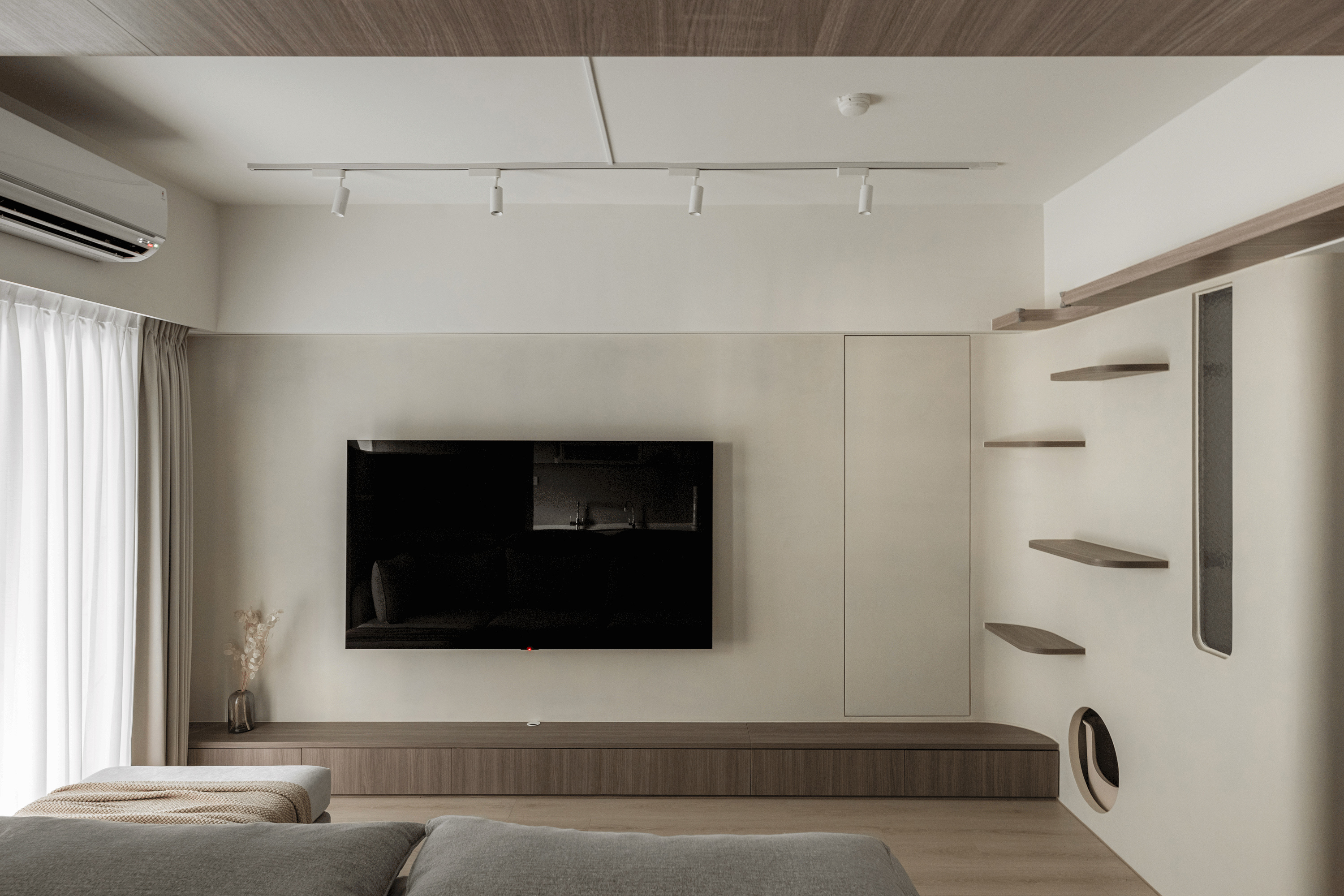
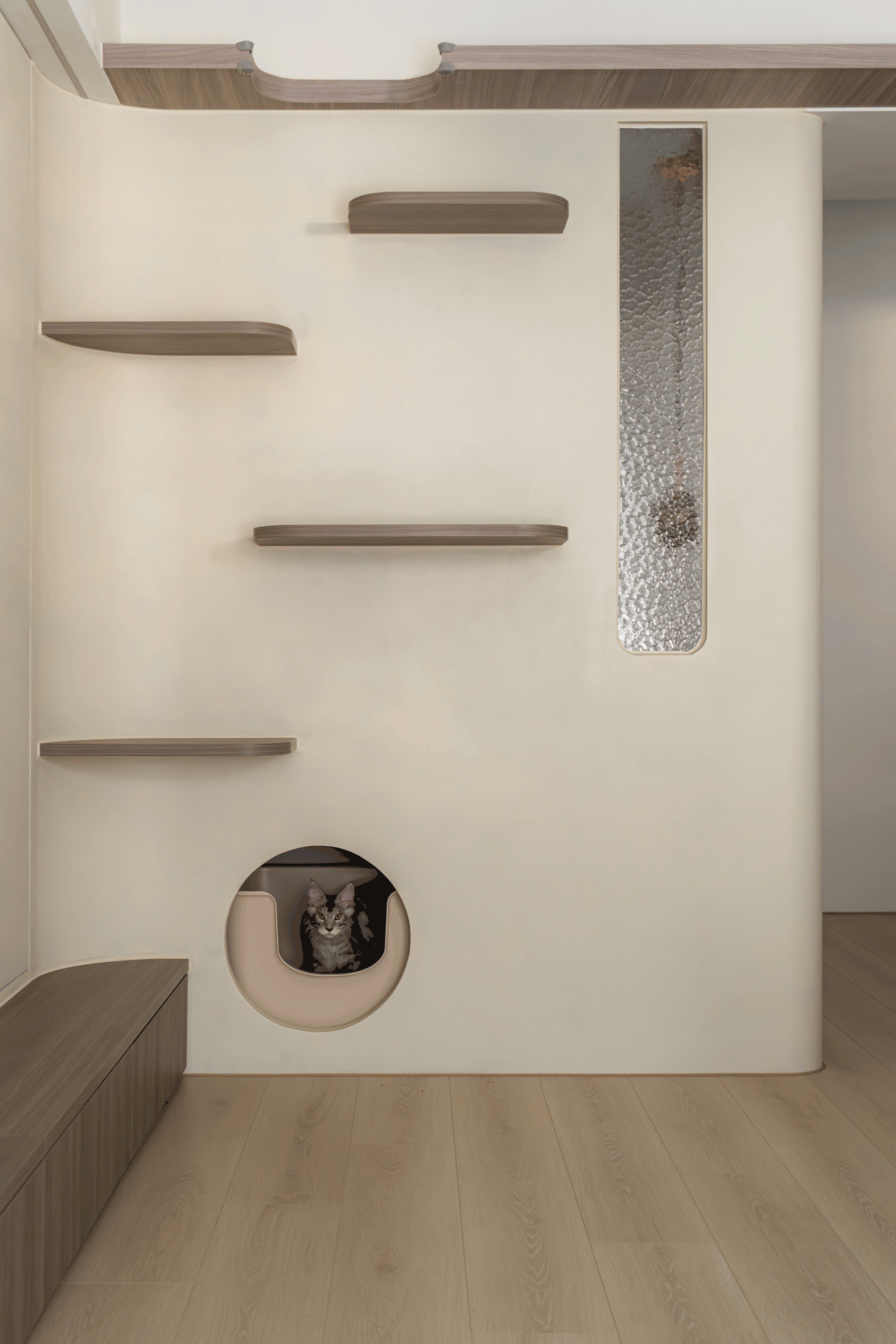
The second highlight is the reinterpretation of low beams as cat circulation routes. Cat walkways extend along the ceiling beams and are finished with large-radius curves, while vertical climbing paths are formed through staggered wall-mounted platforms. This approach both responds to the existing building conditions and rewrites the language of the old house into a shared landscape for cats and humans.
Additionally, the entryway integrates the litter box with the shoe cabinet, designed for maintenance access from three directions. This configuration keeps the litter area out of public view while allowing the homeowners to clean it directly from the entry side.
Entrant
The Solo Mining Co
Category
Product Design - Unexpected Design

Entrant
D.H. Creative Interior Design & Renovation Co., Ltd.
Category
Interior Design - Institutional / Educational